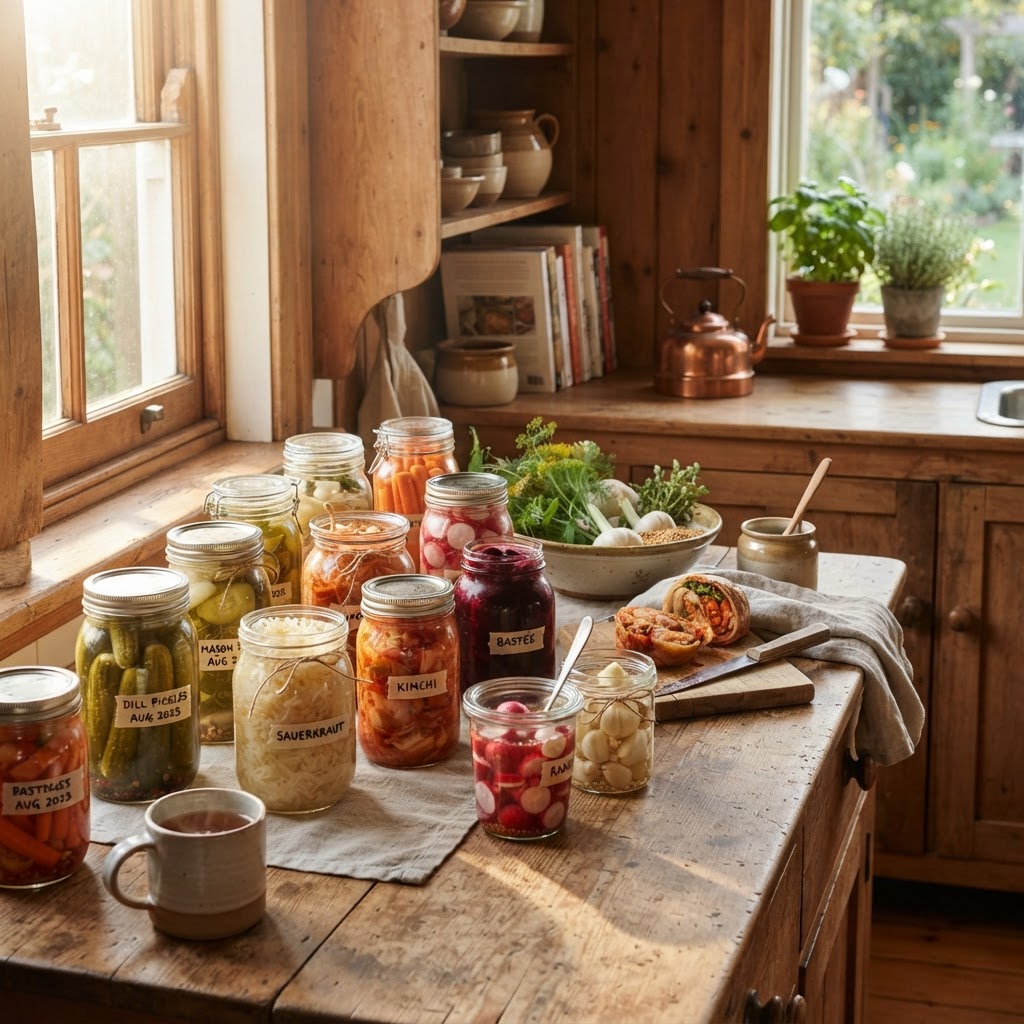
Tradition in the Kitchen: Why Canadians Are Returning to Fermented and Preserved Foods
In the fast-paced world of modern nutrition, where ingredient labels often read like chemistry experiments, a quiet revolution is taking place in Canadian kitchens. As we head into 2027, a significant shift is underway: consumers are turning their backs on ultra-processed convenience and rediscovering the wisdom of the past. This movement, identified by the Canadian Health Food Association (CHFA) as the 'Passed Down' trend, is all about reclaiming time-tested techniques like fermenting, pickling, and slow-simmering to bring authenticity and simplicity back to our plates.
For many Canadians, this isn't just a culinary fad; it is a return to roots. Whether it is the tang of homemade sauerkraut, the complexity of a long-simmered bone broth, or the crisp snap of a lacto-fermented pickle, these practices represent a deeper connection to our food sources. By moving away from complex, unrecognizable additives, we are finding that the best wellness solutions are often the ones our ancestors practiced for centuries.
Why the sudden surge in interest? The appeal lies in the intersection of simplicity and health. Modern science is finally catching up to what many cultures have long known: fermented foods are nutritional powerhouses. Researchers are currently exploring the potential of 'ferment-ceuticals'—compounds produced during the fermentation process that may support cardiometabolic health and overall well-being. While Health Canada continues to review the evidence, the enthusiasm from the public is undeniable. From kefir and kombucha to kimchi and sourdough, these staples are becoming essential components of the modern Canadian pantry.
Embracing the 'Passed Down' trend is easier than you might think, and it doesn't require a professional kitchen. Start small by incorporating one traditional element into your weekly routine. If you are new to fermentation, try making a simple batch of sauerkraut. It requires only two ingredients—cabbage and salt—and a bit of patience. The process of lacto-fermentation not only preserves the harvest but also enhances the digestibility of the vegetables, making them a perfect side for rich, hearty Canadian meals.
Beyond the health benefits, there is a profound sense of satisfaction in creating something from scratch. In an era of instant gratification, the slow, deliberate process of preserving food offers a meditative break from our digital lives. It is about slowing down, understanding the biology of our food, and ensuring that traditional knowledge is passed down to the next generation. As 62% of Canadians have expressed a desire to learn and share these cultural practices, we are seeing a collective effort to ensure that this culinary heritage endures.
If you are looking to support this movement, look for emerging Canadian brands that prioritize these traditional methods. Companies like those featured in the CHFA’s 'The Greenhouse' program—such as those producing artisanal bone broths or air-dried meats—are making it easier than ever to access high-quality, traditional foods without the need for a long ingredient list. By choosing these products, you are not just fueling your body; you are supporting a shift toward a more authentic, transparent food system.
Ultimately, the 'Passed Down' trend is a reminder that wellness is not a destination found in a lab, but a practice found in the kitchen. By returning to the techniques of our past, we are building a healthier, more connected future—one jar of pickles at a time.
Comments (0)
Sign in to leave a comment
No comments yet. Be the first to comment!