Yōshoku at Home: Bringing Japanese Comfort Food to Your Kitchen
A New Wave of Comfort
If you have spent any time exploring the vibrant food scenes in cities like Toronto, Vancouver, or Montreal, you have likely noticed a shift. Beyond the ubiquitous sushi rolls and steaming bowls of ramen, a new, cozy category of Japanese cuisine has been quietly taking over: Yōshoku. Pronounced "yo-sho-koo," this style of cooking refers to Western-influenced dishes that were adapted and perfected in Japan during the Meiji era. It is the ultimate comfort food—nostalgic, craveable, and surprisingly easy to master in your own kitchen.
For many Canadians, Yōshoku feels like a warm hug. It combines the technical precision of Japanese culinary traditions with the hearty, familiar flavors of Western classics. Think golden-brown breaded cutlets, velvety demi-glace sauces, and fluffy omelets draped over savory rice. As our collective palate continues to evolve, these dishes are moving from specialty restaurants into our homes. Whether you are looking to spice up your weeknight dinner rotation or impress guests with a unique culinary project, Yōshoku is the perfect place to start.
The Icons of Yōshoku
At the heart of the Yōshoku movement are three pillars: Tonkatsu, Omurice, and Japanese Curry. Tonkatsu is essentially the gold standard of breaded pork cutlets. Unlike a standard schnitzel, it uses Panko (Japanese breadcrumbs), which creates a signature, airy crunch that stays crispy even when drizzled with a tangy, Worcestershire-based sauce.
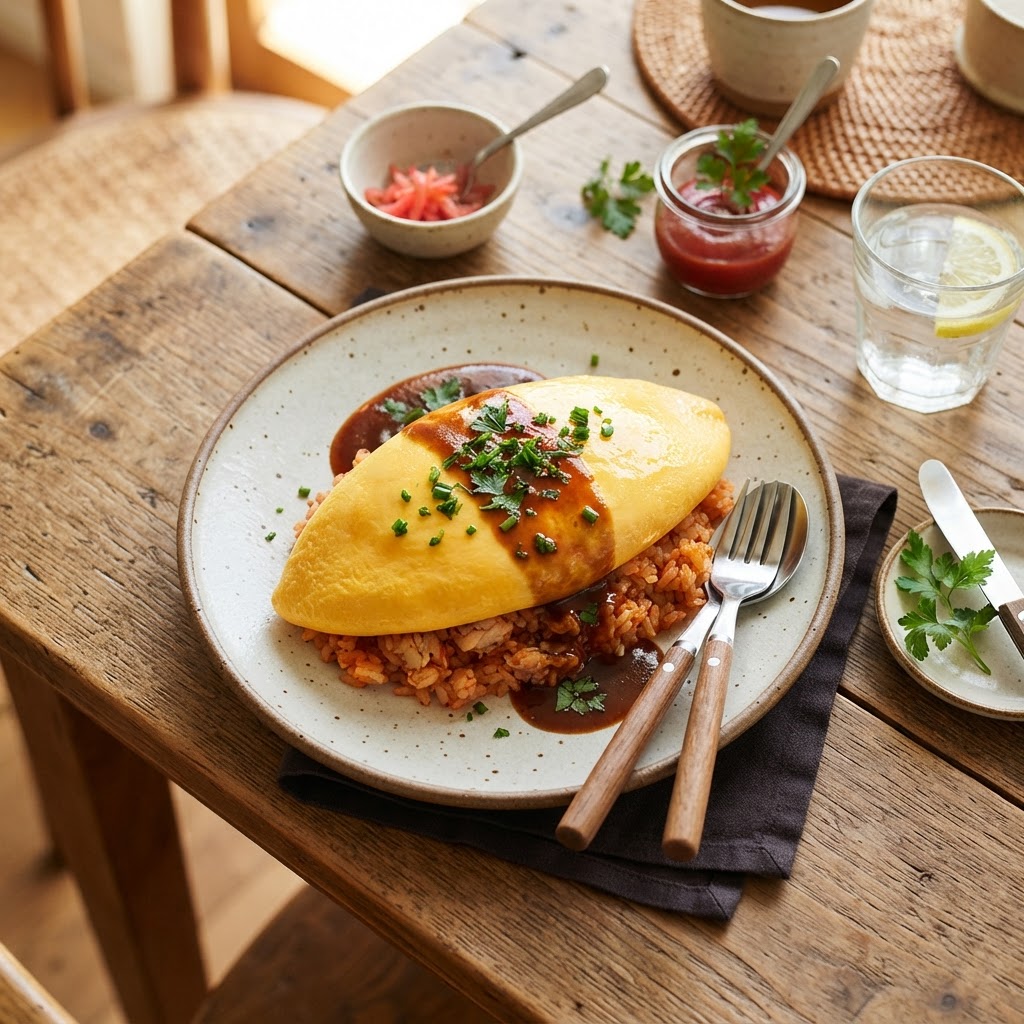
Then there is Omurice—the star of Japanese comfort food. It consists of fried rice (usually chicken and ketchup-based) wrapped in a delicate, soft-scrambled egg blanket. It is playful, colorful, and feels like a childhood memory you never actually had. Finally, Japanese curry, which is thicker, sweeter, and more savory than its Indian or Thai counterparts, has become a staple in Japanese households, often served over rice or even noodles.
Finding Yōshoku Staples in Canadian Aisles
You might be wondering: do I need to trek to a specialized Asian grocer to find these ingredients? The answer is a pleasant surprise—no. As Yōshoku grows in popularity across Canada, major grocery chains like Loblaws, Safeway, and even smaller independent grocers have expanded their international aisles significantly.
Look for Panko breadcrumbs in the baking or international aisle; they are now a standard item in almost every Canadian pantry. For Tonkatsu sauce, brands like Bull-Dog are frequently stocked in the "Asian Foods" section. If you cannot find a specific brand, a quick mix of ketchup, Worcestershire sauce, and a touch of oyster sauce makes a passable, delicious approximation.
For those mastering Japanese curry, the "curry roux" blocks (often found in boxes by brands like S&B or Vermont Curry) are a game-changer. These solid blocks of concentrated spices, flour, and fats are the secret to that perfectly thick, restaurant-quality sauce. Just add water, your choice of protein and vegetables, and simmer until it reaches the desired consistency. It is quite literally a one-pot meal that transforms the humble potato and carrot into something elevated.
Pro-Tips for the Canadian Home Chef
To truly bring the Yōshoku experience to your kitchen, quality of ingredients matters more than complexity of technique. For Tonkatsu, seek out high-quality Canadian pork loin. The fat content is crucial for keeping the meat moist while the Panko crust browns to perfection. When preparing your Omurice, use day-old rice; the lower moisture content allows the grains to fry and coat evenly with ketchup and aromatics without becoming mushy.
Don’t be afraid to experiment with local Canadian produce, either. Yōshoku is inherently adaptable. Incorporate seasonal mushrooms, locally grown onions, or even a side of roasted root vegetables to complement your dish. The goal of Yōshoku is not to be strictly traditional, but to be comforting and personal. If you want to add a dash of maple syrup to your curry to balance the heat, go for it—that is the very spirit of fusion cuisine.
Bringing People Together
Ultimately, Yōshoku is about the joy of eating. It is about taking the time to bread a cutlet, watching the egg settle over the rice, and sharing a meal that feels both international and incredibly accessible. In a country as diverse as Canada, where we are constantly blending cultures on our plates, Yōshoku fits right in. It is a reminder that comfort food has no borders, only flavors that bring us together. So next time you find yourself wandering the aisles of your local grocery store, skip the frozen pizza and pick up a box of curry roux or a bag of Panko. Your next favorite dinner is waiting.
Comments (0)
Sign in to leave a comment
No comments yet. Be the first to comment!