Beyond the Protein Shake: Navigating the 'Fiber-Maxxing' Trend in Canadian Grocery Aisles
For years, the Canadian grocery landscape has been dominated by the 'protein-first' mentality. From protein-fortified cereals to snack bars boasting double-digit gram counts, we have been conditioned to scan labels for that one magic number. But as we head into 2026, a new contender is vying for shelf space: fiber. Enter 'fiber-maxxing,' the latest social media-driven trend encouraging us to pack as much fiber as possible into our daily meals. While the intention—improving gut health—is commendable, it is time to look beyond the hype and understand how to navigate this trend with a balanced, Canadian-lifestyle approach.
What exactly is fiber-maxxing? At its core, it is a movement to increase dietary fiber intake, often to levels that far exceed the standard recommendations. While the trend has gained traction on platforms like TikTok, it is important to remember that it is not a medical term. Health Canada recommends approximately 25 grams of fiber per day for women and 38 grams for men. Yet, the average Canadian currently consumes only about 15 to 19 grams. There is a genuine nutritional gap here, but the solution isn't necessarily to 'maxx' out until you hit record-breaking numbers.
Why the sudden obsession? Fiber is a powerhouse nutrient. It is linked to improved blood glucose regulation, better lipid profiles, and, most notably, a healthier gut microbiome. However, the 'maxxing' mentality can lead to a common pitfall: the 'all-or-nothing' approach. When you suddenly jump from 15 grams to 50 or 70 grams of fiber overnight, your digestive system is likely to protest. The result? Bloating, gas, and abdominal discomfort that can turn a healthy habit into a miserable experience. As the saying goes, fiber is like a sponge—it needs water to work effectively. If you increase your intake, you must increase your hydration to match.
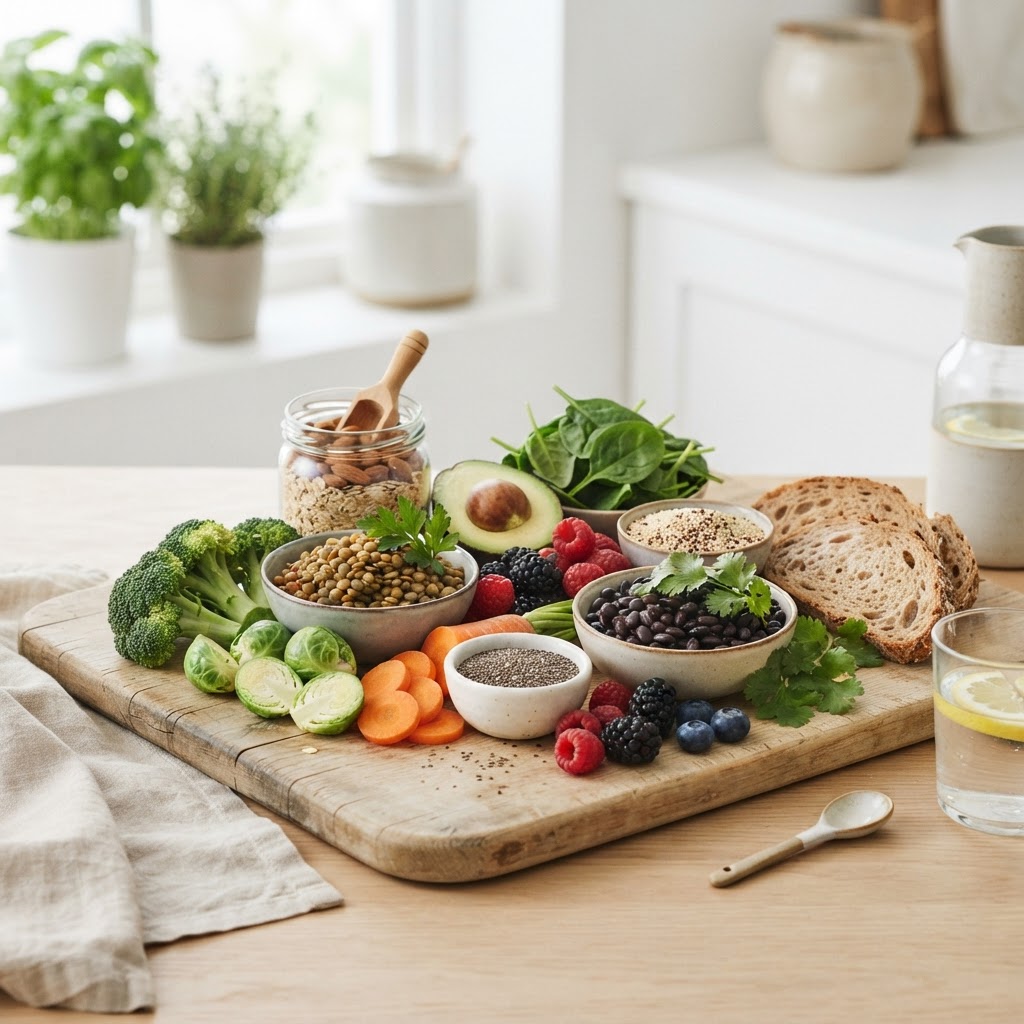
Instead of chasing the highest number on a package, focus on 'fiber-consciousness.' This means prioritizing the quality and variety of your sources. Fortified products, like tortillas boasting 17 grams of fiber, can be convenient, but they are not inherently superior to whole foods. Your gut thrives on diversity. A mix of soluble fiber (found in oats, beans, and chia) and insoluble fiber (found in whole grains and vegetables) provides the best support for your system. Rather than trying to cram all your fiber into one 'mega-meal,' aim to stagger your intake throughout the day. Add a handful of berries to your morning yogurt, toss some lentils into your pasta sauce, or swap your white bread for a hearty, whole-grain sourdough.
For the modern Canadian shopper, the grocery aisle can feel overwhelming. Retailers are increasingly using 'gut-friendly' shelf tags to help, but the best strategy remains a back-to-basics approach. Look for whole, unprocessed ingredients first. If you are looking to boost your intake, start small. Upgrade one carbohydrate at a time—perhaps choosing barley over white rice or keeping frozen fruit on hand for an easy, fiber-rich smoothie boost. These small, consistent changes are far more sustainable than a radical diet overhaul that you will likely abandon in a week.
Ultimately, fiber-maxxing is a reminder that our gut health is a vital pillar of our overall well-being, including the fascinating 'gut-brain axis.' But we don't need to turn nutrition into a competitive sport. By focusing on a diverse, plant-forward diet and listening to how your body responds, you can reap the benefits of fiber without the unnecessary stress of chasing extreme metrics. Let’s keep our wellness goals grounded in balance, variety, and, most importantly, what makes us feel our best.
Comments (0)
Sign in to leave a comment
No comments yet. Be the first to comment!