The Experience Economy: Why Canadians Are Prioritizing 'Doing' Over 'Buying'
In 2026, the Canadian retail landscape is undergoing a profound transformation. We have moved past the era of mindless consumption and into what experts are calling the 'Experience Economy' or the 'Vibe Economy.' Despite ongoing economic pressures, Canadians are not simply tightening their belts; they are fundamentally rewriting the psychology of their spending. Today, the value of a dollar is increasingly measured not by the material goods it acquires, but by the memories, connections, and emotional relief it provides. For entrepreneurs and brands, this shift represents both a challenge and a massive opportunity to redefine their relationship with the modern Canadian consumer.
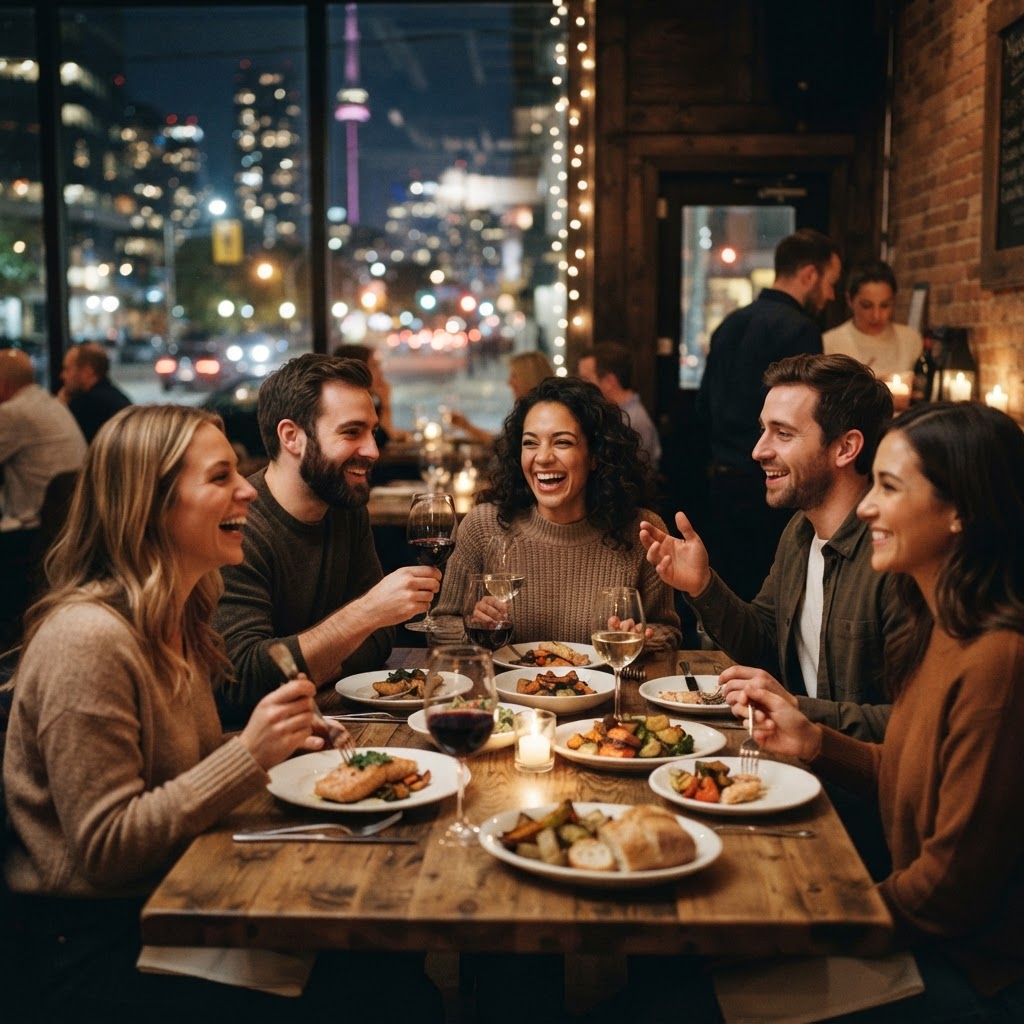
Recent data reveals that 91% of Canadians now make purchases based on how a product or service makes them feel. This is not just about retail therapy; it is a strategic pivot toward 'treatonomics.' Whether it is a boutique dining experience, a local workshop, or a weekend getaway, Canadians are prioritizing 'doing' over 'buying.' In fact, 74% of Canadians intend to maintain or increase their spending on experiences rather than material gifts, signaling that the desire for connection and belonging has become a primary driver of commerce.
One of the most significant shifts is the return of the physical store as a 'third space.' For years, the rise of e-commerce led many to predict the death of brick-and-mortar retail. Instead, we are seeing a resurgence of the store as a social hub. Nearly 58% of Canadians now visit physical stores without a specific purchase intent, seeking discovery, community, and a break from the digital grind. For business owners, this means the point of sale is no longer just a checkout counter—it is the final step in a social interaction. Retailers who successfully integrate mobile POS systems to allow for seamless, conversational checkouts are winning, as they avoid the 'friction' that can ruin a carefully curated customer experience.
This trend is particularly pronounced among Gen Z, who are using their spending power to affirm their identity and sense of belonging. While older generations have pulled back on spending due to economic uncertainty, Gen Z remains the most resilient cohort, directing their dollars toward items that offer comfort, stress relief, and nostalgia. Brands that tap into this—by offering unique, personalized products or creating spaces that feel like a community hub—are seeing higher engagement. The lesson here is clear: if you want to capture the modern Canadian shopper, you must offer more than just a product; you must offer a story.
For entrepreneurs, the key to thriving in this 'Endurance Economy' is to provide value that feels justified. Consumers are more pragmatic than ever, asking if a purchase is affordable, predictable, and worth the investment. This is where innovation in product delivery comes into play. Take, for example, the rise of 'restaurant-quality at home' solutions. By offering artisanal, chef-prepared meals that bridge the gap between a cheap grocery store item and an expensive night out, brands are providing an accessible experience that satisfies the consumer's need for quality without the high price tag of traditional dining.
To succeed in this new environment, brands must focus on three pillars: fairness, certainty, and connection. First, ensure your pricing is transparent; in an era of scrutiny, consumers are hyper-aware of value. Second, create predictability in your service—customers want to know that their experience will work exactly as expected. Finally, lean into the 'Buy Canadian' movement. With 54% of Canadians willing to pay more for domestic goods and 72% actively seeking alternatives to foreign products, supporting local supply chains is not just a patriotic choice—it is a powerful business strategy that resonates with the current consumer sentiment.
Ultimately, the shift toward the Experience Economy is a call for brands to be more human. Whether you are a local boutique, a restaurant, or a service provider, your goal should be to facilitate moments of joy and connection. By focusing on the 'vibe' of your brand and the emotional return on investment for your customers, you can build a loyal community that values your business as an essential part of their lifestyle, not just a place to spend money.
Comments (0)
Sign in to leave a comment
No comments yet. Be the first to comment!