Yōshoku at Home: Bringing Japanese Comfort Food to Your Canadian Kitchen
When we think of Japanese cuisine, our minds often drift to the delicate precision of sushi or the comforting warmth of a steaming bowl of ramen. However, there is an entire culinary genre in Japan that feels surprisingly familiar to the Canadian palate, yet carries a distinct, nostalgic charm: Yōshoku. Literally translating to 'Western food,' Yōshoku refers to Western-inspired dishes that were adapted and uniquely evolved in Japan during the Meiji era. These are the ultimate comfort foods—hearty, satisfying, and perfectly suited for a cozy night in during a Canadian winter.
At its core, Yōshoku is about localization. It is the art of taking Western staples like cutlets, omelets, and pasta, and reimagining them through a Japanese lens. While authentic Western dishes in Japan are often served in high-end specialty restaurants, Yōshoku is the food of the people. It is the meal you crave after a long day at work or a busy weekend, often served in casual 'family restaurants' or prepared with love in home kitchens. For Canadians, who are already masters of fusion and comfort food, Yōshoku is an incredibly accessible and exciting way to shake up your weekly meal rotation.
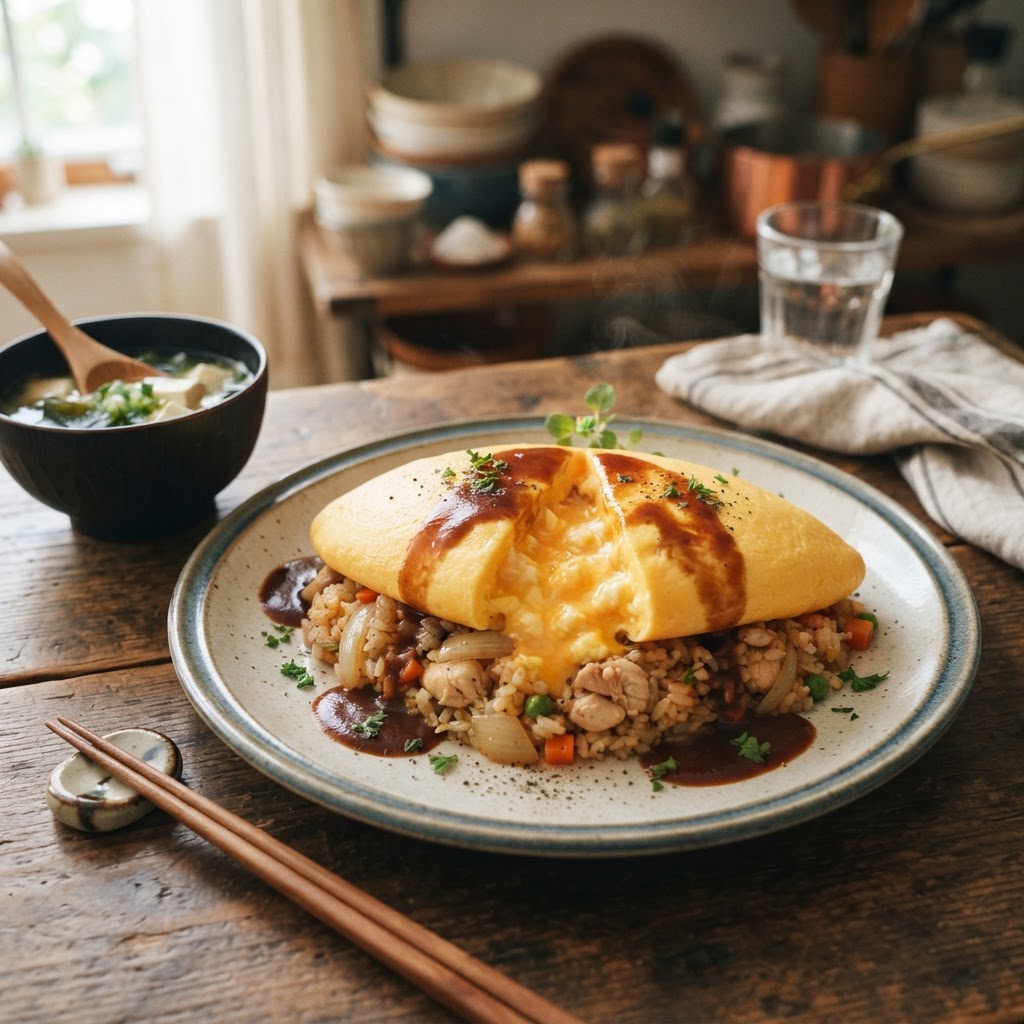
Perhaps the most iconic Yōshoku dish is Omurice—a playful, delicious combination of ketchup-seasoned fried rice wrapped in a soft, golden omelet. You may have seen the viral videos of chefs in Kyoto slicing open a perfectly runny omelet to reveal steaming rice underneath. While that professional technique takes practice, the home-style version is a staple for a reason: it is simple, nutritious, and uses pantry staples you likely already have. To make it at home, simply sauté chicken, onions, and peas, mix in cooked rice with a generous swirl of ketchup, and top it with a fluffy egg layer. It is a nostalgic, kid-friendly meal that brings a touch of Tokyo diner culture to your dining table.
Another pillar of the Yōshoku world is Tonkatsu, a breaded, deep-fried pork cutlet that rivals any schnitzel. The secret to the Japanese version is the use of panko breadcrumbs, which provide a lighter, crunchier texture than traditional breadcrumbs. In Canada, you can find high-quality panko in the international aisle of almost any major grocery store. Serve your katsu with a side of shredded cabbage and a drizzle of tangy tonkatsu sauce, and you have a restaurant-quality meal that feels both indulgent and balanced.
Bringing Yōshoku into your Canadian kitchen is easier than you might think. Most of the necessary ingredients—eggs, onions, chicken, pork, and pantry sauces like Worcestershire and ketchup—are already in your fridge. The magic lies in the preparation. Unlike traditional Japanese washoku, which emphasizes the natural flavor of ingredients, Yōshoku embraces bold, savory sauces and the satisfying texture of fried foods. It is a style of cooking that encourages creativity; don't be afraid to experiment with your own twists, perhaps by adding local Canadian mushrooms to your omurice or using local pork for your katsu.
Whether you are looking to impress guests with a fun, interactive dinner or simply want to elevate your weeknight routine, Yōshoku offers a bridge between cultures. It reminds us that comfort food is a universal language. By embracing these Japanese-adapted classics, you are not just cooking a meal; you are participating in a rich, evolving history of culinary exchange. So, grab your spatula, stock up on panko, and get ready to bring the cozy, vibrant flavors of a Japanese Yōshoku-ya into your own home.
Comments (0)
Sign in to leave a comment
No comments yet. Be the first to comment!