The Rise of Yōshoku: Why Japanese Comfort Food is Taking Over Canadian Kitchens
When we think of Japanese cuisine, our minds often drift to the delicate precision of sushi or the comforting warmth of ramen. But there is a hidden, deeply nostalgic side to Japan’s culinary landscape that is currently making waves in Canadian kitchens: Yōshoku. Literally translating to 'Western food,' Yōshoku is a unique genre of Japanese-adapted Western dishes that emerged during the Meiji era. It is the ultimate comfort food—familiar, hearty, and perfectly suited for the long, chilly Canadian winter.
What exactly is Yōshoku? It is the result of a century of culinary alchemy. When Japan opened its doors to the world in the late 19th century, local chefs began reimagining Western staples like omelettes, cutlets, and stews to suit the Japanese palate. The result wasn't just a copy; it was an evolution. By incorporating umami-rich ingredients like soy sauce, dashi, and demi-glace, these dishes became something entirely new. They are the meals that define 'home' for many in Japan, and they are now finding a passionate audience across Canada.
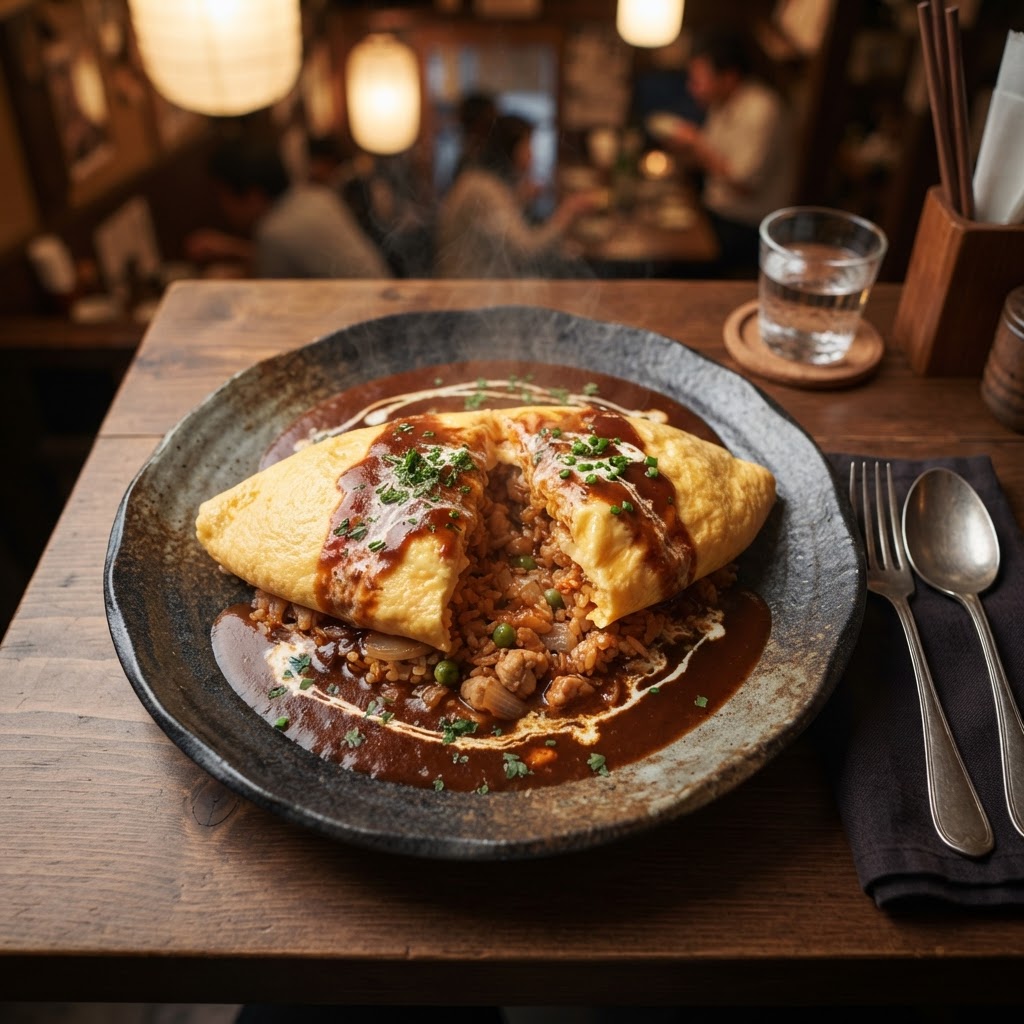
At the heart of the Yōshoku movement is the iconic Omurice. Imagine a perfectly fluffy, golden omelette draped over a mound of ketchup-seasoned chicken fried rice. It is a dish that balances the acidity of tomato with the savory depth of chicken and butter. For Canadians looking to elevate their weeknight dinners, Omurice is a masterclass in simple, high-impact cooking. It is approachable, kid-friendly, and uses pantry staples that you likely already have on hand.
Then there is Tonkatsu—the Japanese take on the breaded pork cutlet. Unlike the schnitzel you might find in Europe, Tonkatsu uses thick, juicy cuts of pork coated in airy panko breadcrumbs, deep-fried to a golden, shattering crisp. Served with a side of shredded cabbage and a thick, sweet-and-savory Worcestershire-based sauce, it is a textural delight that feels like a warm hug on a snowy evening. For the home cook, the secret lies in the panko; these larger, flakier crumbs are the key to achieving that signature Japanese crunch.
Perhaps the most surprising staple is Japanese Curry. While its roots trace back to British-introduced curry powder, the Japanese version is a thick, stew-like comfort dish often packed with carrots, potatoes, and onions. It is less about the heat and more about the deep, complex sweetness of the roux. In Canada, where we love a good hearty stew, Japanese curry is the perfect alternative to traditional beef stew. It is incredibly easy to make using store-bought curry roux blocks, which are now widely available in most major Canadian grocery chains and Asian markets.
Why is Yōshoku taking over now? Perhaps it is the universal appeal of 'nostalgia food.' In a fast-paced world, these dishes offer a sense of history and warmth. They are not 'fine dining' in the traditional sense; they are the food of family restaurants, school lunches, and cozy home kitchens. As Canadians continue to embrace global flavors, Yōshoku offers a bridge between the familiar Western ingredients we know and the refined, umami-forward techniques of Japanese cooking.
If you are looking to bring a taste of Yōshoku into your home this winter, start with the basics. Master the art of the fluffy omelette for your Omurice, or try your hand at a homemade Hamburg steak—a juicy, onion-packed patty served with a rich demi-glace. Whether you are dining out at a local Japanese bistro or experimenting in your own kitchen, Yōshoku is a culinary trend that is here to stay. It is time to embrace the comfort, the history, and the undeniable deliciousness of Japan’s best-kept secret.
Comments (0)
Sign in to leave a comment
No comments yet. Be the first to comment!