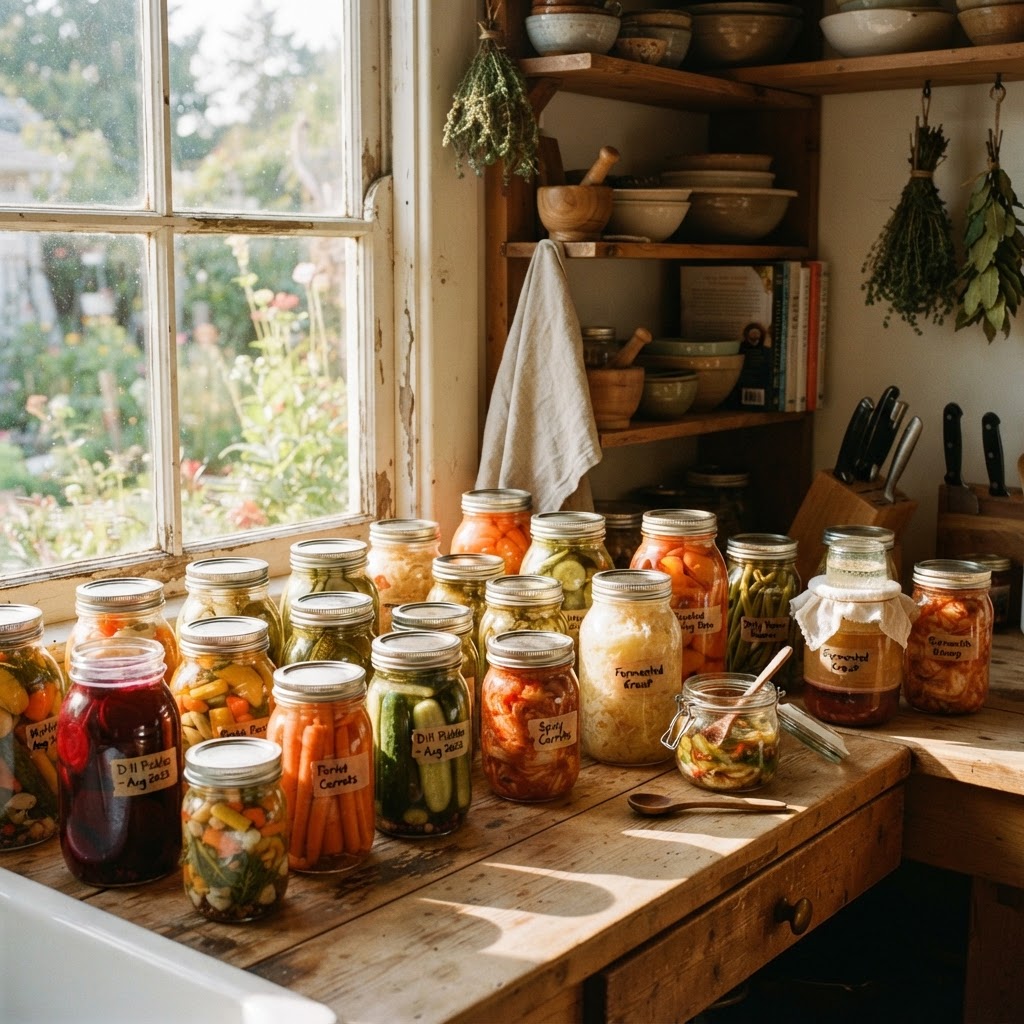
Passed Down: Why Traditional Food Preservation is Making a Comeback
In an era defined by rapid convenience and global supply chains, a quiet revolution is taking place in Canadian kitchens. From the bustling urban apartments of Toronto to rural homesteads in the Prairies, there is a renewed fascination with the age-old art of food preservation. Whether it is the rhythmic bubbling of a sourdough starter or the satisfying 'pop' of a sealed canning jar, Canadians are increasingly turning to pickling, fermenting, and drying to reconnect with their food roots and embrace a more sustainable lifestyle. This shift is not merely about nostalgia; it is a deliberate move toward authenticity, simplicity, and self-reliance.
Why the sudden resurgence? For many, the motivation is rooted in the desire to support local food systems. Canada’s growing season is famously short, and preserving the harvest is the most effective way to maintain a 'locavore' lifestyle throughout the long winter months. By capturing the peak freshness of summer produce, we reduce our reliance on imported goods and minimize food waste, turning a seasonal abundance into a year-round pantry of flavour.
Beyond the environmental benefits, there is a profound emotional connection to these practices. For many, preserving is a way to honour heritage. As we document family recipes—from traditional fermented kimchi to classic Quebecois salted herbs—we are not just saving food; we are preserving stories. This intergenerational exchange allows us to bridge the gap between the past and the present, ensuring that cultural culinary traditions do not fade away in a world of mass-produced, ultra-processed alternatives.
If you are looking to start your own preservation journey, the barrier to entry is lower than you might think. You do not need a massive cellar or specialized equipment to begin. Start small with simple, high-impact techniques:
1. Fermentation for Gut Health: Fermented foods like sauerkraut and kimchi are not only delicious but also packed with probiotics. The process is simple: salt, vegetables, and time. It is a natural way to enhance both the nutritional profile and the shelf life of your produce.
2. The Art of Pickling: Vinegar-based pickling is a fantastic entry point for beginners. Whether you are preserving garden-fresh cucumbers or quick-pickling red onions for your tacos, the process is quick, safe, and adds a bright, acidic punch to any meal.
3. Drying and Dehydrating: As one of the oldest preservation methods, drying is incredibly versatile. From dried herbs to fruit leathers, this method concentrates flavour and is perfect for those with limited storage space.
4. Smart Freezing: While often overlooked, freezing remains the most convenient way to preserve the harvest. Blanching vegetables before freezing helps maintain their colour, texture, and nutrient density, making them ready for soups and stews when the temperature drops.
As we look toward a more sustainable future, these traditional techniques offer a path forward that is both grounded and innovative. By integrating these practices into our modern lives, we are doing more than just stocking our pantries; we are reclaiming our relationship with the food we eat. We are choosing to slow down, to value the process, and to find joy in the simple, transformative power of a jar filled with care. Whether you are a seasoned pro or a curious beginner, there has never been a better time to start preserving your own piece of Canadian culinary history.
Comments (0)
Sign in to leave a comment
No comments yet. Be the first to comment!