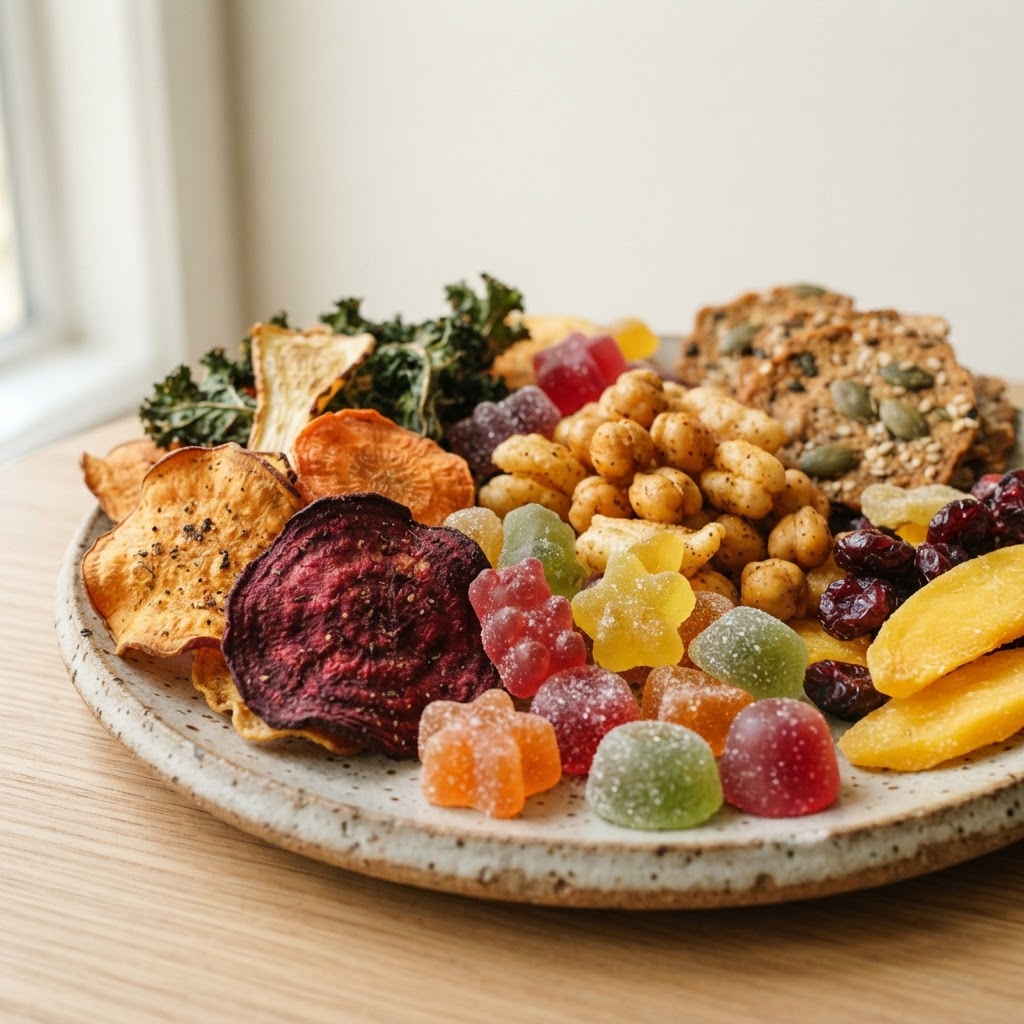
Texture Takeover: Why Sensory-Rich Snacks Are the Next Big Wellness Trend
If you have spent any time scrolling through social media lately, you have likely encountered the phenomenon of #CrunchTok—videos where the primary focus is the amplified, crisp sound of a bite. It is not just a viral trend; it is a fundamental shift in how we eat. For the modern Canadian consumer, the experience of snacking has moved far beyond simple flavour profiles. We are currently in the midst of a 'Texture Takeover,' where the way a snack feels in your mouth—the snap, the chew, the melt, or the crunch—is becoming the primary driver of satisfaction and repeat purchase. According to the Canadian Health Food Association (CHFA), this sensory-rich approach is one of the most significant wellness trends set to reshape our pantry shelves in 2027.
Why has texture suddenly stolen the spotlight from taste? In a world of digital overstimulation, consumers are seeking 'micro-rituals'—small, intentional moments of joy that break up the monotony of a busy day. When you bite into a snack that offers a complex textural contrast, such as a crispy shell with a soft, gooey center, you are forced to slow down and engage with the present moment. This multisensory engagement turns a mindless snack break into a grounding, sensory-rich experience. Research from Puratos’ Taste Tomorrow initiative reveals that a staggering 71% of consumers now say mouthfeel defines how much they enjoy a product, proving that texture is no longer a secondary attribute—it is a core pillar of food innovation.
For Canadians, the 'crunch' factor remains king. Whether it is locally sourced pulse-based snacks or high-protein bars, the auditory feedback of a loud, satisfying crunch provides an immediate emotional reward. However, the trend is evolving toward contrast. We are seeing a rise in 'transitory textures'—foods that change as you eat them, like mochi that starts stretchy and ends with a melt-in-the-mouth finish, or freeze-dried candies that offer a brittle exterior followed by a chewy core. This layering of textures creates a 'sensory theater' that keeps the palate engaged, making even smaller portion sizes feel more indulgent and satisfying.
This shift is also influencing how Canadian parents approach nutrition. With 35% of parents now prioritizing natural ingredients for their children, brands are responding by creating vegetable-based snacks that mimic the textures kids crave. Think crunchy green pea snacks or granola clusters that provide the same sensory satisfaction as traditional junk food but with a cleaner nutritional profile. By focusing on texture, these products make healthy habits feel more accessible and less like a compromise.
If you are looking to lean into this trend, start by paying attention to the 'mouthfeel' of your next grocery haul. Look for products that highlight contrast: a creamy yogurt topped with crunchy, gelled fruit spheres, or a protein bar that features a crisp wafer layer. As we move through 2027, expect to see more 'experiential' snacks on Canadian shelves—products designed not just to nourish, but to be seen, heard, and felt. In this new era of snacking, the most delicious bite is the one that surprises your senses.
Comments (0)
Sign in to leave a comment
No comments yet. Be the first to comment!