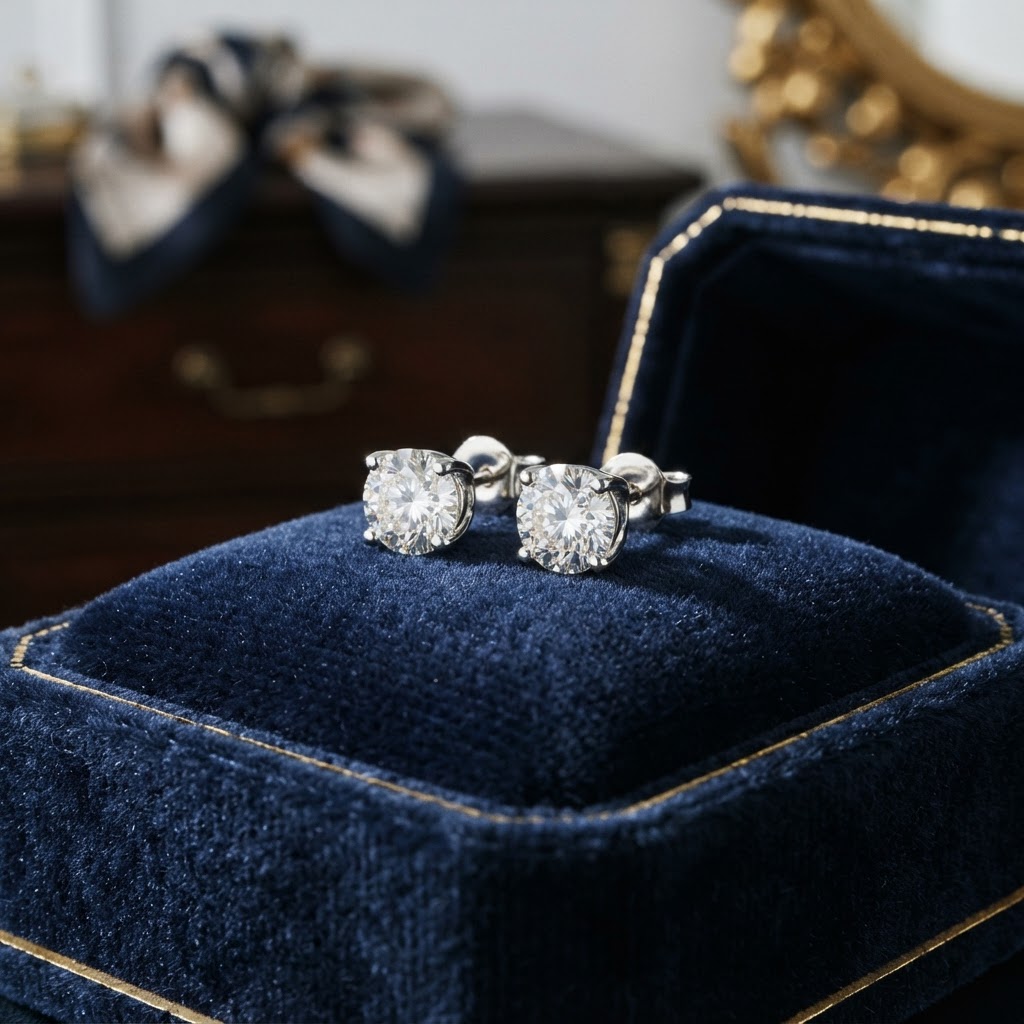
Lab-Grown Diamonds: The Sparkling Trend Changing Holiday Gifting
As the 2026 holiday season approaches, Canadian shoppers are witnessing a seismic shift in the jewelry industry. For decades, the diamond engagement ring and the classic holiday diamond gift were synonymous with mined stones. However, this year, lab-grown diamonds (LGDs) have officially moved from a niche alternative to a mainstream powerhouse, fundamentally changing how we approach luxury gifting. With global retail sales of lab-grown jewelry reaching an estimated $23.8 billion in 2025, it is clear that this is no longer a passing fad—it is the new standard for the modern consumer.
At the heart of this shift is a simple economic reality: lab-grown diamonds are chemically, physically, and optically identical to their mined counterparts. They are not imitations; they are real diamonds created in controlled environments. Because the production process is more efficient and lacks the massive overhead of traditional mining, the cost savings are significant. For the Canadian consumer, this means your holiday budget now stretches much further. Instead of compromising on size or quality, shoppers are increasingly opting for larger, higher-grade stones that were previously out of reach.
Data from 2026 reveals that couples and gift-givers are not necessarily using these savings to spend less. Instead, they are 'trading up.' Average carat weights have surged, with many buyers now comfortably selecting 2-carat stones as their new baseline. This trend is particularly visible in the bridal market, where lab-grown center stones now account for over half of all engagement ring sales by volume. This shift is driven by a desire for transparency, value, and the ability to personalize jewelry without the traditional price premiums associated with scarcity.
For those looking to make a smart purchase this holiday season, the business case for lab-grown diamonds is compelling. While natural diamonds continue to hold a specific appeal for those prioritizing rarity and heritage, the lab-grown market offers a rational, high-quality choice for the modern buyer. When shopping, look for stones with high clarity grades—such as VVS—which are now more accessible than ever. Furthermore, the rise of lab-grown diamonds has spurred innovation in design, allowing for more intricate, custom-made pieces that reflect individual style rather than mass-market trends.
However, as the market matures, it is important for consumers to be aware of the 'bifurcation' occurring in the industry. Retailers are increasingly positioning natural diamonds as luxury assets with long-term heirloom potential, while lab-grown diamonds are being celebrated as the ultimate choice for 'accessible luxury.' If you are buying for a loved one, consider the recipient's values. If they prioritize ethical transparency and maximizing the visual impact of their jewelry, a lab-grown piece is an exceptional choice. If they are a collector who values the traditional narrative of geological rarity, a natural stone may still be the preferred path.
As we look toward 2027, industry analysts expect lab-grown production to continue its rapid ascent, potentially surpassing natural diamond output by volume. For Canadians, this means the market will only become more diverse and competitive. This holiday season, don't be afraid to ask your jeweler about the origin of your stones. Whether you choose the story of the earth or the innovation of the lab, the most important factor remains the quality and the sentiment behind the gift. By understanding these market shifts, you can ensure your holiday sparkle is as smart as it is beautiful.
Comments (0)
Sign in to leave a comment
No comments yet. Be the first to comment!