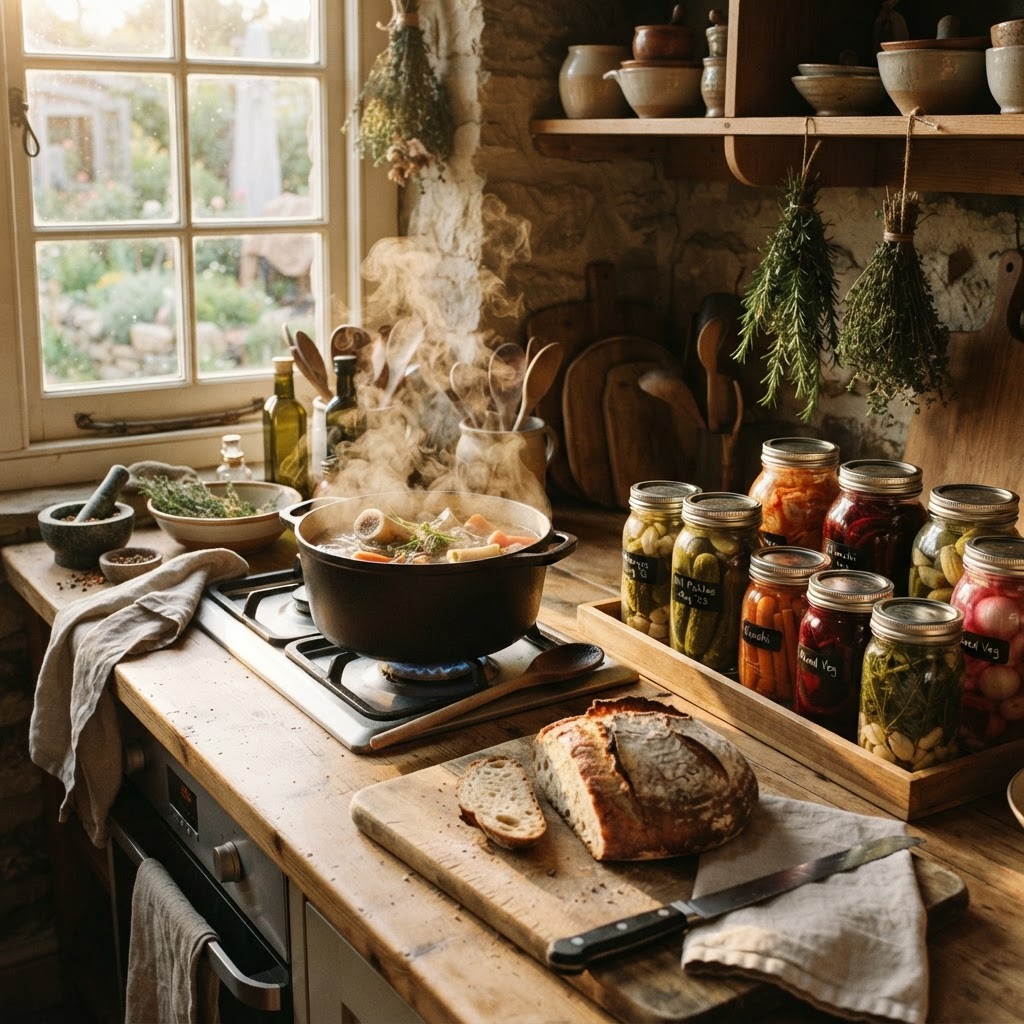
The Return of Tradition: Why We’re Craving Fermented and Preserved Foods
In an era defined by rapid technological advancement and ultra-processed convenience, a quiet revolution is taking place in Canadian kitchens. We are seeing a profound shift back to the basics, where the slow, deliberate art of pickling, fermenting, and simmering bone broths is reclaiming its place at the dinner table. This isn't just a fleeting trend; it is a return to authenticity, resilience, and a deeper connection to the food we consume. As we navigate a complex food landscape, these time-tested traditions offer a refreshing sense of clarity and trust.
Why are we suddenly so obsessed with the methods of our ancestors? The answer lies in a mix of cultural curiosity and a growing demand for 'clean labels.' Modern consumers are increasingly wary of complex, unpronounceable ingredients. Traditional preservation methods—relying on salt, time, and beneficial microbes—naturally align with the desire for simpler, more transparent food. When you open a jar of house-made sauerkraut or sip a cup of nutrient-dense bone broth, you aren't just eating; you are participating in a culinary heritage that prioritizes quality and longevity over mass-produced convenience.
Fermentation, in particular, has moved from the niche health-food aisle into the mainstream. Beyond the familiar staples of yogurt and cheese, Canadians are embracing a wider variety of fermented goods like kimchi, kefir, and sourdough. According to experts, this surge is driven by a growing awareness of the gut microbiome—the 'hidden organ' that influences everything from our immunity to our metabolism. While fermented dairy remains a Canadian favourite, there is a massive opportunity to diversify our intake with fermented vegetables and grains, which offer both complex flavour profiles and significant health benefits.
For the home cook, these traditions are surprisingly accessible. You don't need a professional kitchen to start your journey. Simple steps, such as pickling seasonal vegetables from your local farmers' market or simmering a batch of bone broth over the weekend, can transform your weekly meal prep. These practices not only reduce food waste by extending the shelf life of your ingredients but also add a depth of flavour that store-bought alternatives simply cannot replicate. It is about reclaiming agency over your diet and finding joy in the process of creation.
However, as we embrace these methods, it is important to bridge the knowledge gap. While many Canadians are eager to try new things, there is often lingering uncertainty regarding safety and the specific health benefits of various fermented products. This is where the rise of initiatives like the Canadian Fermented Foods Initiative becomes vital. By providing science-based guidance and fostering a community of experts, these organizations are helping to demystify the process, ensuring that our return to tradition is both safe and sustainable.
Ultimately, the return to traditional food preservation is about more than just nostalgia. It is a practical, delicious way to build a more resilient lifestyle. Whether you are a seasoned fermenter or a curious beginner, incorporating these ancient techniques into your routine is a powerful way to support your health, celebrate cultural storytelling, and enjoy the rich, vibrant flavours that only time and tradition can provide. So, grab a mason jar, clear some counter space, and start experimenting—your gut, and your taste buds, will thank you.
Comments (0)
Sign in to leave a comment
No comments yet. Be the first to comment!