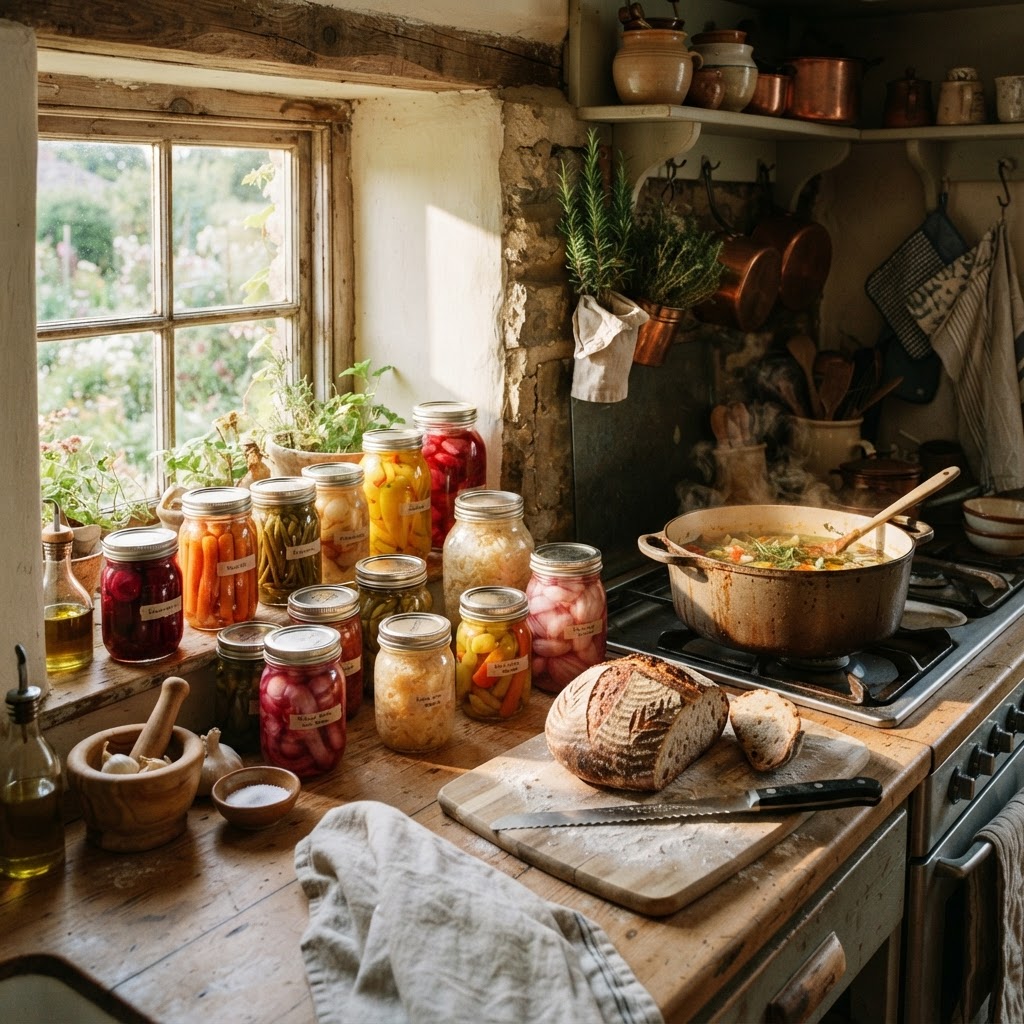
The Return of Tradition: Why We’re Turning to Fermented and Preserved Foods
In an era defined by rapid technological advancement and the convenience of ultra-processed meals, a quiet revolution is taking place in Canadian kitchens. We are witnessing a profound shift back to the basics, where the time-tested traditions of pickling, fermenting, and slow-simmering are reclaiming their place at the dinner table. This isn't just a fleeting trend; it is a conscious return to simplicity, authenticity, and a deeper connection to the food we consume. The modern Canadian consumer is increasingly seeking out products that tell a story. Whether it is a jar of locally sourced sauerkraut or a bottle of artisanal kefir, these foods offer more than just sustenance—they provide a sensory link to heritage and a tangible way to support sustainable food practices. As we navigate a world of complex labels and functional health claims, the simplicity of a few raw ingredients transformed by time and salt feels remarkably refreshing. Why the sudden surge in interest? For many, it is a mix of cultural curiosity and a desire for cleaner labels. Traditional preservation methods rely on fewer ingredients and transparent processes, making them a natural fit for those looking to avoid artificial additives. Furthermore, the rise of the 'retro food' movement is being driven by younger generations who are eager to master skills that were once considered domestic staples. According to recent research, while home fermentation remains a niche activity, interest is growing rapidly among younger, educated demographics who view these practices as both a culinary hobby and a wellness investment. Beyond the nostalgia, there is a compelling health narrative. Fermented foods are gaining recognition for their potential to support gut health, improve digestibility, and even enhance the nutritional profile of our meals. While dairy-based staples like cheese and yogurt have long been Canadian favorites, there is a burgeoning appetite for diverse fermented vegetables and grains. Experts are even advocating for these foods to be more explicitly recognized in national dietary guidelines, highlighting their role in a balanced, health-conscious lifestyle. If you are looking to incorporate these traditions into your own routine, you don't need a professional kitchen. Fermentation is one of the most accessible preservation methods available. At its core, it requires only the right ratio of salt to vegetables to create an environment where beneficial bacteria can thrive. For beginners, starting with simple vegetable ferments—like carrots or cabbage—is a perfect entry point. Remember, the key is to use the right salt; avoid table salts with anti-caking agents, which can inhibit the fermentation process. Ultimately, the return to tradition is about reclaiming control over our food systems. By embracing these ancient techniques, we reduce food waste, support local producers, and bring a new depth of flavor to our daily meals. Whether you are picking up a bottle of coconut kefir from your local health food store or experimenting with your first batch of homemade pickles, you are participating in a global movement that values quality, resilience, and the simple joy of a well-made meal. As we look toward the future of food in Canada, it is clear that the best way forward is to look back at the wisdom of the past.
Comments (0)
Sign in to leave a comment
No comments yet. Be the first to comment!