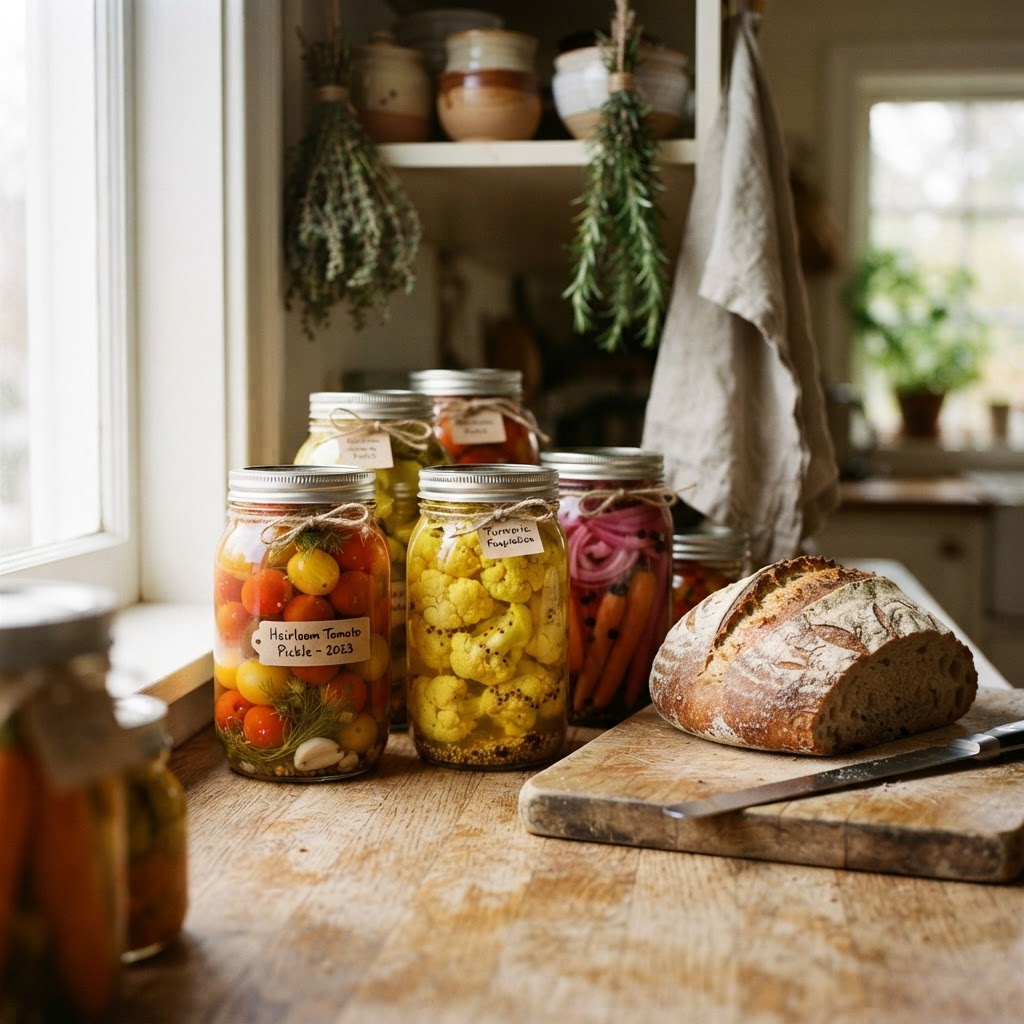
Back to Basics: Why Fermented and Preserved Foods are Taking Over Canadian Kitchens
In the fast-paced world of modern Canadian living, our kitchens are undergoing a quiet, bubbling revolution. While we have long relied on the convenience of processed snacks and supermarket staples, a growing number of Canadians are looking backward to move forward. Traditional food preparation techniques—specifically fermentation and natural preservation—are making a massive comeback, transforming from niche culinary hobbies into mainstream wellness essentials. Whether it is the tangy crunch of a naturally fermented pickle or the complex depth of a homemade kombucha, these time-tested methods are proving that the best way to fuel our bodies is often the oldest way. At its core, fermentation is a natural process where microbes like yeast and bacteria transform carbohydrates into acids, gases, or alcohol. Long before the invention of the refrigerator, this was our primary method of preservation. Today, however, the motivation has shifted from mere survival to optimal health. Research indicates that fermented foods are rich in live beneficial bacteria, which play a crucial role in nurturing the gut microbiome—a complex ecosystem often described as a 'hidden organ' that influences everything from digestion to our immune response. The Canadian landscape is shifting rapidly to accommodate this interest. According to recent data, the Canadian fermented food market is projected to reach nearly $1 billion by 2030. This growth is being driven by a diverse group of early adopters, particularly younger adults and those seeking minimally processed, sustainable food options. Organizations like the Canadian Fermented Foods Initiative (CFFI) are now working to bridge the gap between ancient tradition and modern science, aiming to integrate these foods into daily diets and even national nutrition guidelines. For the home cook, the barrier to entry is lower than you might think. You do not need a professional lab to get started; you simply need salt, vegetables, and a bit of patience. Sauerkraut, for instance, is one of the most accessible entry points. By simply shredding cabbage and massaging it with sea salt, you create an environment where beneficial bacteria can thrive. Over a few weeks at room temperature, the cabbage transforms into a probiotic powerhouse. It is a simple, cost-effective way to add a punch of flavour and nutrition to your meals without the additives found in many store-bought alternatives. Beyond the health benefits, there is a profound sense of connection in these practices. As Canada continues to grow as a multicultural hub, our kitchens are becoming melting pots of global fermentation traditions. From the deli-culture staples of Quebec to the vibrant, spice-forward kimchi traditions brought by new Canadians, these foods are helping us preserve cultural heritage while improving our food literacy. As we look toward the future of Canadian nutrition, it is clear that the most innovative path forward is one that respects the wisdom of the past. By embracing fermentation, we are not just making better food choices; we are reclaiming a piece of our culinary history, one jar at a time.
Comments (0)
Sign in to leave a comment
No comments yet. Be the first to comment!