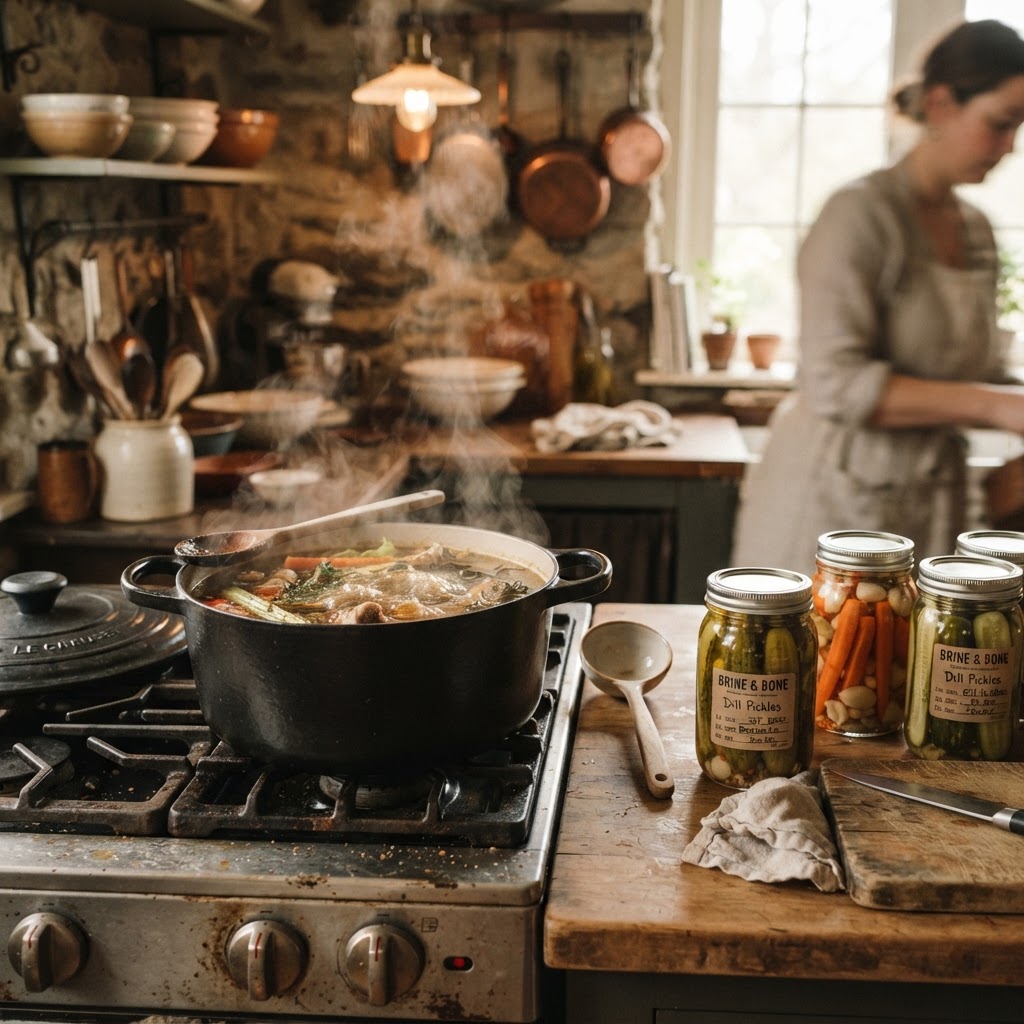
Elevated Comfort: Why Canadians Are Returning to Time-Tested Culinary Traditions
In the fast-paced rhythm of modern Canadian life, the kitchen has often become a place of convenience rather than creation. Between the demands of work, school runs, and the rising cost of living, it is easy to see why ultra-processed, ready-to-eat meals have dominated our grocery carts. However, a significant shift is underway. Across the country, Canadians are rediscovering the profound satisfaction of 'passed down' culinary traditions—embracing the slow, deliberate processes of fermenting, pickling, and long-simmering as a direct response to the industrialization of our diets. This movement is not just about nostalgia; it is a conscious choice to prioritize gut health, reduce food waste, and reconnect with the ingredients that sustain us.
The Return to 'Real' Food
As grocery prices remain a top concern, 91% of Canadians now identify cooking from scratch as a primary strategy to save money. But this shift goes beyond mere economics. There is a growing appetite for 'real' food—minimally processed ingredients that offer both nutritional density and a deeper connection to the earth. Whether it is the earthy complexity of a slow-simmered bone broth or the sharp, probiotic tang of homemade sauerkraut, these techniques transform humble, affordable staples into sophisticated culinary experiences. By returning to these roots, we are finding that the most elevated comfort often requires little more than time and patience.
Fermentation and Pickling: The New Kitchen Essentials
Once considered niche, fermentation and pickling have moved from the back of the pantry to the forefront of the Canadian culinary scene. These ancient preservation methods are being celebrated for their ability to enhance flavour profiles while promoting gut health. Fermenting, which introduces beneficial microcultures to food, is becoming a staple skill for the modern home cook. From kimchi and miso to simple fermented-rhubarb grenadine, these processes allow us to preserve local, seasonal produce for use throughout the long Canadian winter. Pickling, too, has seen a resurgence, offering a way to add acidity and brightness to dishes, effectively cutting through the richness of traditional comfort foods.
Actionable Insights for the Modern Canadian Kitchen
If you are looking to integrate these traditions into your routine, start small. You do not need a professional kitchen to begin.
1. Master the 'Set-and-Forget' Method: Leverage your slow cooker or Instant Pot to create long-simmered stews or stocks. This mimics the traditional slow-cooking techniques of our ancestors while fitting into a busy schedule.
2. Embrace Seasonal Preservation: When local produce is at its peak, try a simple quick-pickle. A basic brine of vinegar, salt, and water can transform cucumbers, carrots, or onions into a vibrant side dish in just a few hours.
3. Start a Fermentation Project: Begin with something accessible like sauerkraut or a ginger bug for homemade sodas. These projects require minimal equipment and offer a rewarding, hands-on way to understand the science of food.
4. Reduce Waste: Use all parts of your ingredients. Vegetable scraps can be saved for stocks, and overripe fruit can be transformed into jams or fermented syrups, ensuring that your kitchen remains both sustainable and resourceful.
A Cultural Melting Pot of Comfort
Canada’s diverse population continues to shape our definition of comfort. As we blend global influences—from the five-spice of Chinese cuisine to the aromatic heat of Indian curries—with our own traditional techniques, we are creating a unique, hybrid culinary identity. This 'new nostalgia' is about honouring where we come from while embracing the adventurous, global flavours that define modern Canada. By slowing down and engaging with the process of cooking, we are not just feeding our bodies; we are nourishing our connection to community, culture, and the land. In a world of instant gratification, the act of simmering a pot or waiting for a jar of pickles to ferment is a radical, delicious, and deeply comforting rebellion.
Comments (0)
Sign in to leave a comment
No comments yet. Be the first to comment!