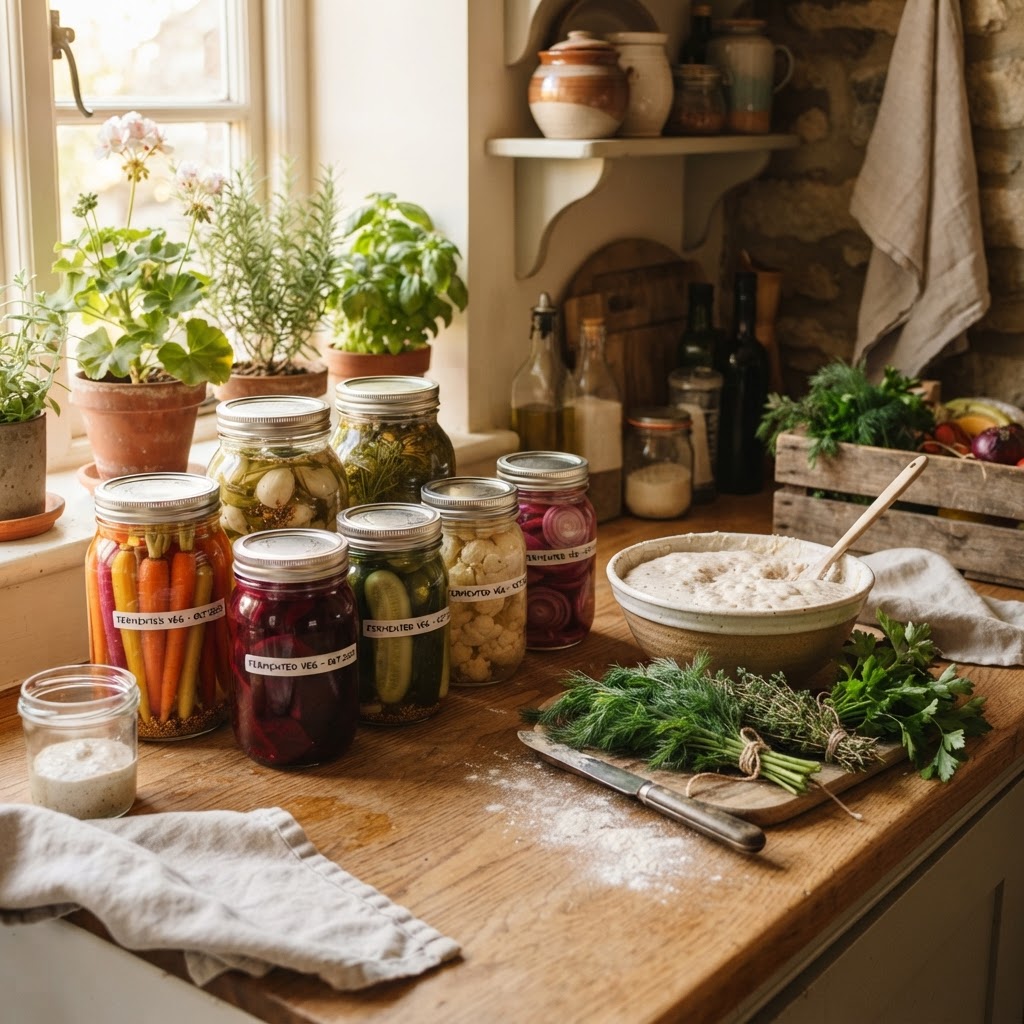
The Return of Tradition: Why Fermented and Preserved Foods Are Taking Over Canadian Kitchens
In an era defined by rapid innovation and complex, ultra-processed ingredient lists, a quiet revolution is taking place in Canadian kitchens. From the bustling aisles of local markets to the home-cooking experiments of a new generation, there is a palpable shift toward the past. Canadians are rediscovering the transformative power of ancestral cooking techniques—specifically fermentation and preservation—as a way to reclaim simplicity, authenticity, and health in their daily lives. This movement is not merely a nostalgic nod to the past; it is a sophisticated response to the modern desire for clean, nutrient-dense, and intentional eating.
According to the Canadian Health Food Association (CHFA), this resurgence of tradition is one of the most significant wellness trends heading into 2027. As consumers grow weary of fast-moving, often confusing health fads, they are turning toward time-tested practices like pickling, fermenting, and slow-simmering. This shift reflects a deeper, more meaningful connection to our food, prioritizing techniques that have sustained human health for millennia over the convenience of modern industrial processing.
Why the sudden pivot back to the basics? The answer lies in a combination of health consciousness and a desire for culinary depth. Fermentation, the process of using microbes to transform food, does more than just preserve ingredients; it enhances flavor, increases nutrient bioavailability, and supports the gut microbiome. As experts like those at the Canadian Fermented Foods Initiative (CFFI) point out, the microbiome acts as a 'hidden organ' that influences everything from immunity to metabolism. By incorporating fermented staples like sauerkraut, kimchi, miso, and kefir into our diets, we are not just eating; we are actively nourishing our internal ecosystems.
For the modern Canadian, this trend is highly accessible. You don't need a professional kitchen to participate. The beauty of fermentation lies in its simplicity: cabbage, salt, and time are all that is required to create a batch of sauerkraut. This 'low-tech' approach is gaining traction among younger demographics and families who are increasingly prioritizing natural ingredients. Whether it is the tangy crunch of a naturally fermented pickle—a category seeing significant growth in Canadian grocery retail—or the complex, savory depth of a homemade miso, these foods offer a sensory experience that mass-produced alternatives simply cannot replicate.
Beyond the health benefits, there is a profound sense of empowerment in mastering these skills. Engaging in food preservation is a form of food literacy that connects us to our cultural heritage and the seasons. It encourages us to slow down, observe the transformation of our ingredients, and appreciate the 'funk' and complexity that only time and microbial activity can provide. As we look toward the future of Canadian food, it is clear that the most innovative path forward is one that looks back, embracing the wisdom of our ancestors to create a healthier, more sustainable, and undeniably delicious kitchen culture.
Comments (0)
Sign in to leave a comment
No comments yet. Be the first to comment!