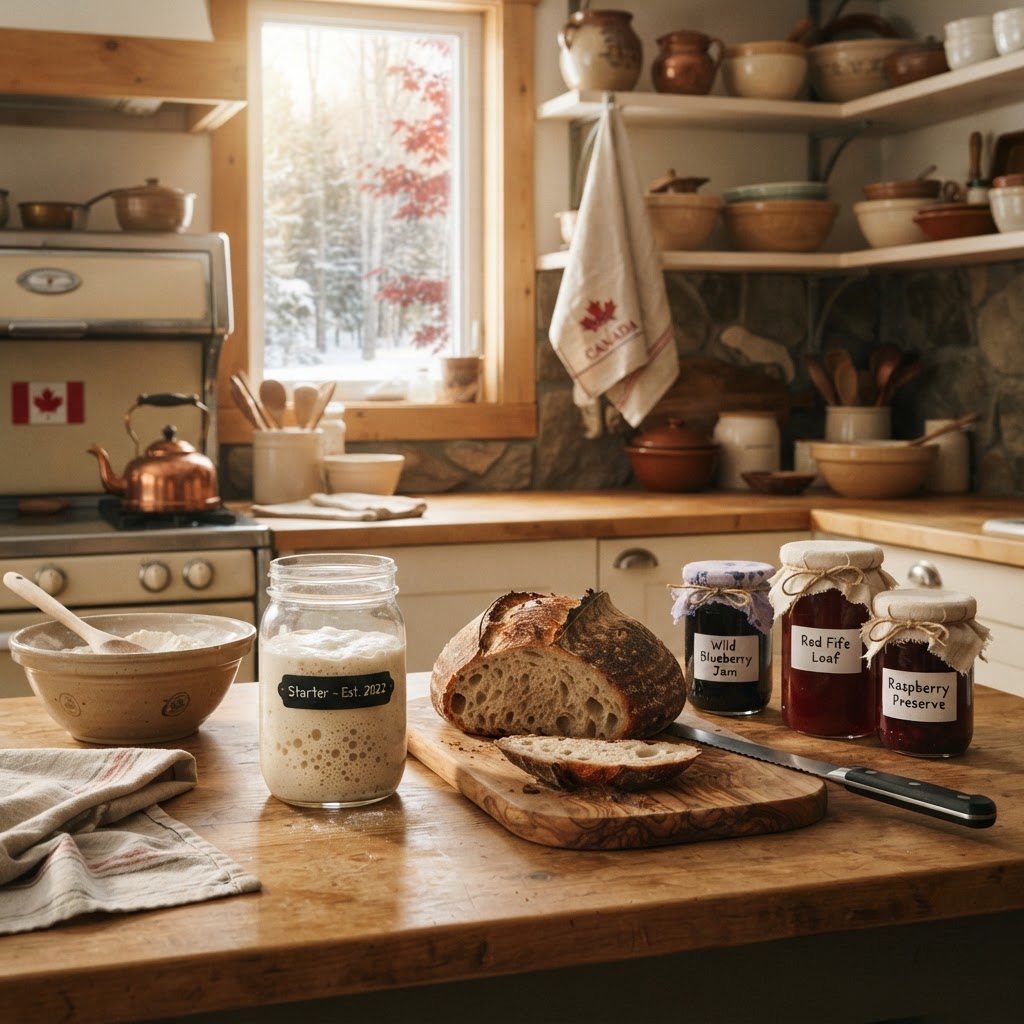
The Return of Tradition: Why Canadians Are Embracing Slow-Living Kitchen Habits
In an era defined by instant gratification, high-speed delivery apps, and the constant hum of digital notifications, a quiet revolution is taking place in Canadian kitchens. We are seeing a profound shift away from the convenience-first mindset toward a slower, more intentional way of preparing food. This movement—often called 'slow-living'—is not just about cooking; it is a deliberate act of self-care and a reclamation of our relationship with what we consume. Whether it is the rhythmic folding of sourdough or the patient waiting game of fermentation, Canadians are finding that the most nourishing meals are those that cannot be rushed.
At the heart of this trend is the sourdough revival. What began as a pandemic-era hobby has matured into a permanent fixture in the Canadian culinary landscape. Sourdough is the antithesis of the ultra-processed loaf; it relies on a 'starter'—a living culture of wild yeast and bacteria—to rise. Beyond the tangy, complex flavour profile that has captured the Canadian palate, sourdough offers tangible health benefits. The fermentation process breaks down gluten into smaller peptides, making it easier to digest, while simultaneously increasing the bioavailability of essential minerals like iron, magnesium, and calcium. It is a perfect example of how 'slow' food often equates to 'better' food.
Beyond bread, the ancient art of fermentation is making a massive comeback. From the bubbling jars of sauerkraut and kimchi on our countertops to the rise of kombucha and miso, Canadians are increasingly aware of the gut-brain connection. As experts note, the gut microbiome acts like a 'hidden organ' that influences everything from immunity to metabolism. By incorporating fermented foods into our daily routines, we are not just adding flavour; we are actively nurturing our internal health. This is a shift from viewing food as mere fuel to viewing it as a foundational pillar of wellness.
This return to tradition also serves as a powerful tool for sustainability and food sovereignty. Methods like canning, drying, and pickling—techniques that have been practiced for generations—are being revitalized across the country. For many, this is a way to reduce food waste and embrace seasonal eating, allowing us to enjoy local produce long after the harvest season has ended. We are also seeing a beautiful intersection of modern living and ancestral wisdom, with programs like the 'Tipi Teachings' in Saskatchewan helping to reclaim traditional food preservation methods that require no electricity and produce zero waste. These practices offer a path toward food security and a deeper connection to the land, proving that the oldest methods are often the most resilient.
For the modern Canadian, these habits offer a necessary 'off-switch' from the pressures of daily life. There is a meditative quality to the process: the patience required to wait for a ferment to mature or the focus needed to knead dough provides a mental break that a microwave simply cannot offer. It is a form of kitchen alchemy that turns simple ingredients like flour, water, salt, and vegetables into something extraordinary. As we navigate a world that demands we move faster, choosing to slow down in the kitchen is a radical, restorative act of self-love.
Comments (0)
Sign in to leave a comment
No comments yet. Be the first to comment!