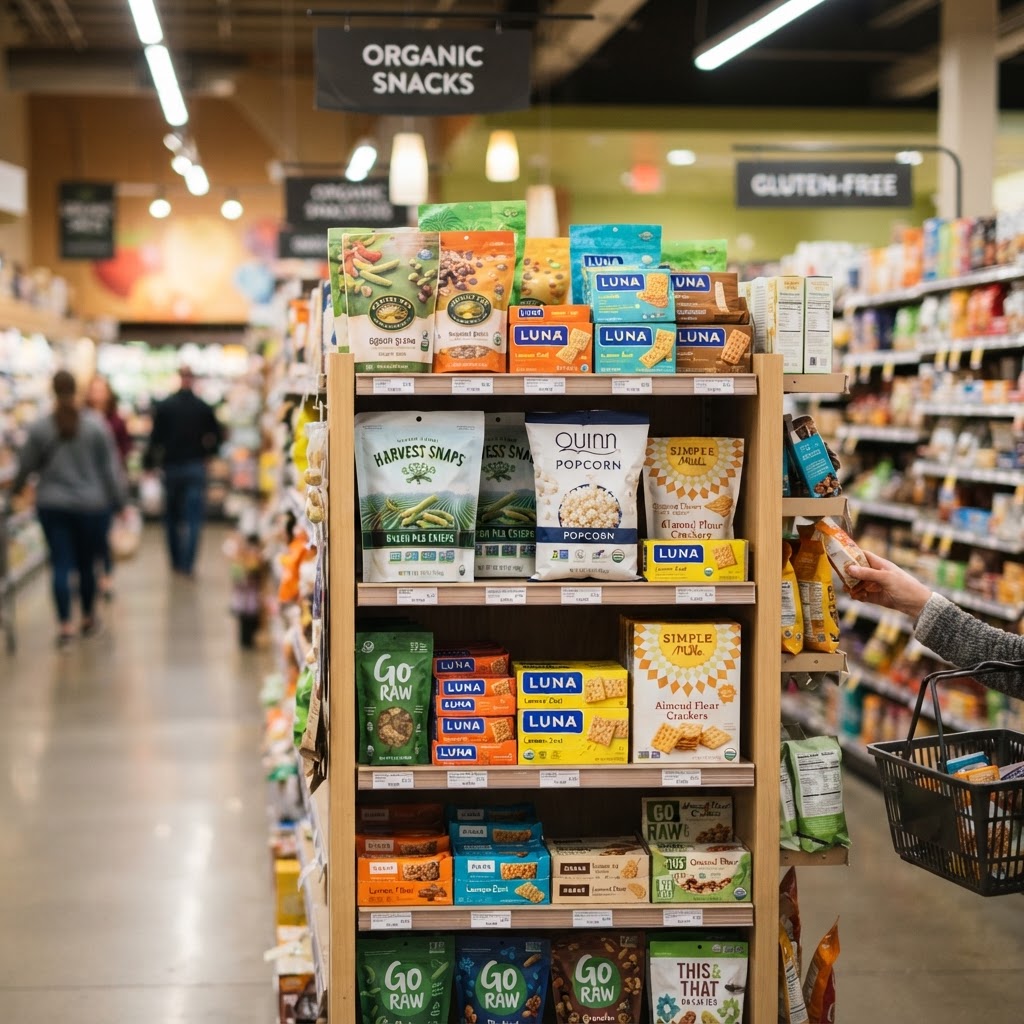
Smart Shopping: How Canadian Families Are Prioritizing Clean Ingredients on a Budget
In the modern Canadian household, the grocery list has become a battleground between two competing priorities: the desire for clean, nutrient-dense nutrition and the necessity of staying within a strict budget. As food costs remain a top expense pressure for four out of five Canadians, parents are increasingly acting as savvy business managers of their own kitchens, seeking ways to provide high-quality snacks without breaking the bank. This shift is not just a trend; it is a fundamental change in consumer behavior that is reshaping the retail landscape.
Recent data highlights that 51% of Canadians actively seek healthy ingredients, and 35% of parents specifically prioritize natural ingredients when purchasing snacks for their children. The challenge, however, lies in the 'sticker shock' often associated with clean-label products. To navigate this, Canadian families are moving away from the 'all-or-nothing' approach, instead adopting flexible strategies that prioritize value without compromising on health.
One of the most effective strategies for budget-conscious families is the 'bulk-and-divide' method. Pre-packaged, single-serve snacks often carry a premium price tag for the convenience of portion control. By purchasing larger, family-sized containers of staples—such as yogurt, nuts, or dried fruit—and portioning them into reusable containers at home, families can significantly reduce their per-serving cost. This simple shift allows parents to invest in higher-quality, clean ingredients while keeping the overall grocery bill manageable.
Another key trend is the rise of 'micro-rituals' and the pivot toward functional snacking. As remote work remains a fixture of the Canadian lifestyle, the kitchen has become the primary snack hub. Parents are increasingly looking for snacks that serve a dual purpose: providing satiety through protein and fiber while satisfying the craving for a 'crunchy' or indulgent experience. Brands that succeed in this space are those that communicate their value clearly—highlighting Canadian sourcing, high protein content, and simple, recognizable ingredient lists.
For those looking to optimize their grocery budget, experts suggest several actionable steps. First, embrace the 'frozen and canned' aisle. Frozen fruits and vegetables are often just as nutritious as their fresh counterparts and are significantly more affordable, especially out of season. Second, leverage price-matching and loyalty programs. Many major Canadian retailers offer price-matching, which can be a powerful tool when combined with weekly flyers. Finally, consider the 'private label' advantage. Many store-brand products now offer clean-label options that rival premium brands in quality but at a fraction of the cost.
Ultimately, the future of the Canadian snack market lies in the intersection of health and affordability. As consumers continue to read labels with greater scrutiny, manufacturers are being pushed to innovate, offering products that are both genuinely healthy and accessible. For the Canadian family, the path forward is clear: by combining intentional shopping habits with a focus on simple, whole foods, it is entirely possible to maintain a wellness-focused lifestyle that respects the bottom line.
Comments (0)
Sign in to leave a comment
No comments yet. Be the first to comment!