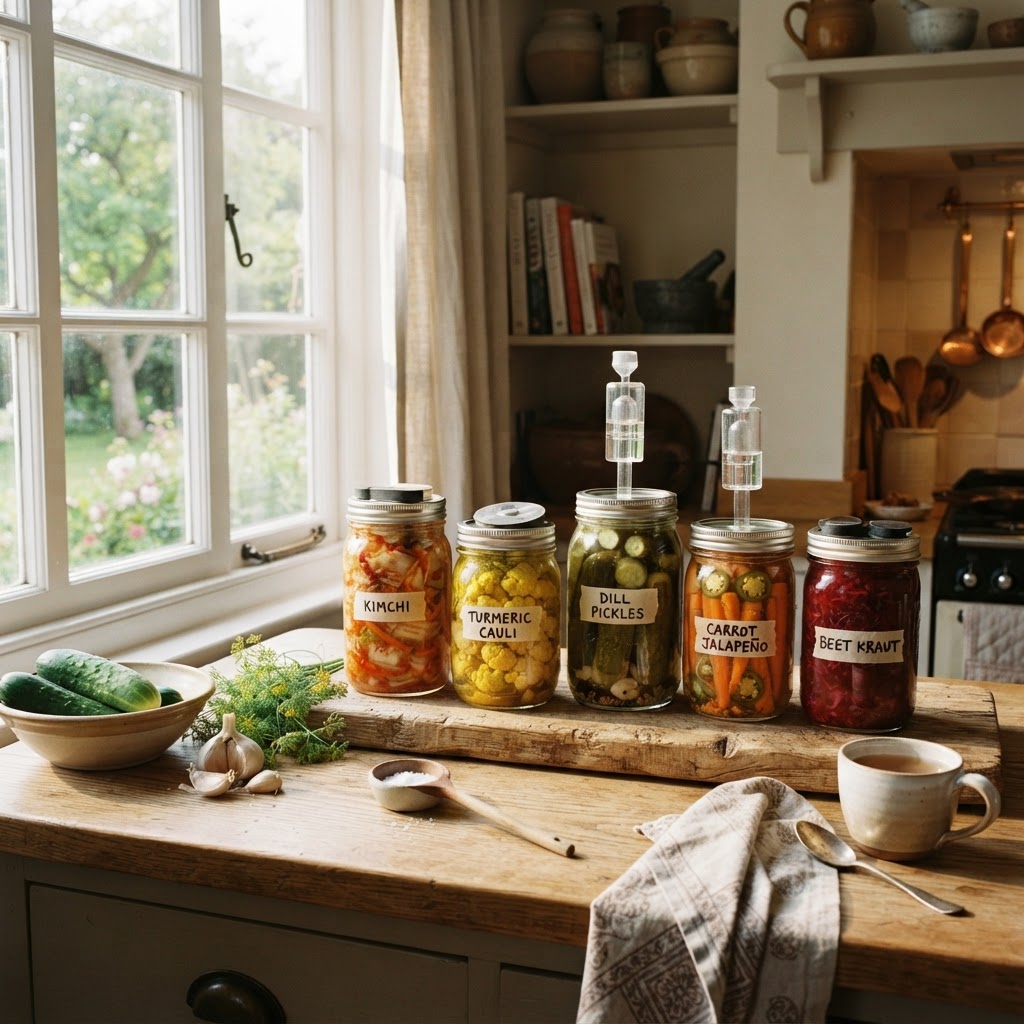
Back to Basics: Why Fermented and Pickled Foods Are the Next Big Wellness Trend
In an era of hyper-processed convenience, a quiet revolution is taking place in Canadian kitchens. We are witnessing a 'Passed Down' trend, where the modern Canadian consumer is moving away from long, unpronounceable ingredient lists in favor of traditional, time-tested food preparation methods. At the forefront of this movement are fermented and pickled foods—ancient culinary staples that are rapidly becoming the next big wellness trend. From the tangy crunch of homemade sauerkraut to the effervescent zing of kombucha, these foods are bridging the gap between our ancestors' wisdom and modern nutritional science.
The Science of the 'Old Ways'
Fermentation is far more than a preservation technique; it is a metabolic process that transforms food through the action of microorganisms. As noted by the Canadian Fermented Foods Initiative (CFFI), this process not only extends shelf life but also enhances digestibility and nutritional bioavailability. By harnessing beneficial bacteria, fermentation breaks down complex compounds, making nutrients easier for our bodies to absorb. While research is ongoing, many experts believe that regular consumption of these foods can support a diverse gut microbiome, which is increasingly linked to overall well-being, immunity, and even mental health.
Fermented vs. Pickled: Knowing the Difference
As you explore this trend, it is essential to distinguish between true fermentation and simple pickling. While both methods preserve food, they are not identical. Traditional fermentation relies on salt and natural bacteria to develop flavor and probiotics. Conversely, many commercial 'pickled' products found on grocery store shelves are simply soaked in vinegar. While these quick-pickled items offer a delicious, tangy flavor, they do not undergo the microbial transformation required to produce the beneficial probiotics associated with fermented foods. To reap the health rewards, look for products in the refrigerated section that specify 'naturally fermented' or 'live cultures' on the label.
A Canadian Culinary Revival
Across Canada, there is a renewed interest in these methods driven by sustainability and a desire to reduce food waste. By preserving seasonal produce—like late-summer cucumbers or autumn cabbage—Canadians are finding ways to enjoy local flavors long after the growing season ends. This movement is supported by organizations like the CFFI, which aims to provide consumers with trusted, science-based information. Whether it is the traditional preservation of meats like pemmican practiced by Indigenous peoples or the modern artisanal production of miso and kimchi, these practices are deeply embedded in our cultural fabric.
Actionable Tips for Your Kitchen
Starting your own fermentation journey doesn't require a laboratory; it requires patience and a few simple tools. Begin by introducing fermented foods gradually to allow your digestive system to adjust. Start with small servings of yogurt, kefir, or a spoonful of raw sauerkraut added to your daily salad or grain bowl. If you are feeling adventurous, try a 'quick-pickle' at home using a simple salt brine and fresh vegetables. Remember, the goal is to embrace the process rather than chase perfection. By choosing these traditional foods, you are not just following a trend—you are participating in a sustainable, health-conscious lifestyle that honors the past while nourishing your future.
Comments (0)
Sign in to leave a comment
No comments yet. Be the first to comment!