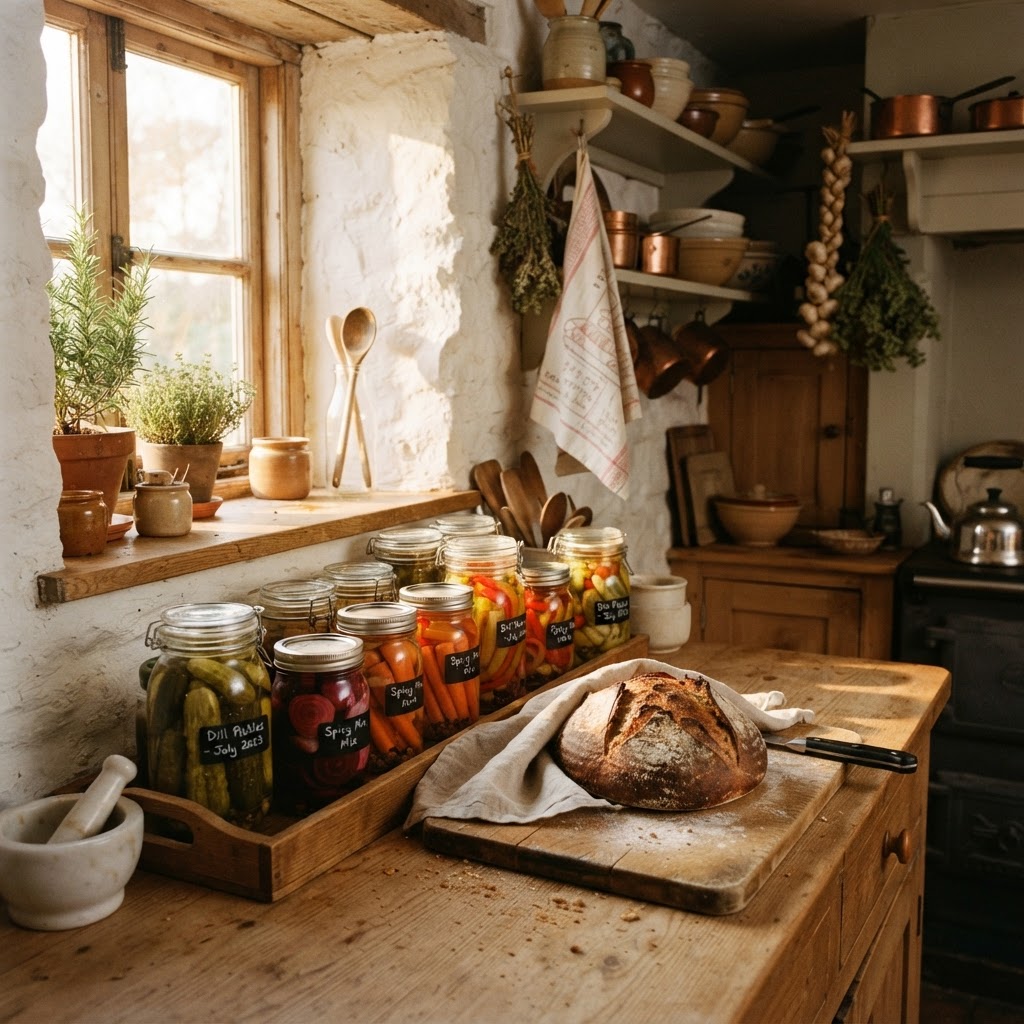
The Rise of 'Heritage Wellness': Returning to Traditional Food Preparation
In an era defined by rapid digital transformation and the convenience of ultra-processed meals, a quiet revolution is taking place in Canadian kitchens. We are witnessing the rise of 'Heritage Wellness'—a movement that finds comfort, identity, and profound health benefits in the slow, intentional practices of our ancestors. For many, this is more than just a culinary trend; it is a return to the roots of nourishment, where the act of preparing food becomes a meditative ritual rather than a chore. As we navigate uncertain times, the appeal of traditional techniques like fermenting, pickling, and slow-simmering offers a tangible sense of stability and connection to our heritage. At its core, Heritage Wellness is about reclaiming the knowledge that once defined our food systems. Whether it is the tangy crunch of homemade sauerkraut or the deep, complex flavors of a long-simmered bone broth, these practices are being rediscovered for their ability to enhance gut health, boost immunity, and provide a deeper sensory experience. In Canada, where the culinary landscape is increasingly focused on sustainability and hyper-local sourcing, these ancient methods align perfectly with a modern desire for mindful consumption. Understanding the distinction between these techniques is the first step in your journey. While often used interchangeably, pickling and fermenting are distinct processes. Pickling involves immersing food in an acidic solution, such as vinegar, which preserves the item by inhibiting the growth of microorganisms. It is a fantastic way to add a bright, acidic punch to your meals. Fermentation, on the other hand, is a transformative process where natural bacteria convert sugars and carbohydrates into beneficial acids. This not only preserves the food but also creates a powerhouse of probiotics, which are essential for maintaining a healthy gut microbiome. For the modern Canadian home cook, starting small is the key to success. You don't need a professional kitchen to begin. Start by experimenting with simple lacto-fermented vegetables. A basic jar of cabbage, salt, and time is all you need to create your own sauerkraut. This process is not only cost-effective but also allows you to control the quality of ingredients, ensuring you are avoiding the additives often found in store-bought versions. As you become more comfortable, you might explore the art of slow-simmering, a technique that extracts maximum nutrients and flavor from seasonal produce and local proteins, turning humble ingredients into restorative meals. Beyond the physical health benefits, Heritage Wellness serves as a powerful tool for mental well-being. In a world that demands constant productivity, the patience required for fermentation or the slow-simmering of a stew forces us to slow down. It is an act of intentional living that connects us to the seasons and the land. By prioritizing these traditional methods, we are not just feeding our bodies; we are preserving cultural knowledge and fostering a deeper appreciation for the food on our plates. As we look toward the future, it is clear that the most innovative path forward may actually be a step back into the traditions of the past.
Comments (0)
Sign in to leave a comment
No comments yet. Be the first to comment!