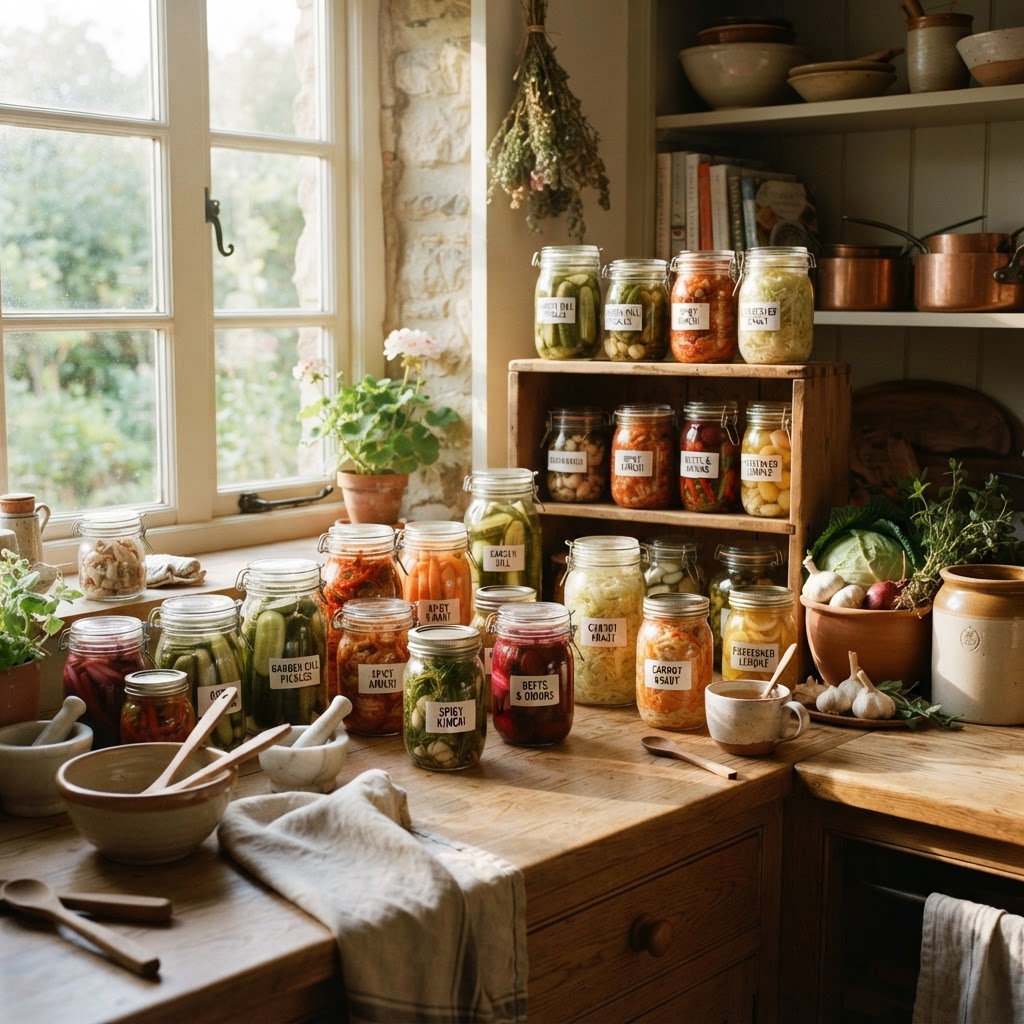
The Return to Roots: Why Canadians Are Rediscovering Traditional Food Preservation
In the modern Canadian kitchen, where global ingredients are available at the click of a button, a quiet revolution is taking place. Across the country, from urban apartments in Toronto to rural homesteads in the Prairies, there is a renewed fascination with the age-old art of food preservation. Techniques like fermenting, pickling, and drying—once essential survival skills for our ancestors—are being reclaimed as a sophisticated, sustainable, and deeply rewarding lifestyle choice. This return to roots is about more than just extending the shelf life of our groceries; it is a way to reconnect with the land, honour our diverse cultural heritage, and take a stand against the convenience-driven culture of food waste.
For Indigenous Peoples in Canada, including First Nations, Inuit, and Métis communities, these practices have never truly gone away. Traditional methods such as smoking fish, drying meats, and creating pemmican—a nutrient-dense blend of dried meat, fat, and berries—have sustained communities through harsh Canadian winters for generations. Today, there is a growing mainstream appreciation for these traditions. By integrating techniques like foraging for wild edibles and utilizing traditional ingredients like Saskatoon berries or venison, contemporary Canadians are acknowledging the deep-rooted culinary wisdom that has shaped our national identity.
At the heart of this movement is a desire for sustainability. Food preservation is one of the most effective ways to curb household food waste. When we preserve, we stop viewing 'excess' produce as a burden and start seeing it as an opportunity. Whether it is turning a surplus of summer cucumbers into crisp dill pickles or fermenting cabbage into tangy sauerkraut, these methods allow us to enjoy the bounty of the harvest long after the growing season has ended. As noted by experts, these practices help us retain nutrients and promote a diet that is more in tune with local, seasonal cycles.
Understanding the difference between these techniques is the first step to getting started. Pickling involves immersing food in an acidic solution, such as vinegar, to achieve a bright, sour flavour. It is often the entry point for beginners because of its speed and simplicity. Fermenting, on the other hand, is a slower, more magical process. By introducing beneficial microcultures to food, we allow bacteria to transform sugars and starches into lactic acid. This not only preserves the food but also enhances its nutritional profile, creating probiotic-rich staples like kimchi, miso, and kombucha that support gut health.
For those looking to start their own preservation journey, the barrier to entry is lower than you might think. You don't need a professional kitchen to begin. Start with 'quick pickles'—a simple brine of vinegar, salt, and spices poured over sliced vegetables—which can be ready to eat in just a few hours. If you are feeling more adventurous, try a basic lacto-fermented vegetable recipe. All you need is a clean jar, non-chlorinated water, salt, and a bit of patience. Remember, the key to success is cleanliness; always ensure your jars are sterilized and your ingredients are fresh.
Ultimately, the return to traditional preservation is a rejection of the 'disposable' food culture. It is a practice that demands we slow down, observe the seasons, and engage with our food on a deeper level. As we line our shelves with jars of preserved summer sunshine, we aren't just stocking our pantries—we are preserving a connection to our past and building a more resilient, flavourful future for our tables.
Comments (0)
Sign in to leave a comment
No comments yet. Be the first to comment!