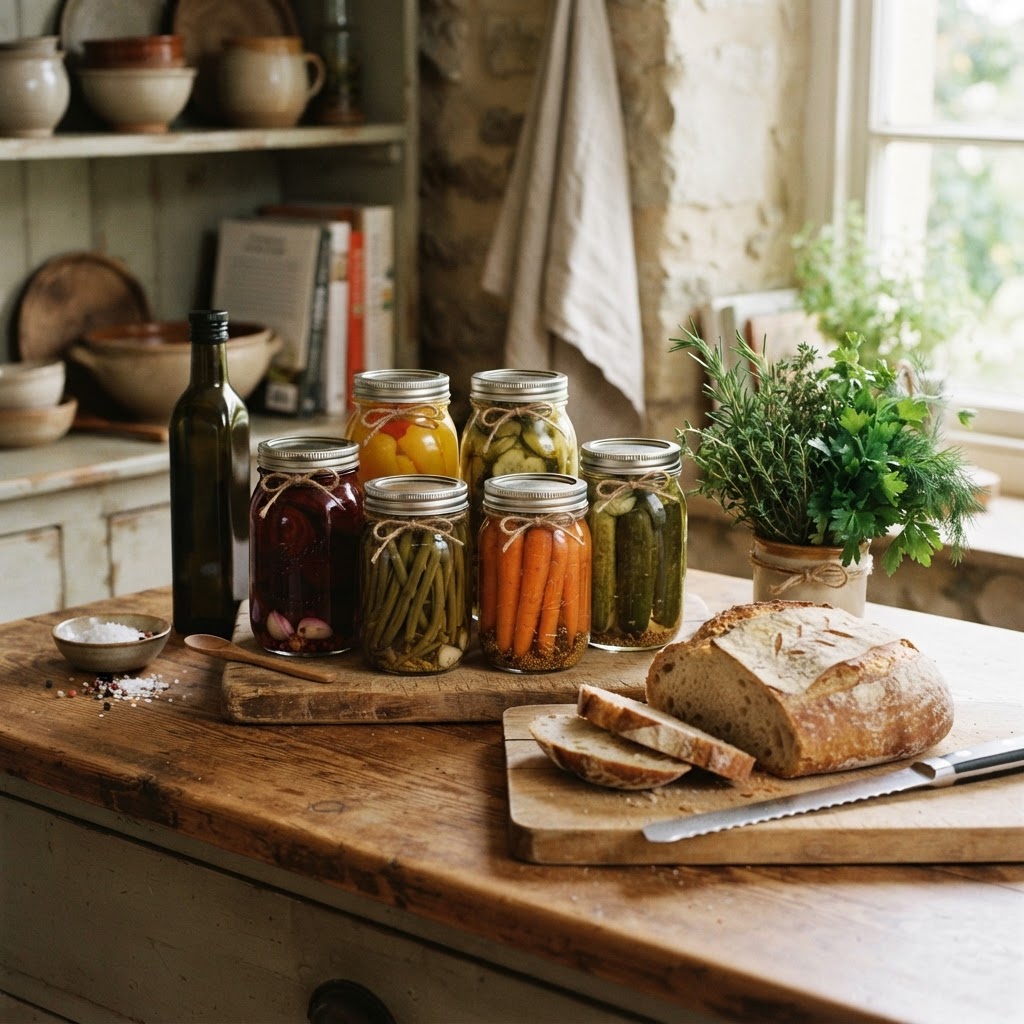
Fermented and Preserved: Why Traditional Food Techniques Are Trending in 2027
In the fast-paced landscape of 2027, Canadian kitchens are undergoing a quiet, bubbling revolution. As we move further away from the era of ultra-processed convenience, a growing number of Canadians are looking backward to move forward, embracing the ancient arts of fermentation, pickling, and slow-simmering. This isn't just a nostalgic nod to our ancestors; it is a sophisticated, health-conscious shift toward nutrient-dense, authentic food that prioritizes gut health and sustainability.
Why the sudden surge in 'funk'? For many, it starts with the microbiome. As awareness of the gut-brain axis grows, Canadians are increasingly turning to fermented staples like kefir, kombucha, kimchi, and sauerkraut. These foods, transformed by beneficial microbes, are being recognized not just for their complex, tangy flavor profiles, but for their potential to support immune health and digestion. According to recent industry reports, the Canadian fermented food market is projected to reach nearly $1 billion by 2030, signaling that this is far more than a passing fad.
Beyond the health benefits, there is a profound desire for food literacy. In an age of mass production, the act of preserving a harvest—whether it is a jar of lacto-fermented pickles from a local farmers' market or a loaf of long-fermented sourdough—offers a tangible connection to our food systems. It is a way to reduce waste, extend the shelf life of seasonal produce, and reclaim control over what we put into our bodies. As noted by experts at the Canadian Fermented Foods Initiative, these practices are essential for building a more resilient and diverse food culture in Canada.
If you are looking to integrate these traditions into your own routine, start small. You don't need a professional lab to get started. Begin by swapping mass-produced vinegar pickles for naturally fermented, brine-cured versions found in the refrigerated section of your local grocer. Experiment with high-quality, small-batch kombucha or introduce miso into your daily soups for an instant umami boost. For the adventurous, home fermentation of vegetables is an accessible entry point—all you need is salt, fresh produce, and a bit of patience.
However, as we embrace these techniques, it is important to remain informed. While the benefits are promising, the science of 'ferment-ceuticals' is still evolving. Not all fermented products are created equal; small-batch, raw, and unpasteurized products often retain the highest microbial diversity compared to their shelf-stable, heat-treated counterparts. When shopping, look for labels that specify 'live cultures' or 'raw' to ensure you are getting the full spectrum of benefits.
Ultimately, the trend toward fermented and preserved foods represents a broader Canadian movement toward intentional eating. By slowing down our culinary processes, we are not only enhancing the flavor and nutritional value of our meals but also honoring a global heritage of preservation that has sustained humanity for millennia. Whether you are a seasoned home cook or a curious foodie, there has never been a better time to bring a little bit of 'funk' into your kitchen.
Comments (0)
Sign in to leave a comment
No comments yet. Be the first to comment!