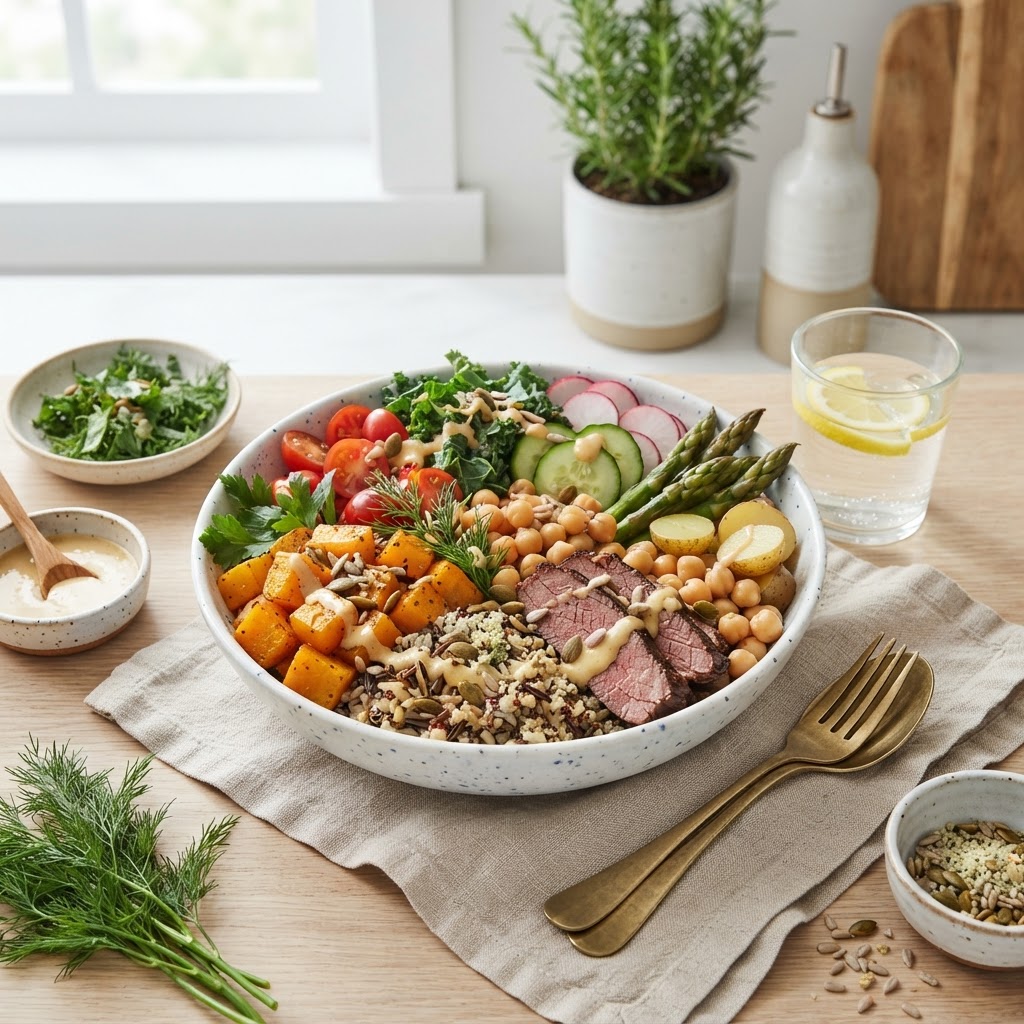
Wellness-Driven Dining: Why Canadians Are Prioritizing Fiber and Protein
In 2026, the way Canadians approach their plates has undergone a fundamental transformation. Gone are the days when healthy eating was defined solely by restriction or calorie counting. Today, the focus has shifted toward functional nutrition—a movement where food is treated as an active tool for health management, energy optimization, and long-term vitality. At the heart of this shift are two nutritional powerhouses: protein and fiber.
Whether you are a busy professional navigating a hectic work week or a fitness enthusiast looking to sustain your energy levels, the trend toward high-protein and fiber-rich dining is becoming a mainstream expectation. According to recent industry insights, Canadians are increasingly seeking out products that perform, looking for meals and snacks that support gut health, blood sugar management, and sustained cognitive performance.
Why the sudden surge in demand for these two nutrients? The answer lies in the science of satiety and cellular health. Protein remains the "coin of the realm" for Canadian consumers, valued for its ability to support muscle maintenance and keep us feeling full longer. Meanwhile, fiber is gaining long-overdue recognition for its role in digestive health and metabolic balance. Together, they form the foundation of a balanced, modern diet that moves beyond basic nutrition to provide tangible, daily benefits.
This shift is visible across every aisle of the grocery store. We are seeing a wave of innovation where protein and fiber are being integrated into everything from bakery items and frozen meals to functional beverages. It is no longer enough for a product to simply taste good; shoppers now demand that their food works as hard as they do. This is particularly evident in the snacking category, where consumers are trading empty calories for nutrient-dense options like chickpea-based chips, protein-fortified dairy alternatives, and fiber-rich ancient grain blends.
For those looking to incorporate these trends into their daily routine, the key is focusing on real, whole-food ingredients. Rather than relying on ultra-processed supplements, look for "better-for-you" staples. Incorporating pulses, legumes, and ancient grains into your meal prep is an easy, cost-effective way to boost your fiber intake. Similarly, opting for high-quality, lean protein sources—or even plant-based options that prioritize simple, recognizable ingredients—can help you maintain steady energy levels throughout the day without the mid-afternoon crash.
As we look toward the future of dining, it is clear that wellness-driven eating is here to stay. It is a structural change in how we relate to our food, crossing demographic lines and reshaping our shopping habits. By prioritizing protein and fiber, Canadians are not just eating for today; they are investing in their long-term health, one delicious, functional bite at a time.
Comments (0)
Sign in to leave a comment
No comments yet. Be the first to comment!