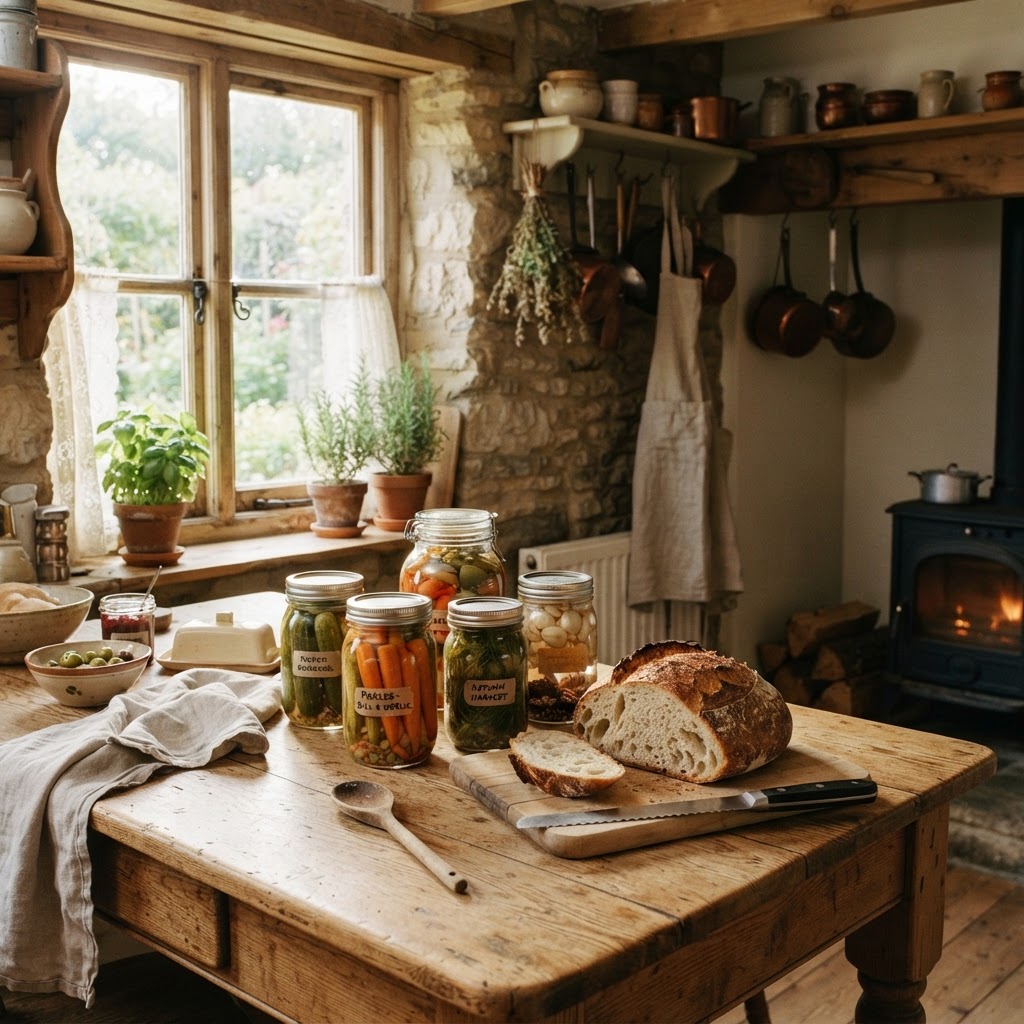
The Return to Tradition: Why Canadians Are Rediscovering Heritage Cooking
In an era defined by rapid innovation and digital noise, a quiet revolution is taking place in Canadian kitchens. We are witnessing a profound shift away from the hyper-processed, complex ingredient lists that dominated the last decade, moving instead toward the wisdom of our ancestors. This return to heritage cooking—a movement rooted in time-tested techniques like fermenting, pickling, smoking, and curing—is not just a nostalgic trend; it is a structural change in how we relate to our food. As comfort and nostalgia see a massive surge in popularity, Canadians are finding that the secret to better health and deeper flavor lies in the simplicity of the past. The appeal of heritage cooking is multifaceted. For many, it is a way to reclaim control over what we consume, moving away from mass-produced items toward whole, recognizable ingredients. Techniques such as fermentation, which has been used by Indigenous populations in Canada for generations to enhance nutrition and remove toxins from plants, are now being embraced by home cooks and professional chefs alike. By utilizing the natural power of beneficial bacteria, we can transform simple vegetables like cucumbers, asparagus, or green beans into nutrient-dense, flavorful staples that support gut health and reduce inflammation. This movement is also deeply tied to the Canadian identity. Our culinary landscape is a vibrant tapestry woven from the traditions of First Nations, Métis, and Inuit peoples, combined with the diverse influences of generations of immigrants. Whether it is the slow-simmered comfort of a traditional pea soup, the preservation of wild edibles through foraging, or the infusion of global spices into classic Canadian comfort foods, heritage cooking allows us to tell a story through our meals. It is about honoring the land and the history of those who cultivated it before us. If you are looking to bring the heritage revival into your own kitchen, start small. You do not need a professional setup to begin. Pickling is an accessible entry point; a simple brine of salt, water, and aromatics can turn seasonal produce into a vibrant side dish that lasts for weeks. Similarly, exploring traditional recipes—such as bannock or slow-cured meats—can provide a tangible connection to regional history. The goal is to prioritize quality over convenience and to view the kitchen as a space for slow, intentional creation rather than a chore to be rushed. Ultimately, the return to tradition is about more than just food; it is about wellness and community. As we look toward the future of Canadian dining, the most exciting innovations are those that look backward to find inspiration. By embracing these ancient methods, we are not only creating more delicious, complex, and healthy meals, but we are also preserving a vital part of our cultural heritage for the next generation. It is time to slow down, get back to basics, and rediscover the joy of cooking with intention.
Comments (0)
Sign in to leave a comment
No comments yet. Be the first to comment!