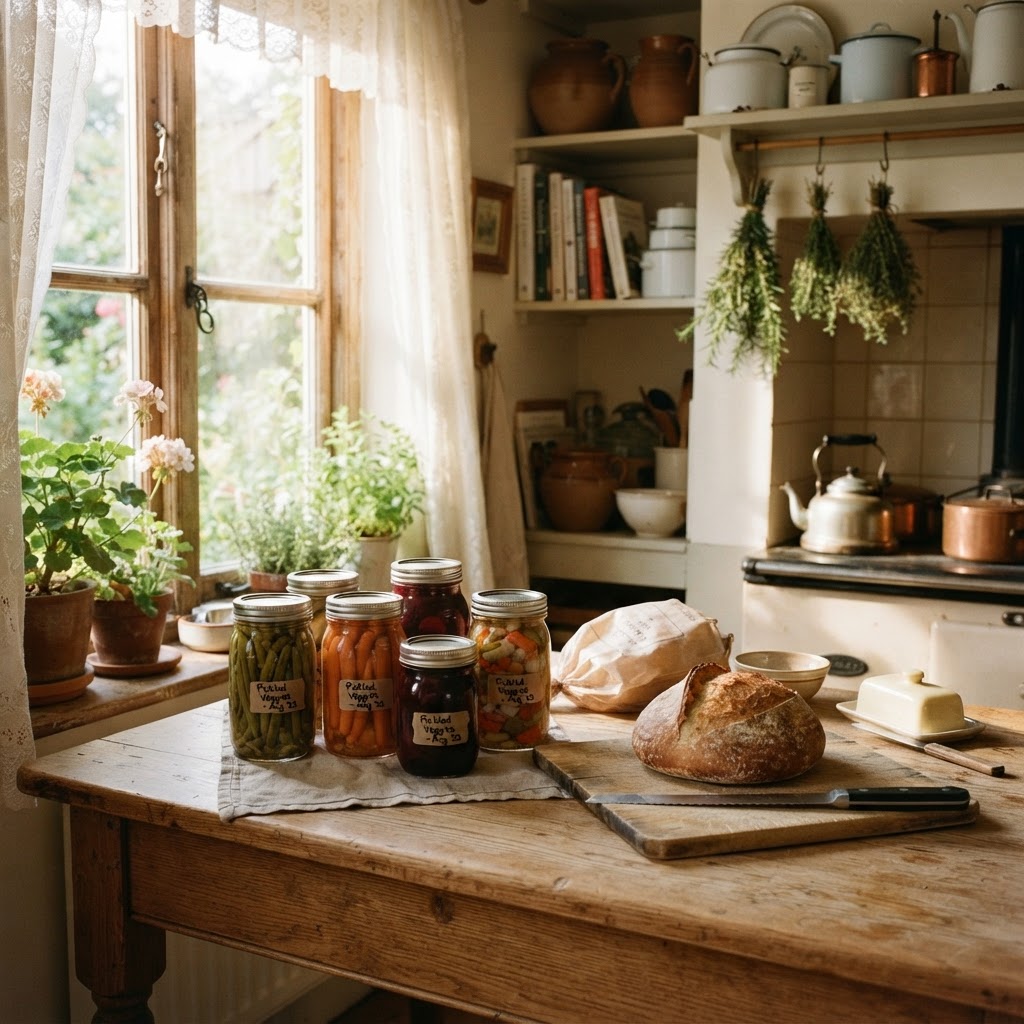
The Return to Tradition: Why Canadians Are Rediscovering Heritage Cooking
In an era defined by rapid technological advancement and the convenience of ultra-processed meals, a quiet revolution is taking place in Canadian kitchens. We are witnessing a profound shift away from the complex, unrecognizable ingredient lists of the past decade toward a renewed appreciation for heritage cooking. This isn't just a fleeting trend; it is a structural change in how Canadians relate to their food, blending nostalgia with a modern commitment to sustainability and wellness. As comfort and heritage cues gain momentum, Canadians are looking backward to move forward, embracing the time-tested techniques that once defined our culinary landscape.
At its core, heritage cooking is about more than just recipes; it is about the preservation of history and the mastery of simple, whole ingredients. Whether it is the Indigenous practice of smoking salmon, the French-Canadian tradition of slow-simmering tourtière, or the pickling and fermenting techniques that allowed early settlers to survive harsh winters, these methods are being reclaimed by a new generation of home cooks. This movement is deeply rooted in the understanding that food is a bridge between cultures, with immigrants and long-standing communities alike contributing to a vibrant, evolving Canadian identity.
One of the most exciting aspects of this return to tradition is the resurgence of fermentation. Once a necessity for food preservation, techniques like pickling cucumbers, asparagus, or green beans in brine are now celebrated for their gut-health benefits and complex flavor profiles. The Canadian Fermented Foods Initiative highlights that this interest is driven by a desire for sustainability and a deeper connection to our food sources. By fermenting at home, Canadians are not only reducing food waste but also engaging in a tactile, rewarding process that connects them to the rhythms of the seasons.
Beyond the jar, we are seeing a broader interest in foraging and traditional preservation. From gathering wild edibles like Saskatoon berries to curing meats, these practices encourage us to slow down. The 'slow food' movement is gaining significant traction across the country, advocating for quality over convenience. This shift is not about rejecting modern life, but rather redefining it. We are seeing 'convenience' transformed into something premium—where a jar of homemade raspberry vinegar or a batch of traditional molasses cookies becomes a thoughtful, high-quality staple rather than a compromise.
If you are looking to bring heritage cooking into your own kitchen, start small. You don't need to overhaul your entire pantry overnight. Begin by mastering one traditional technique. Try your hand at a simple brine for seasonal vegetables, or look up a classic recipe for split pea soup or bannock. These dishes are not only deeply comforting but also serve as a reminder of the diverse cultural tapestry that makes up Canada. By choosing to cook from scratch, you are participating in a legacy of resilience and creativity that spans from the First Nations, Inuit, and Métis peoples to the diverse diaspora that continues to shape our national palate.
Ultimately, the return to heritage cooking is a celebration of authenticity. It is an invitation to slow down, respect the ingredients, and share a story through the food we serve. As we look toward the future of Canadian cuisine, it is clear that the most innovative path forward is one that honors the wisdom of the past. By embracing these traditional methods, we are not just feeding our bodies; we are nourishing our connection to the land, our history, and each other.
Comments (0)
Sign in to leave a comment
No comments yet. Be the first to comment!