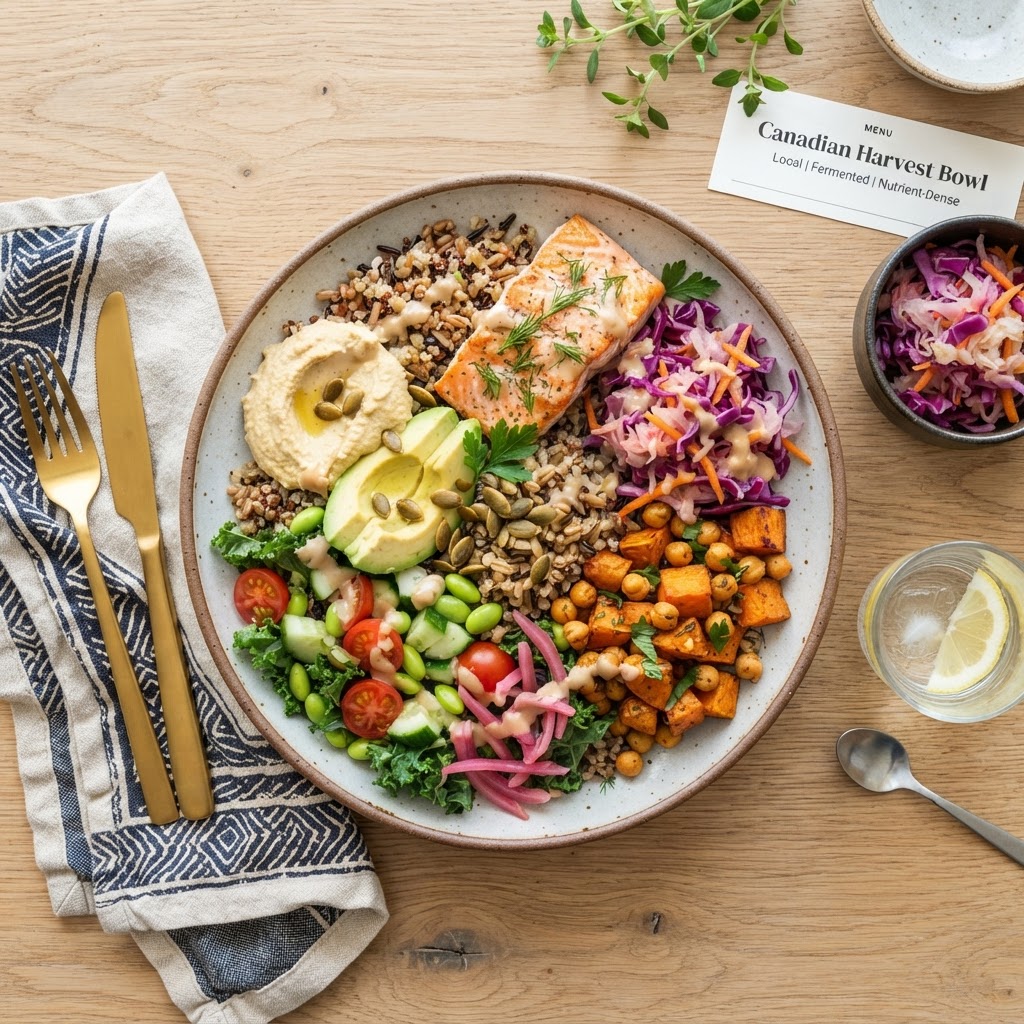
Gut Health and Beyond: The Wellness-Driven Dining Trends Shaping Canada
In 2026, the Canadian culinary landscape is undergoing a quiet but profound transformation. For the modern Canadian diner, food is no longer just fuel or a source of indulgence; it has become an active tool for health management. As we navigate the year, the focus has shifted away from restrictive dieting toward a more holistic, benefit-driven approach to eating. Whether you are dining out in Vancouver or grabbing a quick bite in Toronto, the emphasis is now on functional nutrition—specifically gut health, protein density, and fiber-rich ingredients.
The Rise of Functional Wellness
Gone are the days when "healthy" meant bland or overly processed. Today’s Canadian consumer is looking for specific benefits: energy, cognitive performance, immune support, and metabolic balance. According to recent industry insights, over 60% of consumers now prioritize foods that support gut health as a primary purchase driver. However, there is a growing resistance to products that are overtly marketed as "diet food." Instead, diners are gravitating toward "stealth health"—dishes that taste like comfort food but are secretly packed with fermented ingredients, fiber-rich grains, and high-quality proteins.
Fibre: The New Star of the Plate
While protein has long held the spotlight, 2026 is officially the year fiber takes center stage. Recognizing the link between gut health and overall well-being—including mood, sleep, and skin appearance—Canadians are seeking out meals that prioritize digestive health. Restaurants are responding by integrating fiber-forward components into familiar menus. Think of kimchi folded into savory fried rice, mushroom-based sauces paired with lean proteins, or probiotic-rich beverages served alongside classic comfort dishes. This shift makes wellness accessible, turning a standard dinner into a functional experience without sacrificing flavor.
Protein-Forward Dining for Everyone
Protein has successfully moved beyond the confines of bodybuilding culture and into the mainstream. Whether it is high-protein pasta, Greek yogurt bowls, or meals built around lentils, beans, and sustainably sourced fish, Canadians are using protein to increase satiety and fuel their busy lifestyles. The trend is moving toward "real food" solutions. Rather than relying solely on processed protein bars, many are choosing naturally protein-rich ingredients like eggs, cottage cheese, and tofu. This shift is creating a unique opportunity for Canadian food processors and chefs to innovate by combining pleasure with satiety, ensuring that every meal feels both indulgent and nourishing.
Actionable Insights for the Modern Diner
How can you lean into these trends in your daily life? Start by focusing on ingredient-forward meals. When dining out, look for menus that highlight whole ingredients—quality carbs, healthy fats, and diverse fiber sources. If you are cooking at home, try incorporating fermented foods like sauerkraut or kefir into your routine to support your microbiome. Remember, the goal is not perfection but progress. By choosing meals that offer specific benefits, you are aligning your dining habits with your long-term wellness goals.
The Future of Canadian Dining
As we look toward the remainder of 2026, the intersection of pleasure and health will continue to define our food culture. Canadians are demanding more from their meals, and the industry is rising to the challenge. By prioritizing quality, freshness, and the story behind our food, we are creating a more sustainable and health-conscious dining environment. Whether you are exploring a new plant-forward restaurant or experimenting with fermented ingredients in your own kitchen, you are part of a movement that is redefining what it means to eat well in Canada.
Comments (0)
Sign in to leave a comment
No comments yet. Be the first to comment!