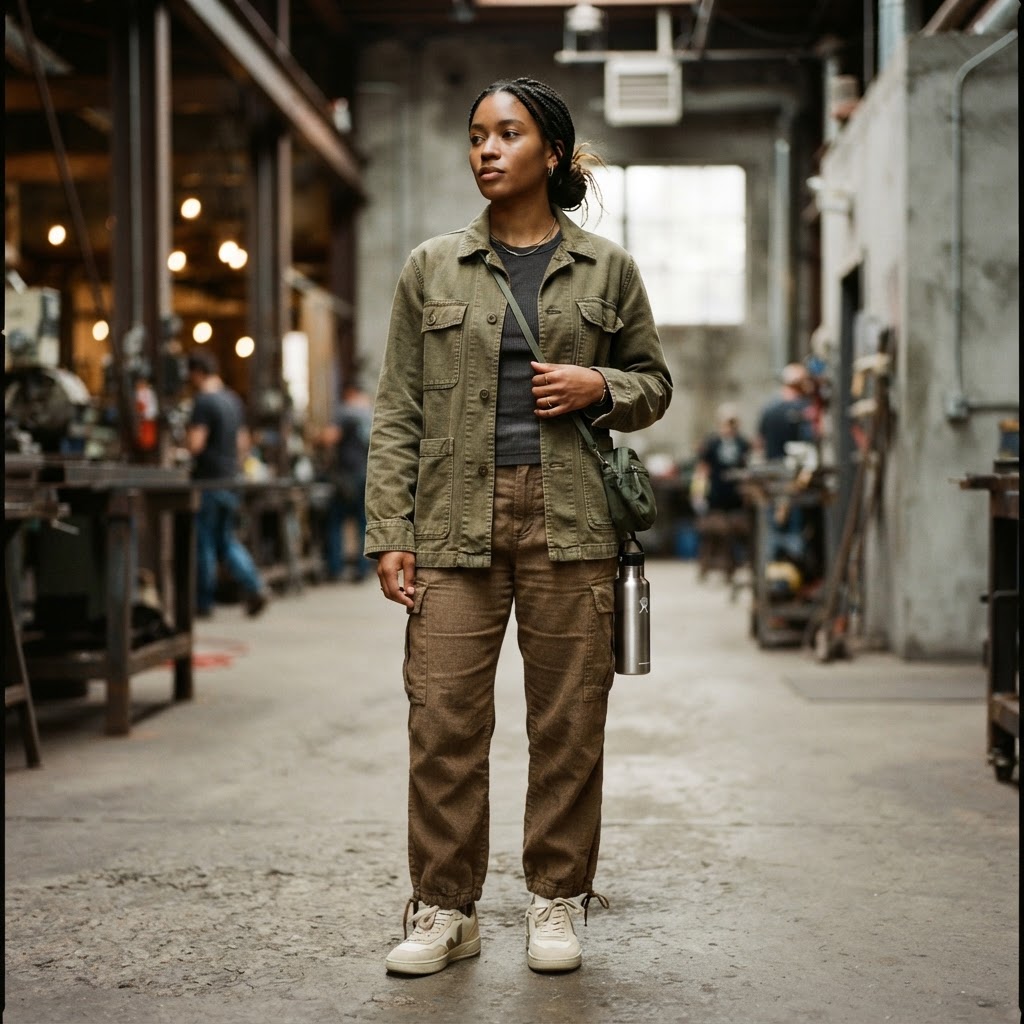
Sustainable Streetwear: How to Build a Conscious Closet
Streetwear has long been defined by the thrill of the drop, the exclusivity of limited-edition releases, and a relentless cycle of trends. However, as the environmental impact of the fashion industry becomes impossible to ignore—with global textile waste reaching staggering heights—a new movement is taking hold. Sustainable streetwear is no longer an oxymoron; it is a growing shift toward quality, ethical production, and longevity. For the modern Canadian, building a conscious closet is about moving away from the fast-fashion treadmill and toward a wardrobe that reflects both personal style and planetary responsibility. The first step in building a conscious closet is shifting your mindset from 'drop-day emotion' to 'cost-per-wear.' Fast fashion thrives on impulse, but sustainable style is built on intention. When you invest in a piece, consider its lifecycle. Ask yourself: Is this made from organic or recycled materials? Does the brand prioritize fair wages and safe working conditions? By treating your clothing as an investment rather than a disposable commodity, you naturally gravitate toward pieces that are designed to last. In Canada, we are fortunate to have a thriving ecosystem of brands that prove you don't have to sacrifice an urban, edgy aesthetic for ethics. Brands like Vancouver’s Tentree are leading the way by integrating climate action directly into their business model, while Toronto-based Encircled focuses on versatile, long-lasting essentials that defy seasonal trends. These companies demonstrate that the three pillars of sustainable streetwear—materials, manufacturing, and mindset—can coexist beautifully. When shopping, look for transparency. The most impactful brands are those that share their supply chain stories, from the fiber source to the factory floor. Fiber choice is a critical detail; look for organic cotton, hemp, or recycled post-consumer plastics. As we look toward 2026, the trend is moving toward maximalism—bold colors, print clashes, and unique textures. This is great news for the conscious consumer, as it proves that sustainable fashion is not limited to plain, neutral minimalism. You can express your personality through statement pieces that are ethically produced. Maintenance is the final, often overlooked, pillar of a conscious closet. Once you have invested in high-quality streetwear, your job is to keep it in circulation. Learn basic repair skills, wash your clothes in cold water to save energy, and embrace the 'repair culture' championed by industry leaders like Patagonia. If a piece no longer fits your style, consider reselling it or donating it to ensure it stays out of the landfill. Building a sustainable wardrobe is a journey, not a destination. It is about making better choices one garment at a time. By supporting Canadian designers and prioritizing brands that value people and the planet, you are not just curating a closet—you are participating in a necessary revolution. Your style is your story; make sure it is one you are proud to tell.
Comments (0)
Sign in to leave a comment
No comments yet. Be the first to comment!