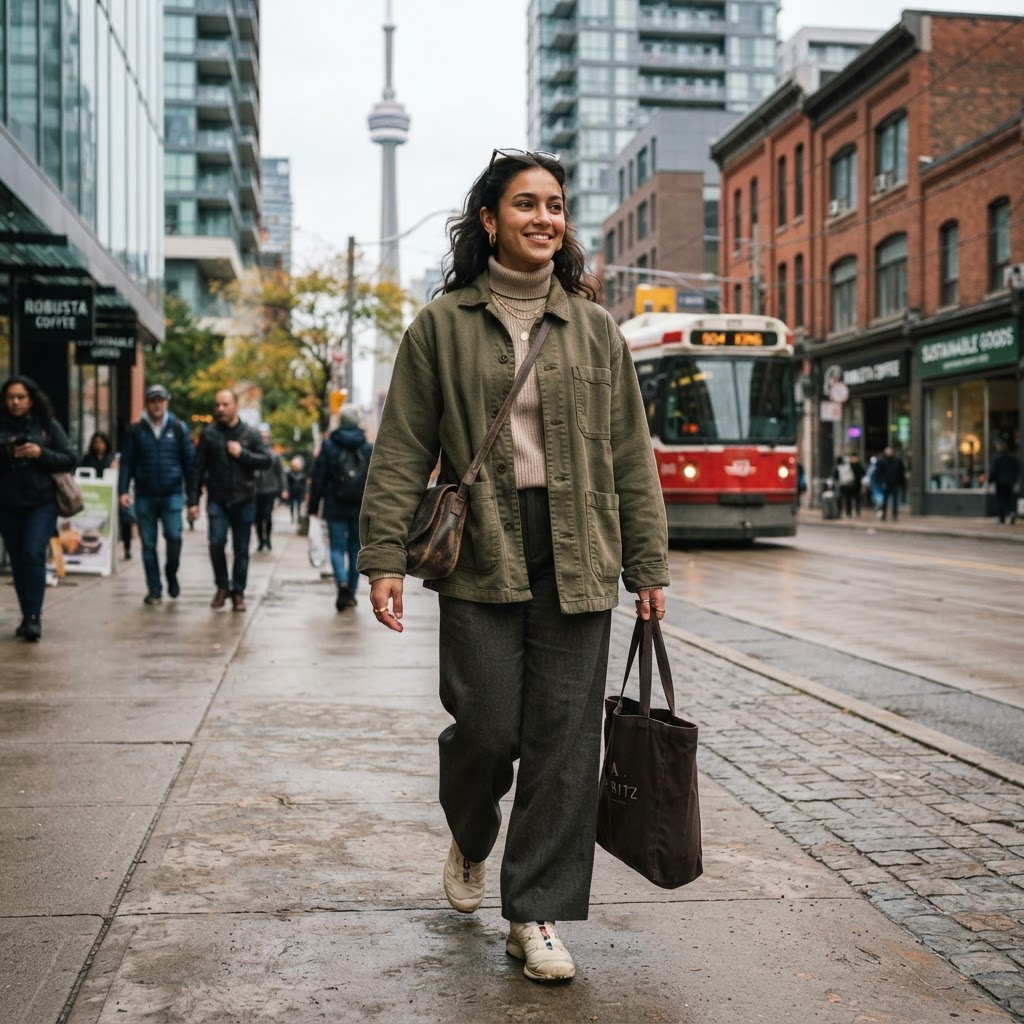
Sustainable Streetwear: Building a Conscious Wardrobe for 2026
The landscape of Canadian fashion is shifting. In 2026, the 'cool' factor is no longer just about the latest drop or the most exclusive collaboration; it is about the story behind the garment. Sustainable streetwear has moved from a niche movement to a fundamental pillar of modern style, proving that you do not have to sacrifice aesthetics to be an eco-conscious consumer. Building a conscious wardrobe is about intentionality, longevity, and supporting brands that prioritize the planet as much as their design language.
Understanding the New Standard of Streetwear
True sustainable streetwear is defined by more than just organic cotton. It is about a holistic approach to production. As we navigate 2026, the industry is moving away from vague 'eco-friendly' marketing toward radical transparency. When shopping, look for brands that prioritize longevity—pieces designed to last years, not seasons. This includes brands that offer repair programs, take-back initiatives, or utilize on-demand production models to minimize excess inventory. Avoid brands that treat sustainability as a single 'green' line within a massive fast-fashion operation; instead, seek out labels where ethical production is the core mission.
Canadian Brands Leading the Charge
Canada is home to a vibrant ecosystem of streetwear labels that are proving sustainability is the future. Ottawa’s Raised by Wolves continues to set the bar for technical, durable streetwear designed for our diverse climate, often collaborating with local manufacturers like Barbarian Sports Wear in Kitchener to keep production close to home. Meanwhile, Ontario-based 4YE is bridging the gap between community and clothing, proving that streetwear can be deeply rooted in cultural heritage while maintaining a modern, conscious edge. Supporting these local innovators reduces your carbon footprint while keeping your style uniquely Canadian.
Curating Your Conscious Closet
Building a sustainable wardrobe is a marathon, not a sprint. Start by investing in timeless, versatile pieces that can transition across seasons. Think high-quality hoodies, durable cargo pants, and minimalist basics that serve as the foundation for your look. Brands like Pangaia have become leaders in this space, utilizing science-backed, biodegradable materials and innovative dyes. When you do shop, prioritize premium, eco-friendly fabrics like hemp, recycled cotton, and linen, which offer both durability and a lower environmental impact.
Beyond Buying: The Power of Circularity
One of the most effective ways to build a sustainable wardrobe is to embrace circularity. Thrifting and upcycling are no longer just budget-friendly alternatives; they are essential tools for the modern fashionista. Platforms like ReMode Montreal and local clothing swaps are excellent ways to refresh your style without contributing to landfill waste. Additionally, learning basic repair skills—like sewing on a button or patching a tear—can extend the life of your favorite pieces by years. Remember, the most sustainable item in your closet is the one you already own.
Final Thoughts for the Conscious Consumer
As we look toward the future of fashion, remember that your purchasing power is a vote for the kind of world you want to live in. By choosing brands that value ethical labor, transparent supply chains, and high-quality materials, you are helping to redefine what it means to be 'on trend.' In 2026, the ultimate flex is a wardrobe that looks good, feels good, and does good. Stay curious, keep exploring local labels, and continue to prioritize substance alongside style.
Comments (0)
Sign in to leave a comment
No comments yet. Be the first to comment!