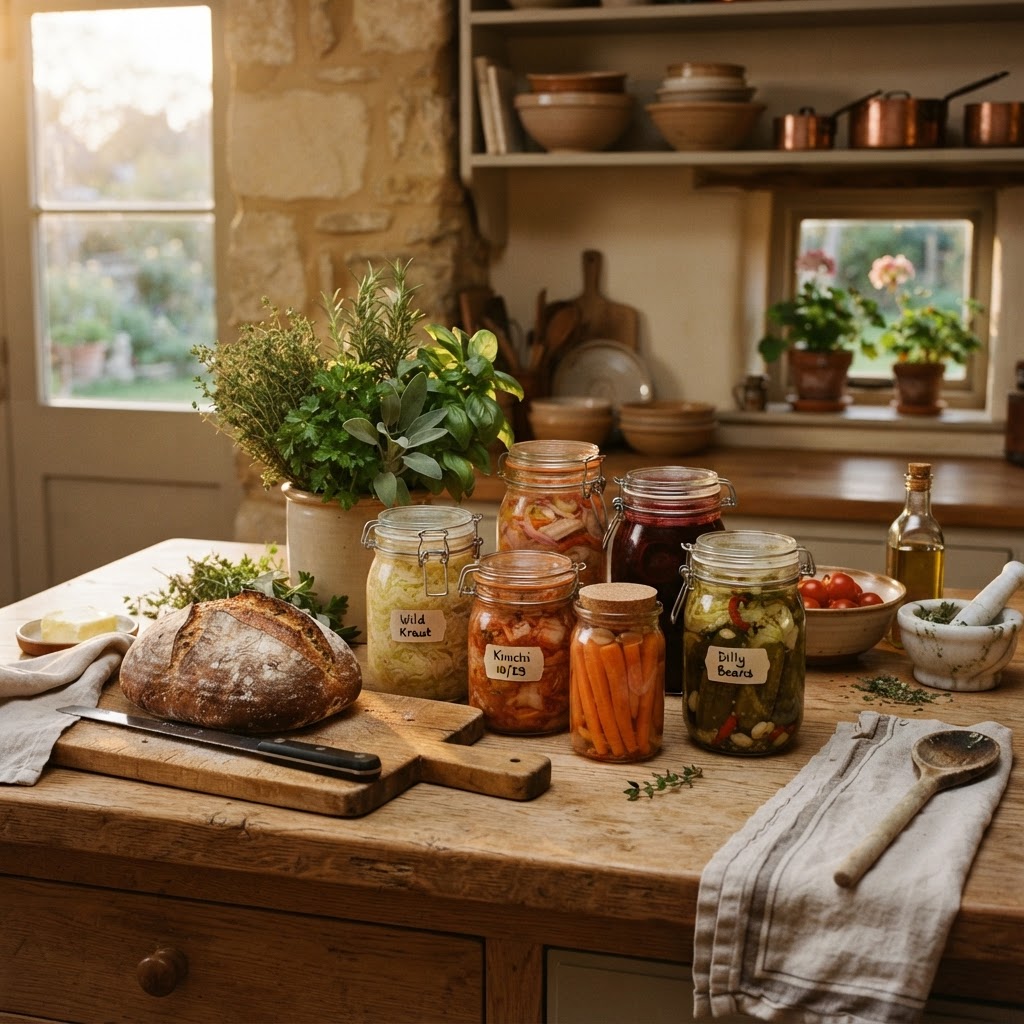
The Return of Tradition: Why Fermented and Preserved Foods Are Taking Over Canadian Kitchens
In an era defined by rapid technological advancement and the constant hum of digital noise, there is a quiet, bubbling revolution taking place in Canadian kitchens. As we move deeper into 2027, a significant shift in our culinary landscape is emerging: a collective return to the time-tested traditions of our ancestors. Whether it is the tangy complexity of a homemade sauerkraut, the deep, restorative warmth of a slow-simmered bone broth, or the art of pickling seasonal harvests, Canadians are trading convenience for connection, authenticity, and gut-health-focused wellness.
This movement, identified by the Canadian Health Food Association as a top trend for 2027, is more than just a passing fad. It represents a fundamental pivot toward simplicity. After years of relying on long, complex ingredient lists and ultra-processed convenience foods, many Canadians are finding that the most nourishing path forward is actually a look back. By embracing techniques like fermenting, curing, and slow-cooking, we are reclaiming control over our food systems and fostering a deeper appreciation for the ingredients that sustain us.
At its core, fermentation is a beautiful marriage of science and history. Long before the advent of modern refrigeration, fermentation was a necessity—a brilliant strategy to preserve perishable foods and ensure survival through harsh Canadian winters. Today, we are rediscovering these benefits through a modern lens. Fermented foods like kefir, kimchi, and sourdough are not only celebrated for their unique, vibrant flavors but are increasingly recognized by researchers for their potential to support gut health and overall well-being. As noted by experts, the process of fermentation essentially 'pre-digests' food, making nutrients more bioavailable and introducing beneficial microorganisms into our diets.
For the modern Canadian home cook, getting started is surprisingly accessible. You don't need a professional kitchen to participate in this revival. Start small by experimenting with a 'ginger bug' to create your own naturally carbonated sodas, or try your hand at a simple salt-brined pickle using local cucumbers from your nearest farmers' market. These practices offer a tangible way to engage with the seasons, reducing food waste while creating products that are far superior to their store-bought counterparts.
Beyond the health benefits, there is a profound sense of satisfaction in the 'slow' approach to cooking. In a culture that often prioritizes speed, the act of simmering a broth for twelve hours or waiting for a jar of vegetables to ferment is a form of mindfulness. It forces us to slow down, observe the transformation of raw ingredients, and practice patience. This is the essence of the 2027 wellness movement: finding joy in the process rather than just the end result.
This trend also honors the rich, diverse culinary heritage of Canada. From Indigenous practices of smoking and preserving meats to the various immigrant traditions that have shaped our national palate, these techniques are deeply embedded in our history. By integrating these methods into our daily routines, we are not only nourishing our bodies but also celebrating the cultural tapestry that makes Canadian cuisine so unique. Whether you are a seasoned chef or a curious beginner, there has never been a better time to clear some counter space, grab a mason jar, and start your own tradition. The return to our roots is proving to be the most delicious trend of the year.
Comments (0)
Sign in to leave a comment
No comments yet. Be the first to comment!