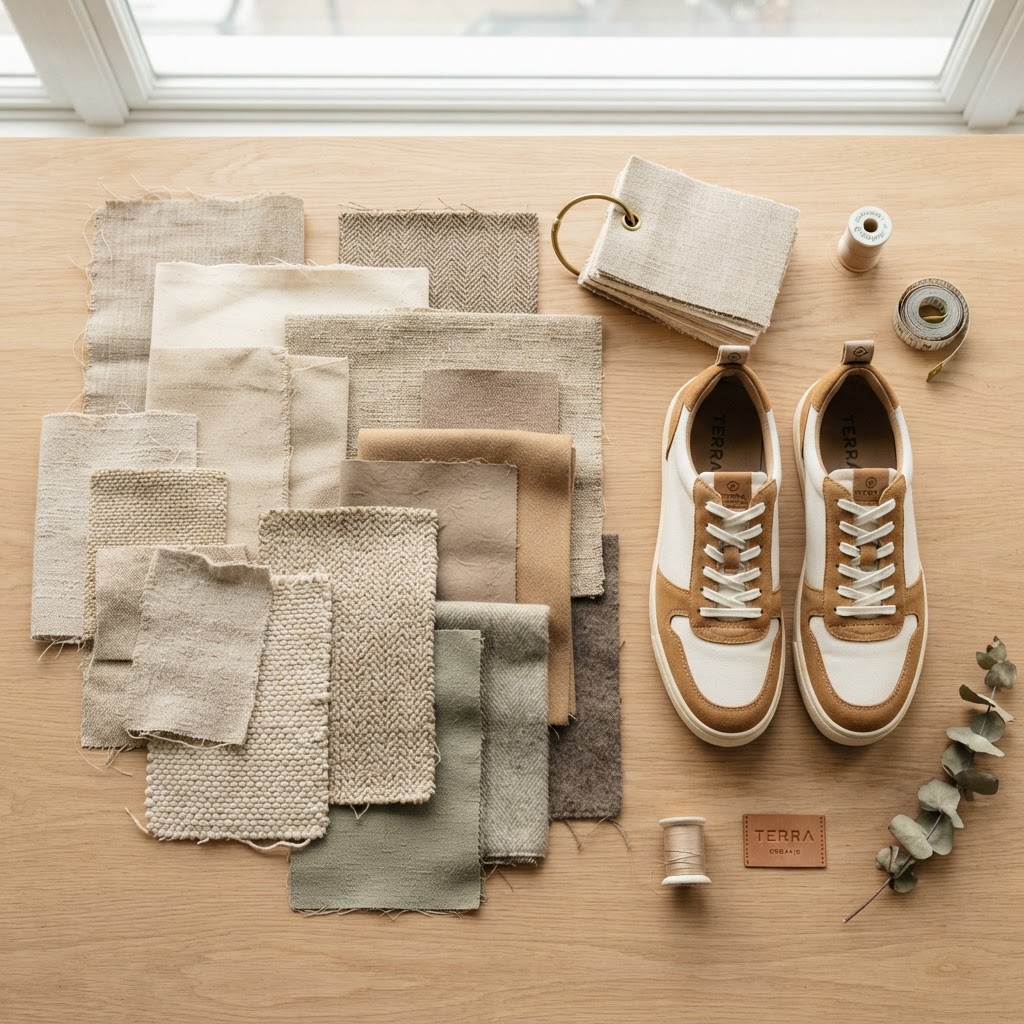
The Sustainable Shift: How Canadian Fashion Brands Are Leading the Organic Fabric Revolution
The landscape of Canadian fashion is undergoing a profound transformation. As consumers become increasingly aware of the environmental impact of their wardrobes, a new wave of local designers is stepping up to redefine what it means to be stylish. Moving away from the disposable nature of fast fashion, these innovators are championing a sustainable shift, prioritizing organic fabrics and circular manufacturing processes to meet the growing demand for eco-conscious apparel. From the rugged coastlines of British Columbia to the bustling design studios of Toronto and Montreal, Canada is quietly becoming a global leader in the organic fabric revolution.
At the heart of this movement is a return to nature. Designers are increasingly turning to high-performance, low-impact materials like organic cotton and hemp. Hemp, in particular, is gaining traction for its remarkable environmental credentials; it requires minimal water, is naturally resistant to pests, and produces one of the most durable textiles available. When blended with organic cotton, these materials create garments that are not only breathable and soft but also built to withstand the test of time. Brands like Aleur are leading this charge, offering loungewear that proves comfort and sustainability are not mutually exclusive.
Beyond raw materials, the industry is embracing the circular economy. The concept of 'waste' is being reimagined as a resource. Companies like ANIÁN are at the forefront of this, sourcing recycled textiles to create high-quality garments that reduce the need for virgin materials. Similarly, &OR Collective utilizes advanced technology to minimize waste during production, ensuring that every piece of clothing is designed with its end-of-life in mind, often through recycling partnerships like SuperCircle. This shift is essential in a country where, as research suggests, even items labeled as '100% cotton' can sometimes hide synthetic plastics, making transparency more important than ever.
For the modern Canadian consumer, supporting this revolution is easier than ever. Brands like Encircled and MiiK have perfected the art of the capsule wardrobe, creating versatile, ethically-made pieces in Canada that encourage us to buy less and wear more. Ecologyst, a certified B Corporation based in Victoria, further exemplifies this commitment by manufacturing locally using natural fibers like Merino wool and linen, ensuring that the environmental footprint of every garment is kept to a minimum. These brands are not just selling clothes; they are selling a philosophy of intentional living.
How can you participate in this shift? Start by auditing your own closet. Look for certifications like OEKO-TEX, which ensure fabrics are free from harmful substances. Prioritize brands that are transparent about their supply chains and manufacturing locations. When shopping, ask yourself if a piece is versatile enough to be worn in multiple settings—a hallmark of the capsule wardrobe movement. By choosing quality over quantity and supporting local designers who prioritize the planet, you are casting a vote for a more sustainable future. The revolution is here, and it looks remarkably good.
Comments (0)
Sign in to leave a comment
No comments yet. Be the first to comment!