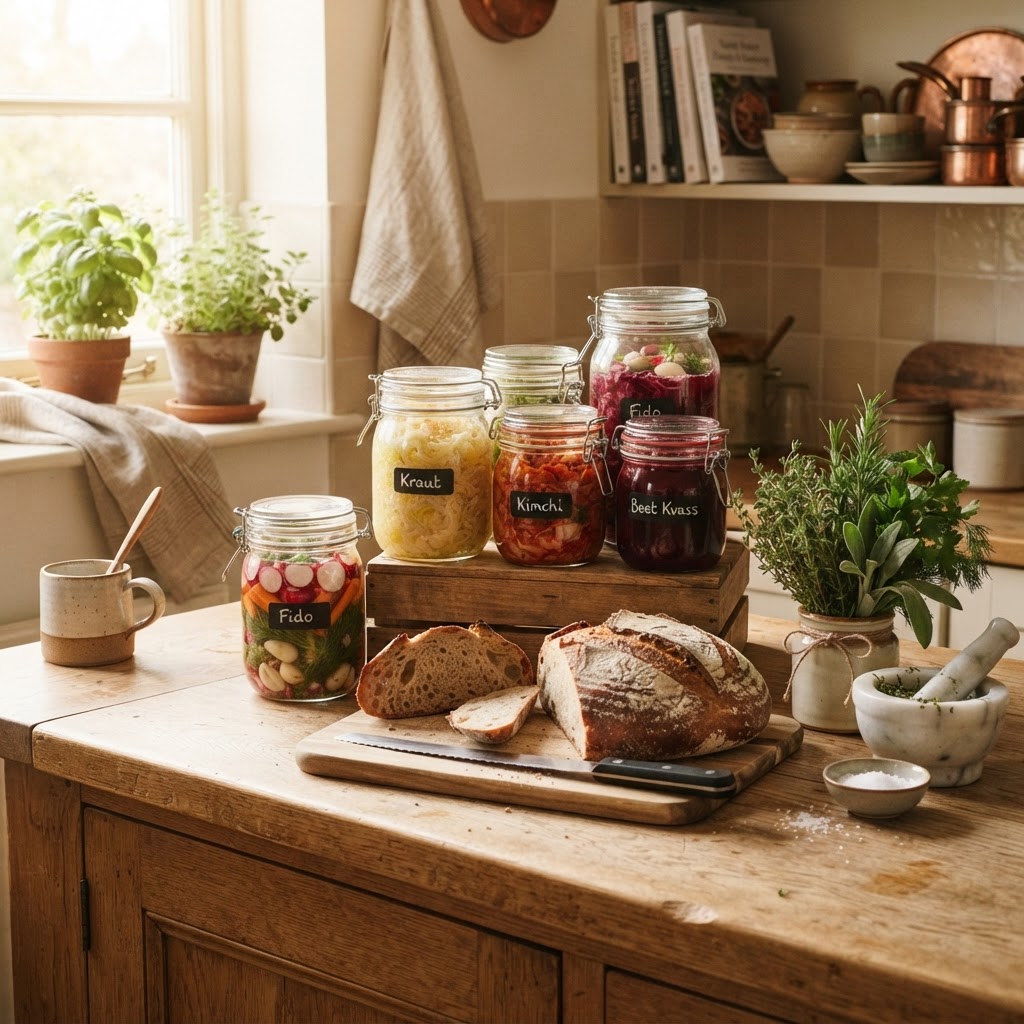
Back to Basics: Why Fermented and Preserved Foods Are Taking Over Canadian Kitchens
In an era defined by instant gratification and global supply chains, there is a quiet, bubbling revolution happening in Canadian kitchens from coast to coast. We are seeing a resurgence of age-old preservation techniques—pickling, fermenting, and culturing—that our ancestors relied on for survival. Today, however, this shift is driven by a desire for authenticity, a connection to the land, and a growing awareness of the profound link between our gut health and our overall well-being. As we look to simplify our lives, the humble fermentation jar has become a symbol of modern culinary mindfulness.
Why the sudden interest in these traditional methods? For many Canadians, it is about reclaiming control over what we eat. Fermentation is not just a way to extend the shelf life of local produce; it is a transformative process that turns the ordinary into the extraordinary. By introducing beneficial microcultures to food, we can enhance nutritional value, aid digestion, and support our immune systems. It is a practice that bridges the gap between historical necessity and contemporary health science, with researchers now investigating the potential of 'ferment-ceuticals' to improve cardiometabolic health and lower disease risk.
Beyond the health benefits, there is a deep cultural resonance to these practices. Across Canada, fermented foods represent a tapestry of traditions—from Indigenous practices adapted to our diverse ecologies to the rich culinary heritage brought by immigrant communities. Whether it is the tangy crunch of a homemade sauerkraut or the complex profile of a locally brewed kombucha, these foods connect us to the earth and the farming process. As noted by culinary experts, the modern consumer craves this connection; they want to know where their food comes from and how it was prepared, making the act of preserving a deeply satisfying, hands-on experience.
Getting started in your own kitchen is more accessible than you might think. You do not need a professional lab to begin; a simple fermentation jug, some high-quality salt, and fresh, seasonal vegetables are often all it takes. For those looking to dip their toes into the world of fermentation, kimchi is a fantastic starting point. By submerging cabbage, daikon radish, and carrots in a salt brine and allowing them to ferment with aromatics like ginger, garlic, and gochujang, you can create a probiotic-rich staple that keeps for months in the refrigerator. It is a perfect example of how we can reduce kitchen waste by utilizing every part of our produce while creating something delicious.
It is important, however, to distinguish between the different types of preservation. While all fermented foods are preserved, not all preserved foods are fermented. Naturally fermented pickles found in the refrigerated section of your local grocer contain live, active bacteria that support gut health. In contrast, many shelf-stable pickles found in the center aisles are preserved using vinegar and heat, which, while tasty, do not offer the same probiotic benefits. When shopping, look for products that highlight their fermentation process, or better yet, try your hand at making your own to ensure you are getting the full spectrum of health benefits.
As we look toward the future, the conversation around these foods is only growing louder. With initiatives like the Canadian Fermented Foods Initiative working to bring these traditions into clinical guidance and potentially even Canada’s Food Guide, we are witnessing a shift in how our nation views nutrition. We are moving away from the hyper-processed and toward the living, breathing, and deeply traditional. By embracing these basics, we are not just preserving food; we are preserving a way of life that values patience, health, and the simple joy of creating something truly nourishing with our own hands.
Comments (0)
Sign in to leave a comment
No comments yet. Be the first to comment!