Sustainable Luxury: Investing in Organic Cotton and Hemp Blends for 2026
As we navigate the fashion landscape of 2026, the definition of luxury is undergoing a profound transformation. For the modern Canadian consumer, true opulence is no longer just about the label or the price tag; it is about the story behind the garment. We are witnessing a decisive shift toward conscious consumption, where durability, ethical production, and environmental stewardship take center stage. At the heart of this movement lies a powerful textile partnership: the blend of organic cotton and hemp.
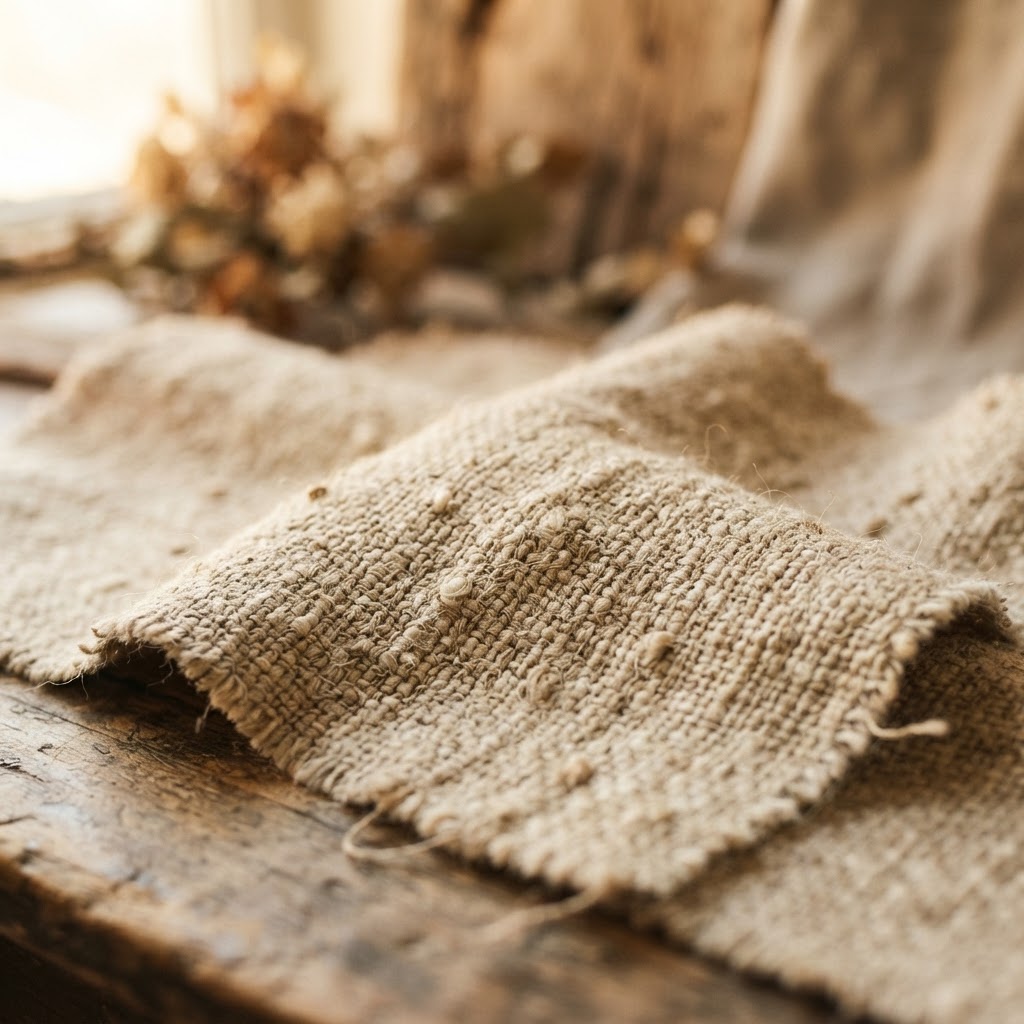
Why are these two fibers becoming the gold standard for sustainable living? To understand their appeal, we must look at their individual strengths. Organic cotton is celebrated for its softness and reduced chemical footprint, provided it carries reliable certifications like the Global Organic Textile Standard (GOTS). However, when paired with hemp—a crop that requires minimal water, no pesticides, and grows with incredible resilience—the result is a fabric that outperforms conventional alternatives in almost every metric. Hemp provides the structural integrity and durability that cotton sometimes lacks, while the cotton softens the natural coarseness of the hemp fiber, creating a luxurious, breathable, and long-lasting material.
For Canadians, investing in these blends is a practical choice for our diverse climate. Hemp is naturally insulating and absorbent, making it an ideal choice for transitional weather. Whether you are looking for a structured blazer for the office or a soft, breathable T-shirt for weekend layering, these blends offer a versatility that synthetic fabrics simply cannot match. Furthermore, because these garments are built to last, they align perfectly with the growing trend of circular fashion, where the goal is to extend the lifecycle of every piece in your closet.
When shopping for these items, look for transparency. In 2026, the most reputable brands are those that can trace their supply chain from farm to mill. Canadian brands like Kotn and Frank & Oak have set a high bar for ethical practices, and many smaller, independent designers are now following suit by sourcing regenerative materials. When you see a higher price point—often ranging from $70 for a premium tee to over $200 for a well-constructed dress—remember that this reflects the real cost of fair wages and responsible farming. It is an investment in a garment that will not end up in a landfill after a single season.
To make the most of your sustainable wardrobe, start by prioritizing quality over quantity. Look for the "Made in Canada" label, which serves as a powerful trust signal for ethical manufacturing. When you purchase a hemp-cotton blend, you are not just buying a piece of clothing; you are supporting a regional supply chain and reducing your personal environmental impact. As the secondhand market continues to grow, these high-quality, durable pieces also hold their value, making them excellent candidates for resale or donation, further contributing to a circular economy.
Ultimately, the shift toward organic cotton and hemp blends is about aligning your personal style with your values. By choosing materials that are kind to the earth and the people who produce them, you are participating in a larger movement that values longevity and integrity. As we look toward the future of fashion, let your wardrobe be a reflection of the world you want to live in—one that is thoughtful, sustainable, and undeniably stylish.
Comments (0)
Sign in to leave a comment
No comments yet. Be the first to comment!