The Rise of Traditional Wellness: Why Canadians Are Returning to Fermented and Preserved Foods
In an era defined by rapid technological advancement and complex, ultra-processed food labels, a quiet revolution is taking place in Canadian kitchens. We are witnessing a significant shift away from the 'science-lab' approach to nutrition and a heartfelt return to the pantry staples of our ancestors. According to recent insights from the Canadian Health Food Association (CHFA), this movement—often categorized as 'Passed Down: Tradition Makes a Comeback'—is reshaping how we think about health, simplicity, and the very nature of the food we consume [5].
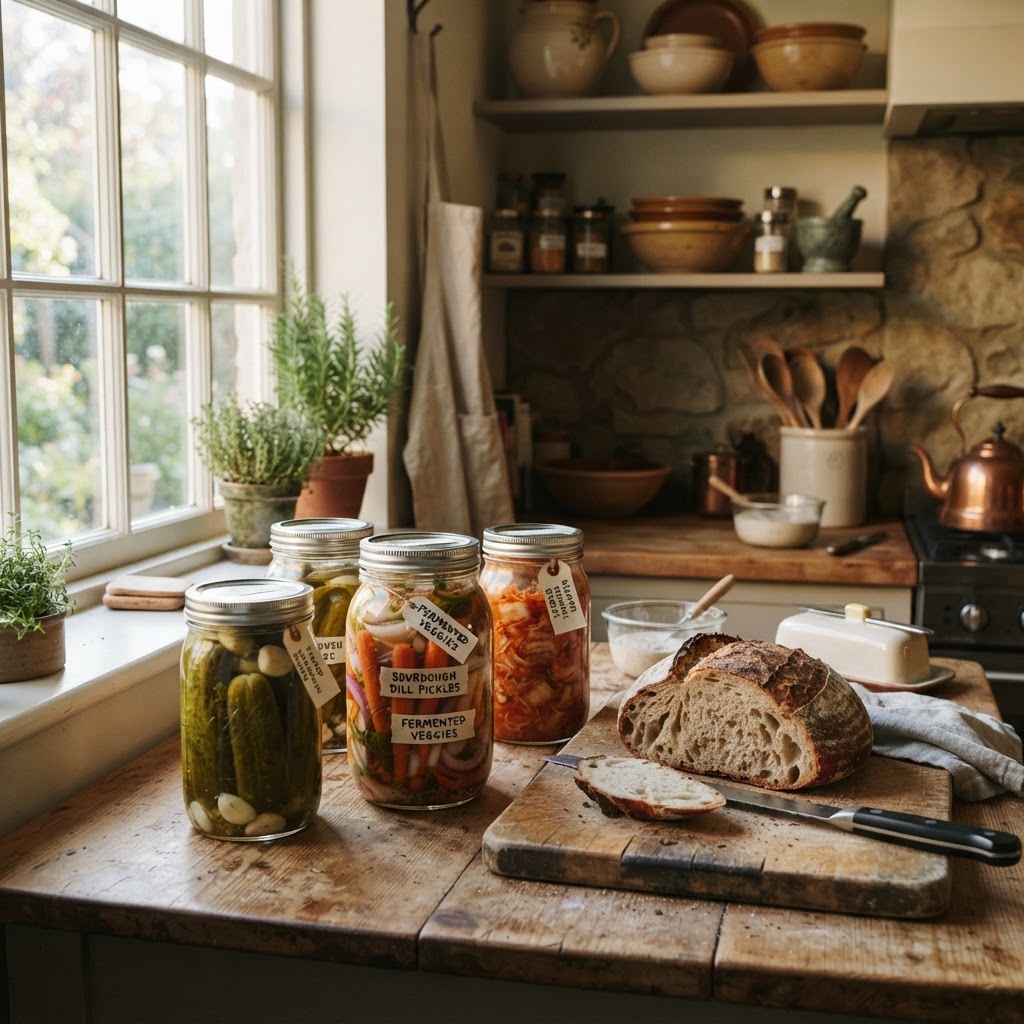
For years, the wellness industry was dominated by hyper-specific supplements and long, unrecognizable ingredient lists. However, the modern Canadian consumer is increasingly seeking authenticity. We are moving toward time-tested traditions: foods that are simmered, fermented, baked, pickled, and preserved using techniques passed down through generations [5]. This isn't just a nostalgic trend; it is a conscious rejection of complexity in favor of transparency and gut-health-focused nourishment [5, 8].
Why the sudden shift? The answer lies in a desire for a deeper connection to our food. When you open a jar of locally made sauerkraut or enjoy a bowl of slow-simmered bone broth, you aren't just eating; you are participating in a culinary lineage. Fermentation, in particular, has moved from the fringes of health food stores to the center of the Canadian diet. With new initiatives like the Canadian Fermented Foods Initiative gaining traction, there is a growing national awareness of how these living foods support our microbiome and overall vitality [8].
For the busy Canadian, this return to tradition doesn't have to mean spending days in the kitchen. The beauty of this trend is its accessibility. You can start by swapping out mass-produced condiments for artisanal, fermented alternatives like raw kimchi or naturally pickled vegetables found at your local farmers' market or health food store. These products often feature short, clean ingredient lists—a hallmark of the 'better-for-you' movement that the CHFA continues to champion [3, 5].
If you are looking to incorporate these traditional practices into your own life, consider these actionable steps. First, prioritize 'living' foods. Look for labels that specify 'naturally fermented' or 'unpasteurized' to ensure you are getting the probiotic benefits. Second, embrace the art of the slow simmer. Making your own bone broth or vegetable stock is a simple way to reclaim your kitchen, reduce food waste, and provide your body with nutrient-dense, anti-inflammatory support [6, 7].
This trend is also a win for the Canadian economy. By supporting emerging brands that focus on traditional preservation methods—many of which are being spotlighted in programs like The Greenhouse at CHFA NOW—you are helping to build a more sustainable and resilient food system [5]. These brands are proving that you don't need artificial preservatives to create shelf-stable, delicious, and healthy products [3].
As we look toward the future of wellness in Canada, it is clear that the most innovative path forward is one that looks back. By embracing the wisdom of the past, we are finding a more balanced, authentic, and sustainable way to nourish ourselves. Whether it is the tang of a perfectly fermented pickle or the comfort of a traditional slow-cooked meal, these practices are more than just food—they are a return to the roots of what it means to live well.
Comments (0)
Sign in to leave a comment
No comments yet. Be the first to comment!