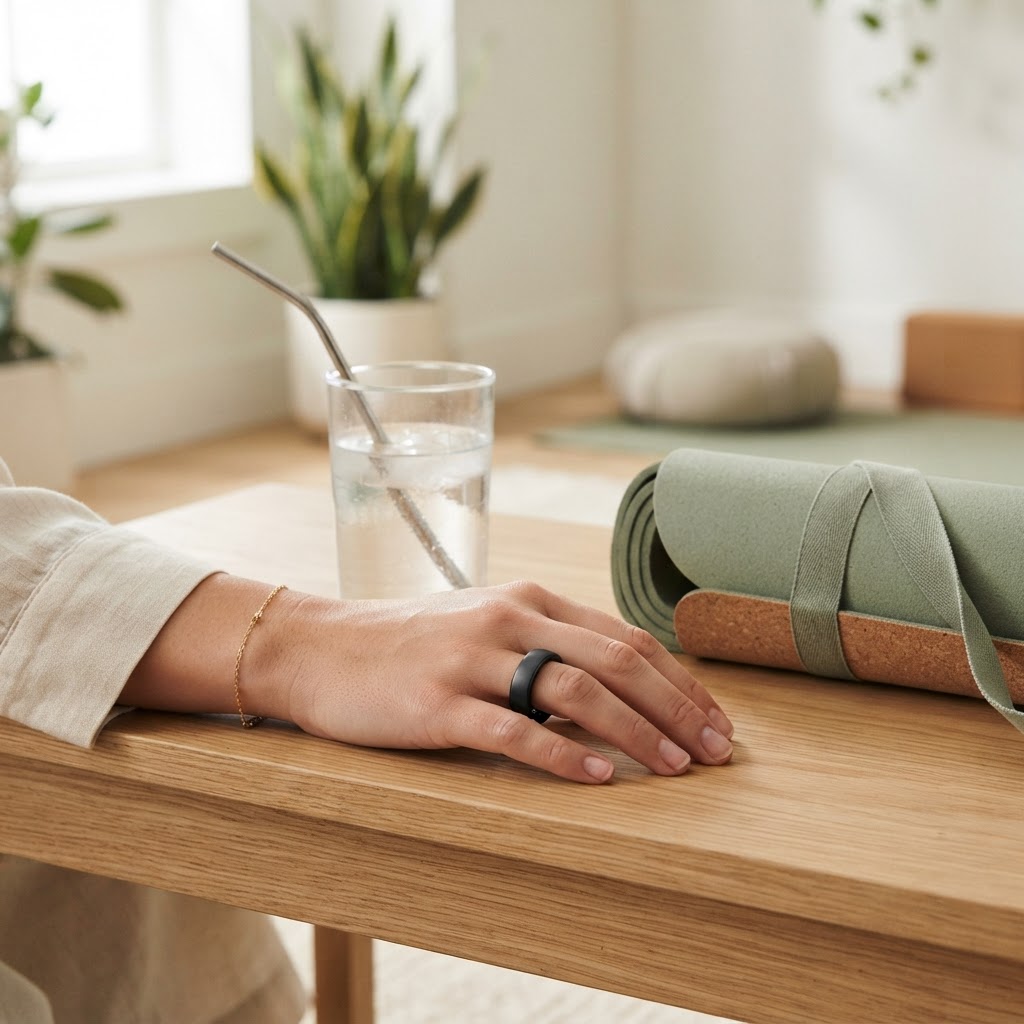
The Smart Ring Revolution: Why Fitness Tech is Getting Smaller
In the fast-paced world of Canadian lifestyle and wellness, the era of the bulky, screen-heavy fitness tracker is quietly coming to an end. As we navigate through 2026, a new trend is taking hold from the streets of Toronto to the mountains of British Columbia: the smart ring. These miniature marvels of engineering are proving that when it comes to health tracking, less is truly more. By blending high-end aesthetics with clinical-grade sensors, smart rings have become the ultimate accessory for the modern, health-conscious Canadian.
Why the sudden shift? For years, fitness enthusiasts were tethered to large wrist-worn devices that often felt more like a distraction than a tool. Today’s consumer is looking for something different—a device that integrates seamlessly into a professional wardrobe or a casual weekend outfit without screaming 'tech gadget.' Whether you are heading to a boardroom meeting in downtown Calgary or hitting a pilates class in Montreal, a smart ring offers a discreet way to monitor your health metrics without the constant ping of notifications or the glow of a screen.
Beyond their sleek appearance, the technology packed into these rings is nothing short of transformative. Modern iterations, such as the latest generation of the Oura Ring, have become 40% smaller than their predecessors, making them lighter and more comfortable for 24/7 wear. This is crucial for accurate sleep tracking and recovery monitoring, as a device that feels like a natural piece of jewelry is far more likely to be worn consistently. With upgraded precision sensors, these rings now track over 50 metrics, including heart rate variability (HRV), skin temperature, and even insights related to GLP-1 usage, providing a comprehensive picture of your internal health.
For Canadians, the appeal goes beyond just data. We are living in a time where wellness is becoming increasingly personalized. The 2026 market is seeing a surge in demand for premium materials like titanium, gold, and ceramic, positioning these rings as genuine fashion statements. This shift allows users to prioritize their health goals—like tracking activity levels or optimizing sleep—without compromising their personal style. It is the perfect marriage of form and function, catering to those who value elegance as much as they value their fitness data.
If you are considering making the switch, here are a few actionable insights to keep in mind. First, prioritize comfort and fit; because these devices rely on consistent skin contact for accuracy, choosing the right size is paramount. Second, look for devices that offer robust app ecosystems that integrate with your existing health platforms. Finally, consider your specific goals. Are you looking for deep sleep analysis, or are you more focused on daily activity and heart rate trends? With the market projected to grow significantly over the next decade, there is a device tailored to every lifestyle.
As we continue to embrace the 'less is more' philosophy in our daily lives, the smart ring stands out as a beacon of innovation. It is a reminder that the most powerful tools are often the ones that work quietly in the background, empowering us to live healthier, more balanced lives without the noise. Whether you are a tech enthusiast or simply someone looking to optimize your daily routine, the smart ring revolution is one trend that is here to stay.
Comments (0)
Sign in to leave a comment
No comments yet. Be the first to comment!