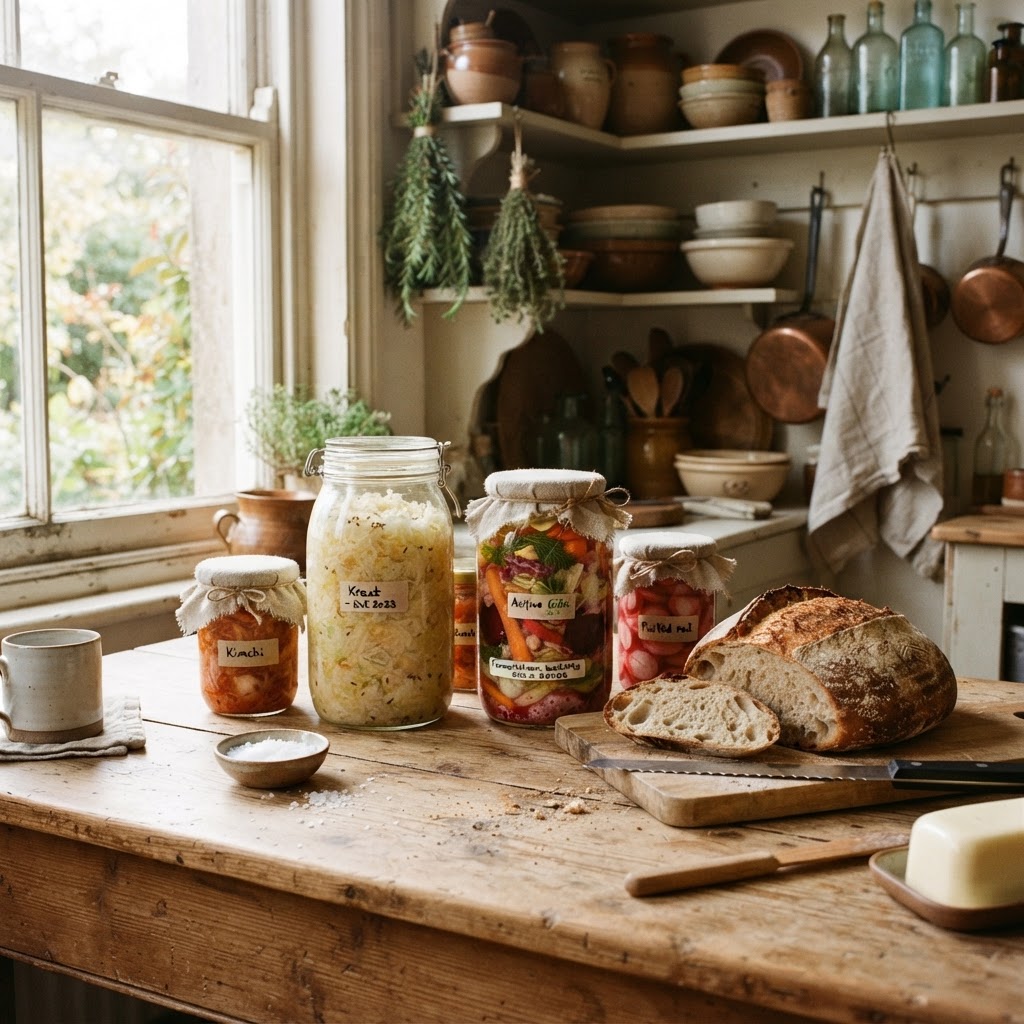
The Return to Roots: Why Fermented and Traditional Foods Are Trending in Canada
In an era defined by rapid technological advancement and complex, ultra-processed ingredient lists, a quiet revolution is taking place in Canadian kitchens. We are witnessing a profound 'return to roots,' where the modern consumer is trading convenience for connection, and complexity for the time-tested wisdom of our ancestors. Across the country, from the bustling markets of Toronto to the artisanal kitchens of Vancouver, there is a renewed obsession with the art of pickling, fermenting, and slow-simmering. This shift isn't just a fleeting aesthetic trend; it is a fundamental change in how we define nourishment.
Why are we looking backward to move forward? The answer lies in the intersection of health, economy, and a desire for transparency. As Canadian shoppers become increasingly educated about their food sources, the demand for 'clean labels' has surged by over 132% in the last year. Consumers are no longer satisfied with products that simply taste good; they want food that performs—supporting gut health, managing inflammation, and providing genuine energy. Fermented staples like kefir, miso, tempeh, and traditional sauerkraut are moving from niche health stores to the center of the Canadian plate, offering a natural, intuitive way to support the microbiome.
This movement is also deeply rooted in the Canadian culinary identity. Our food history is built on preservation—think of the curing techniques behind Montreal-style smoked meat or the heritage of peameal bacon. Today, this tradition is being reimagined through a modern lens. The launch of the Canadian Fermented Foods Initiative (CFFI) highlights this momentum, bringing together scientists and chefs to validate what many cultures have practiced for centuries: that the alchemy of fermentation is a cornerstone of human health. Experts are even advocating for these foods to be formally recognized in Canada’s Food Guide, signaling a shift toward integrating ancient wisdom into modern dietary policy.
For the home cook, this trend offers a path to both savings and creativity. In a time of economic uncertainty, the ability to transform simple, affordable ingredients into complex, flavor-forward meals is a superpower. Fermentation allows us to reduce food waste—a concept similar to the 'head-to-tail' cooking traditions of Indigenous peoples—by preserving seasonal harvests. Whether it is experimenting with a sourdough starter, brewing your own kombucha, or mastering the slow-simmer of a heritage-grain stew, the kitchen is becoming a laboratory for self-reliance.
To embrace this trend, start small. You don't need to be a master chef to incorporate these traditions into your daily routine. Begin by swapping store-bought condiments for fermented hot sauces or probiotic-rich pickles. Seek out local bakeries that prioritize heritage wheats and long-fermentation sourdough processes. By choosing foods that have been crafted with time rather than industrial speed, you are not only supporting local producers but also investing in your own long-term wellness. The return to our culinary roots is more than a trend; it is a sustainable, delicious, and deeply human way to eat in the modern world.
Comments (0)
Sign in to leave a comment
No comments yet. Be the first to comment!