Back to Basics: Why Traditional Fermented Foods are Trending in 2027
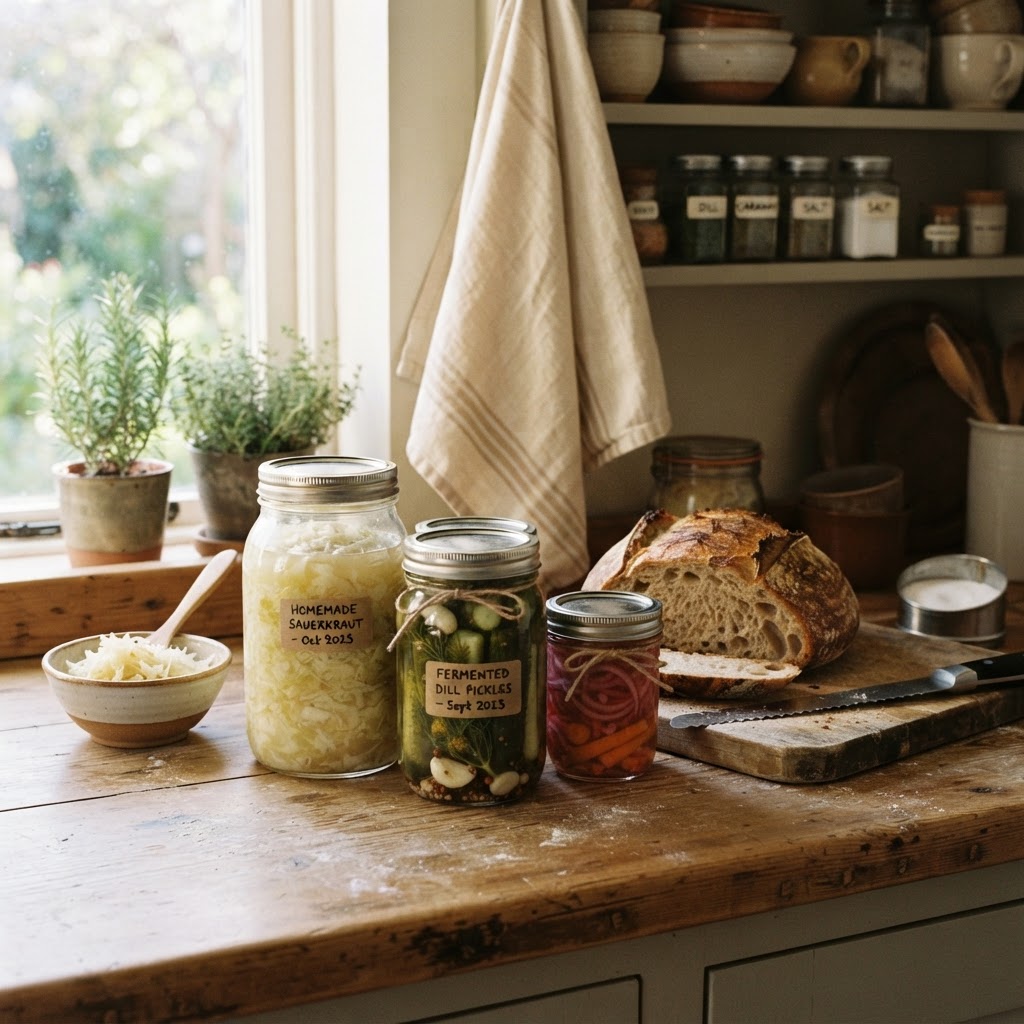
In the fast-paced world of modern nutrition, where ingredient lists often read like chemistry experiments, a refreshing shift is taking place across Canadian kitchens. According to the latest insights from the Canadian Health Food Association (CHFA), 2027 is the year we collectively hit the reset button. The trend, aptly titled 'Passed Down: Tradition Makes a Comeback,' highlights a growing consumer desire to move away from complex, ultra-processed wellness fads and return to the time-tested methods of our ancestors. Whether it is the tang of house-made sauerkraut or the complexity of a long-simmered bone broth, traditional food preparation is officially back in vogue.
Why the sudden resurgence? The answer lies in a craving for authenticity. As we navigate an era of information overload, Canadians are increasingly seeking simplicity. We want to know exactly what is in our food and where it comes from. Fermentation, pickling, and slow-simmering are not just culinary techniques; they are acts of connection to our heritage and our health. By embracing these methods, we are trading the convenience of the 'quick fix' for the deeper satisfaction of slow, intentional nourishment.
Beyond the nostalgia, there is a compelling scientific case for this return to basics. Fermented foods have long been celebrated for their potential health benefits, including improved gut health and enhanced nutrient profiles. During the fermentation process, lactic acid bacteria work to synthesize vitamins and minerals while removing non-nutrients, often resulting in foods that are easier to digest and richer in antioxidants. While research continues to evolve, the public interest in these 'living' foods—like kimchi, kefir, and kombucha—is at an all-time high, bridging the gap between ancient wisdom and modern dietary needs.
For the home cook, integrating these traditions into a busy Canadian lifestyle is easier than you might think. You do not need a professional kitchen to start. Begin by exploring the local aisles of your grocery store for high-quality, small-batch fermented products. Look for labels that emphasize 'raw' or 'unpasteurized' to ensure you are getting the full benefit of the live cultures. If you are feeling adventurous, try a simple weekend project like quick-pickling seasonal Canadian vegetables. A jar of vinegar-brined cucumbers or carrots is a perfect entry point into the world of preservation.
This movement is also reshaping the Canadian marketplace. As the CHFA highlights, we are seeing a wave of innovation where traditional techniques meet modern convenience. From air-dried meats to artisanal bone broths, Canadian producers are proving that you do not have to sacrifice quality for accessibility. By supporting these local brands, you are not just buying a product; you are participating in a movement that values sustainability, transparency, and the preservation of culinary craft.
As we move through 2027, let this be your invitation to slow down. Whether you are fermenting your first batch of cabbage or simply choosing more traditional, whole-food options, you are part of a larger shift toward a more authentic way of living. It is time to embrace the basics—because sometimes, the best way forward is to look back at what has sustained us all along.
Comments (0)
Sign in to leave a comment
No comments yet. Be the first to comment!