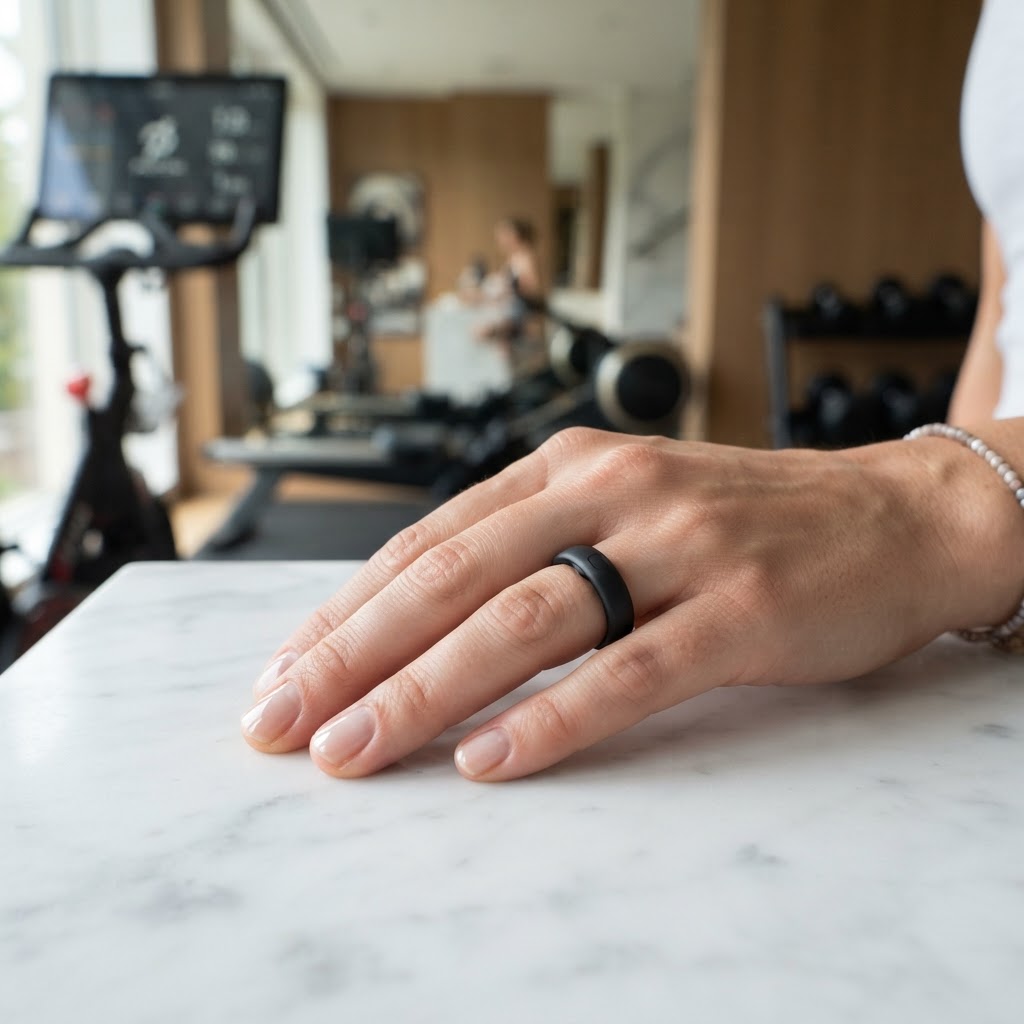
Beyond the Gym: How Smart Rings Are Changing the Wellness Game in 2026
For years, the fitness wearable market was dominated by the wrist. Whether you were hitting the trails in Banff or commuting through downtown Toronto, the glowing screen of a smartwatch was the universal symbol of the 'quantified self.' But as we move deeper into 2026, a subtle shift is occurring. Canadians are increasingly trading in their bulky wrist-worn devices for something far more discreet, comfortable, and—dare we say—stylish: the smart ring. The rise of the smart ring represents a fundamental change in how we approach health. We are moving away from the era of 'reactive' health—where we only check our vitals during an annual physical—toward a model of 'proactive' wellness. By miniaturizing clinically relevant sensors, these rings allow for continuous, quiet monitoring of heart rate, heart rate variability (HRV), blood oxygen, and body temperature without the constant distraction of notifications or glowing screens. One of the primary drivers of this trend is the 'engagement gap.' While first-generation wearables were passive data collectors, the new wave of devices, such as the VITA RING, is shifting toward active intervention. These rings don't just tell you that you slept poorly; they use AI to provide contextual insights, suggesting when to push harder in your workout and when to prioritize recovery. For the busy Canadian professional, this means actionable awareness that fits seamlessly into a suit or a gym outfit alike. Comfort is perhaps the most significant factor in this migration. Many users find that wearing a watch to bed is intrusive, with straps and bulkiness often disrupting sleep quality. Smart rings, by contrast, are designed to be 'set and forget.' Because they sit closer to the arteries and capillaries in the finger, they often provide more consistent data than a wrist strap, which can shift or loosen during movement. Whether you are a biohacker tracking metabolic health with an Ultrahuman Ring Pro or a minimalist professional opting for the CUDIS 002 Classic, the form factor allows you to maintain your personal style without sacrificing your health data. For those looking to integrate this tech into their lives, the market in 2026 offers diverse options. If you are an active individual, models like the CUDIS 002 Sporty Ring offer rugged durability and advanced recovery metrics without the burden of monthly subscription fees. Meanwhile, devices like the Oura Ring 5 continue to lead the pack in sleep ecosystem integration, providing deep, AI-driven insights that help users calibrate their daily routines for optimal performance. As we look toward the future of wellness, the message is clear: the best health technology is the kind that works in the background. By choosing a device that integrates into your life rather than demanding your attention, you can focus on what truly matters—living a balanced, healthy, and intentional life. Whether you are training for a marathon or simply trying to improve your sleep hygiene, the smart ring is proving to be the ultimate companion for the modern Canadian lifestyle.
Comments (0)
Sign in to leave a comment
No comments yet. Be the first to comment!