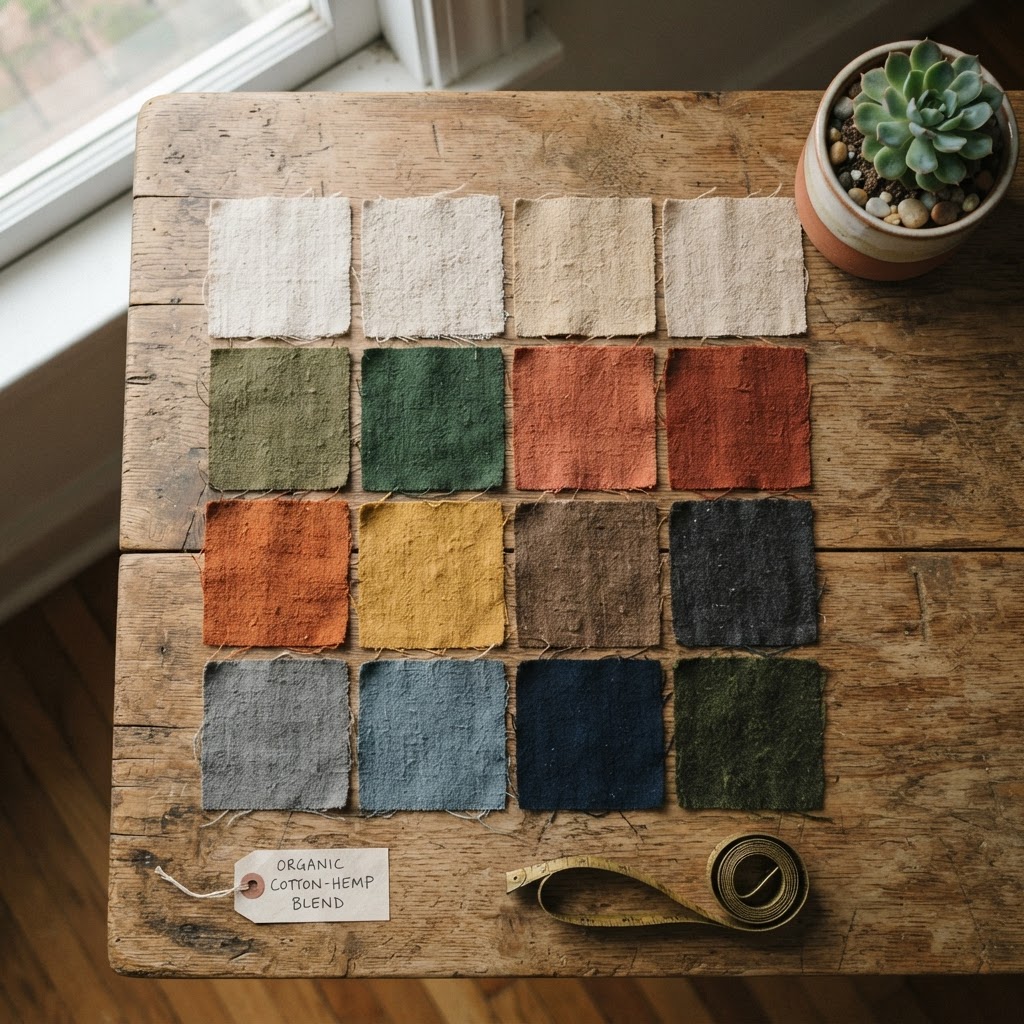
Sustainable Style: Why Organic Cotton-Hemp Blends Are the Future of Your Wardrobe
As we navigate the fashion landscape of 2026, the conversation has shifted from mere aesthetics to the lifecycle of our garments. For the modern Canadian consumer, building a wardrobe is no longer just about trends; it is about values. Among the innovations defining this year, the rise of organic cotton-hemp blends stands out as a game-changer for those seeking to balance durability, comfort, and environmental responsibility. Why are these two fibers better together? While pure hemp is celebrated for its near-indestructible nature and carbon-negative cultivation, it can feel crisp or stiff to the touch. Organic cotton, conversely, offers the softness we crave for daily wear. When blended—typically in a 45 to 55 percent ratio—you get the best of both worlds: the structural integrity and eco-credentials of hemp paired with the breathable, soft drape of cotton. The environmental case for this blend is compelling. Hemp is a high-yield crop that requires significantly less water than conventional cotton and acts as a carbon-negative powerhouse, capturing substantial CO2 during its growth cycle. By choosing organic cotton, you also ensure that your clothing is free from synthetic pesticides and herbicides, protecting both the soil and the farmers who cultivate the fiber. For Canadians, the 'Made in Canada' label remains a powerful trust signal. While much of the raw textile is imported due to limited domestic spinning capacity, many of our most innovative West Coast and urban labels are leading the way in design, cutting, and sewing these sustainable fabrics locally. Brands like Vancouver’s Tentree have long championed these materials, proving that you do not have to sacrifice style to support ethical manufacturing. Building a sustainable closet in 2026 requires a shift in mindset: prioritize lifespan over logos. While these garments may carry a higher price point than fast-fashion alternatives, their durability ensures a lower cost-per-wear over time. To maintain your pieces, remember that hemp-cotton blends are remarkably resilient. They machine-wash beautifully, but for the longest life, opt for line drying—a practice that saves energy and preserves the integrity of the fibers. When shopping, look for certifications like GOTS (Global Organic Textile Standard) to ensure your purchases are genuinely eco-friendly. As Gen Z and Millennial consumers continue to drive the demand for transparency, these labels are becoming the gold standard for ethical shopping. Whether you are looking for a sturdy pair of hemp-denim jeans or a soft, everyday jersey tee, choosing a blend is a simple, actionable step toward a more intentional wardrobe. By investing in these high-quality, earth-friendly materials, you are not just buying clothes; you are participating in a movement that values the future of our planet as much as the fit of your outfit.
Comments (0)
Sign in to leave a comment
No comments yet. Be the first to comment!