Heritage in the Kitchen: Why Canadians are Returning to Traditional Food Techniques
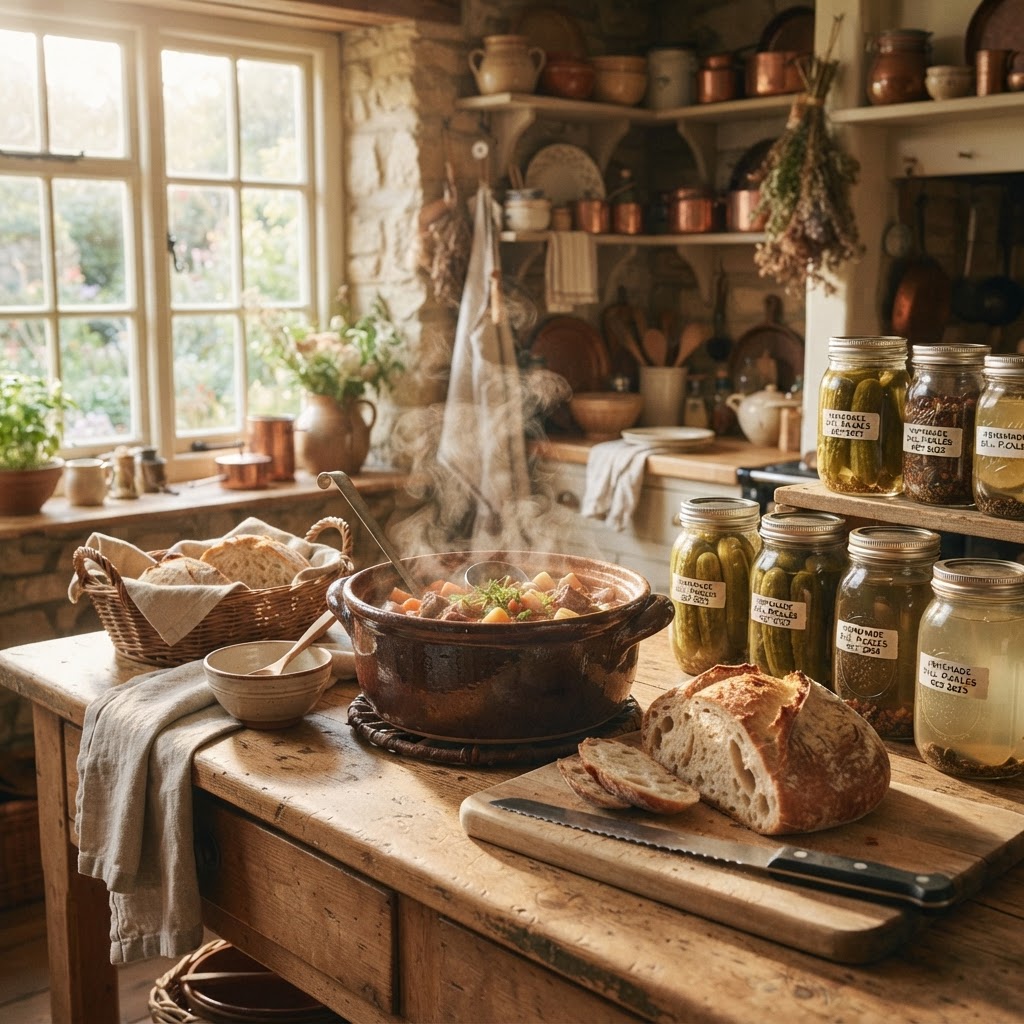
In an era defined by rapid delivery apps and ultra-processed convenience, a quiet revolution is taking place in Canadian kitchens. From the rugged coastlines of the Maritimes to the fertile plains of the Prairies, home cooks are increasingly turning away from the 'fast-food' mindset and rediscovering the time-tested culinary traditions of our ancestors. This shift isn't just about nostalgia; it is a deliberate move toward intentional, flavour-forward, and health-conscious living. By embracing techniques like fermenting, pickling, and slow-simmering, Canadians are finding that the best way to move forward is by looking back. The roots of these practices run deep in Canada. For thousands of years, First Nations and Inuit communities have utilized the land as a pantry, employing sophisticated methods like smoking, drying, and fermenting—such as the traditional preparation of igunaq—to preserve food and maximize nutrition. These techniques were born of necessity, but they offer a masterclass in sustainability and flavour development that modern cooking often overlooks. Today, we are seeing a beautiful synthesis where these ancient practices meet modern culinary curiosity. One of the most accessible ways to bring this heritage into your home is through the art of pickling and fermentation. Unlike shelf-stable pickles found in the center aisles of the grocery store, naturally fermented vegetables—like sauerkraut or quick-pickled carrots—are teeming with beneficial probiotics that support gut health. The process is simple: salt, water, and time. By allowing natural bacteria to work their magic, you transform humble seasonal vegetables into complex, tangy condiments that elevate any meal. It is a practice that rewards patience, offering a deeper, more layered flavour profile than any store-bought alternative. Slow-simmering is another traditional pillar making a comeback. In our fast-paced lives, the 'set it and forget it' nature of a slow-cooked stew or a long-simmered bone broth provides a sense of comfort and familiarity. It allows for the breakdown of tough cuts of meat and the deep infusion of aromatics, resulting in meals that are not only nourishing but deeply satisfying. This method aligns perfectly with the 2026 trend of 'intentional cooking,' where the focus shifts from novelty to texture, structure, and the integrity of local ingredients. If you are looking to start your own journey into heritage cooking, begin small. Try your hand at a sourdough starter, which uses natural fermentation to improve both the texture and digestibility of your bread. Or, experiment with a simple shatta—a vibrant chili sauce that can be fermented for a few days to add a punch of flavour to your eggs, fish, or roasted vegetables. The goal is not to add more stress to your day, but to reclaim the kitchen as a space of creativity and connection. By integrating these traditional techniques, you are not just preparing food; you are participating in a living history, ensuring that the flavours and wisdom of the past continue to nourish the Canadian table for generations to come.
Comments (0)
Sign in to leave a comment
No comments yet. Be the first to comment!