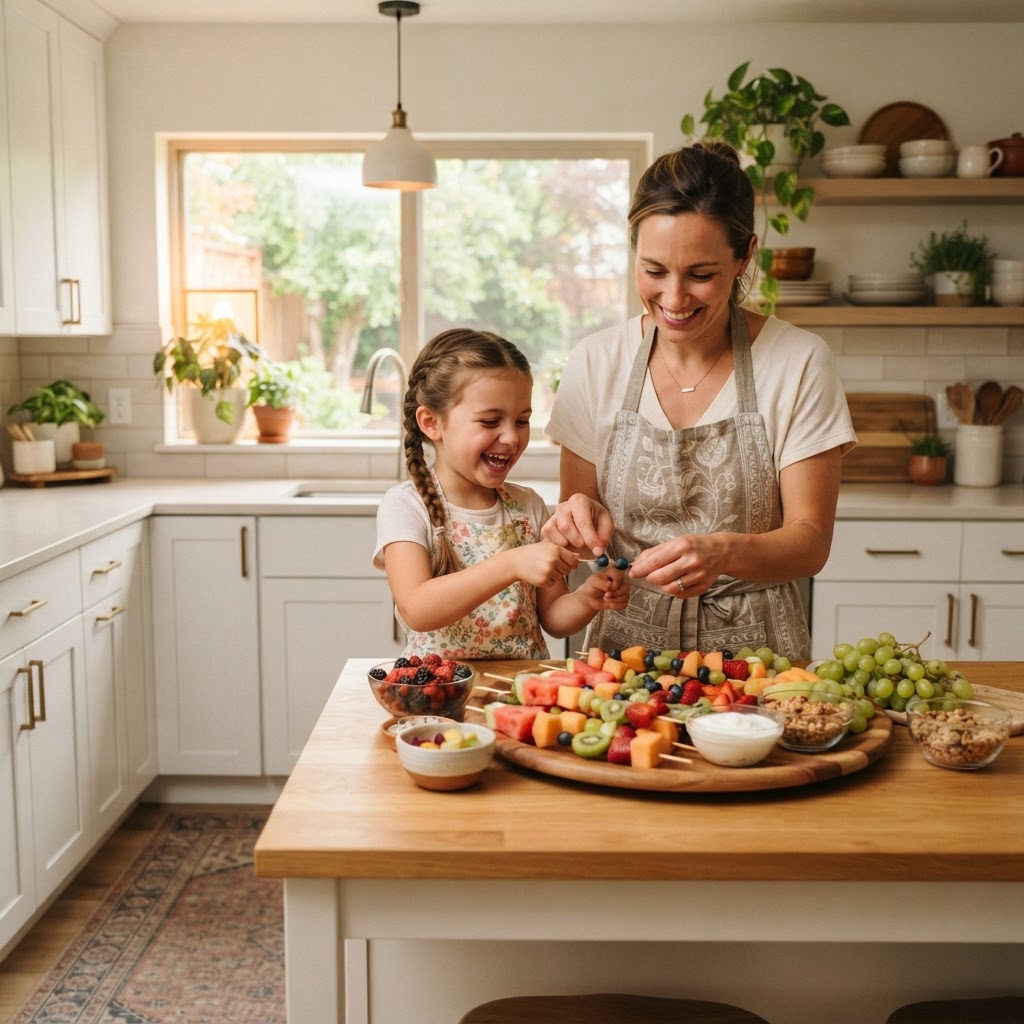
Raising the Next Generation of Wellness: Clean Habits for Canadian Families
The landscape of Canadian family life is undergoing a quiet but powerful transformation. As we navigate the complexities of modern parenting, a significant shift is occurring in our pantries and our daily routines. No longer satisfied with the ultra-processed convenience of the past, Canadian families are increasingly prioritizing clean-label, nutrient-dense nutrition and intentional wellness habits. This movement, often referred to as 'Raised on Wellness,' is about more than just reading labels; it is about fostering a sustainable, healthy relationship with food and self-care that will serve the next generation for years to come.
According to recent industry insights, approximately 35% of parents now prioritize natural ingredients when selecting snacks for their children. This isn't just a fleeting trend; it is a response to the growing demand for transparency in our food systems. Brands like Wellness Monster are leading the charge by utilizing third-party certifications, such as the Clean Label Project, to ensure products are free from environmental toxins like pesticides and heavy metals. For the busy Canadian parent, this means finding snacks that offer both the convenience of a grab-and-go item and the peace of mind that comes with high-quality, whole-food ingredients.
However, wellness is not just about what we buy; it is about how we live. The concept of 'Micro-Rituals' is gaining traction across the country. These are small, intentional moments—such as a shared morning smoothie or a family-style dinner—that make healthy living feel accessible rather than overwhelming. By moving away from the pressure of perfection and toward the consistency of small, positive actions, parents can help their children build a foundation of health that feels natural rather than forced.
Canada’s Food Guide provides a roadmap for this journey, emphasizing that the environment in which we eat is just as important as the food itself. Eating together, even when schedules are tight, remains one of the most effective ways to model healthy behaviours. By adopting 'family-style' meals, where children serve themselves from shared dishes, parents empower their kids to listen to their own hunger cues and explore a variety of nutrient-rich foods. This approach helps mitigate the stress of picky eating and turns mealtime into a collaborative, low-pressure experience.
As we look toward 2027, we are also seeing a resurgence of 'Passed Down' traditions. Families are turning away from complex, long ingredient lists and returning to time-tested methods like fermenting, baking, and slow-simmering. These practices not only provide superior nutrition but also connect children to their heritage and the art of food preparation. Teaching a child how to make a simple, vegetable-forward pasta sauce or a homemade broth is a life skill that promotes independence and a deeper appreciation for what goes into their bodies.
Ultimately, the goal of this wellness shift is to move away from the consumerist pressure that often plagues the health industry. As experts note, children do not need expensive gadgets or restrictive tracking to be healthy. They need access to real food, the opportunity to participate in the kitchen, and a positive environment that celebrates nourishment. By focusing on these core values, Canadian families are not just raising the next generation of wellness—they are redefining what it means to live well in a modern world.
Comments (0)
Sign in to leave a comment
No comments yet. Be the first to comment!