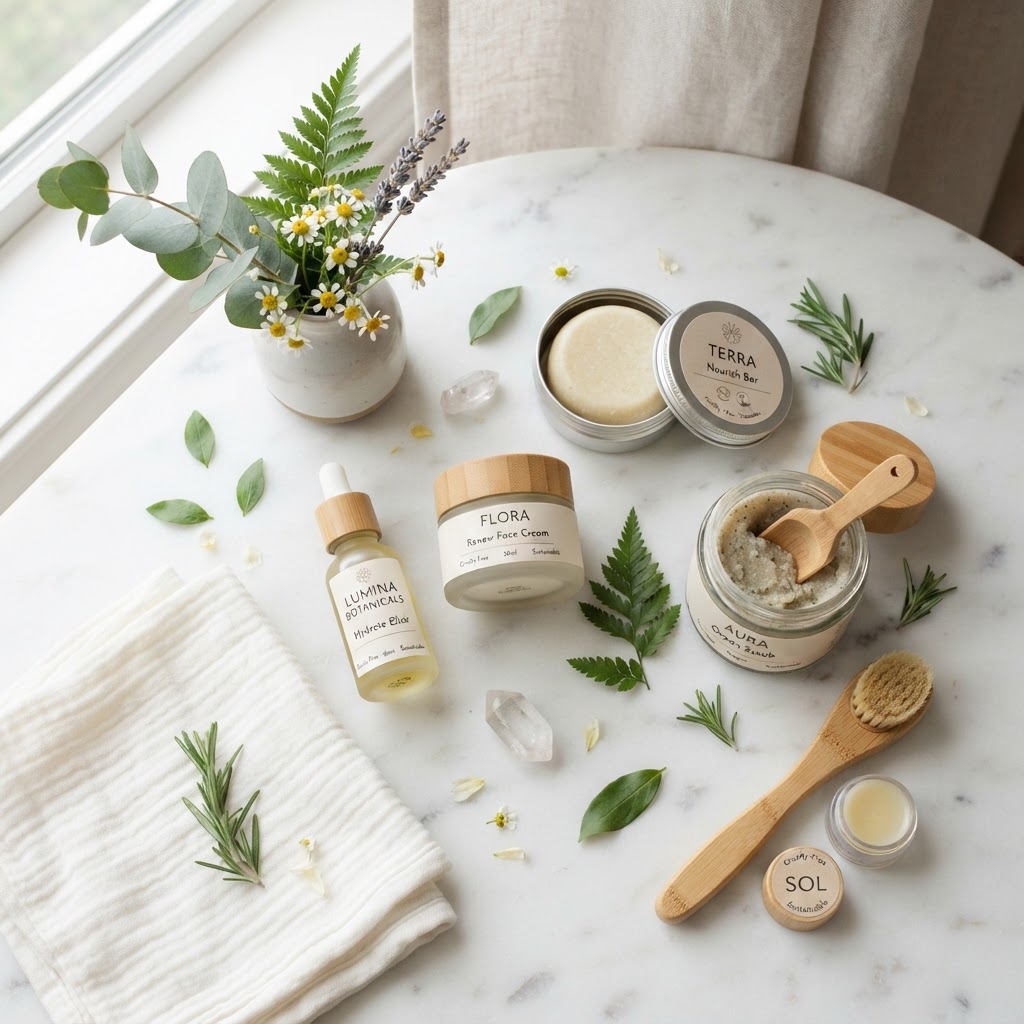
Is 'Clean Beauty' Still Evolving? Celebrating 25 Years of Innovation
For the better part of two decades, the term 'clean beauty' has been the industry’s most polarizing buzzword. It has graced the shelves of Sephora, fueled viral social media trends, and prompted countless consumers to flip their shampoo bottles to scan for 'free-from' lists. But as we look at the landscape in 2026, it is clear that the movement is undergoing a profound transformation. No longer defined by fearmongering or long lists of excluded ingredients, clean beauty is evolving into a sophisticated, science-led discipline that prioritizes efficacy, sustainability, and transparency.
In Canada, this shift is particularly evident. As the market matures, Canadian consumers are moving past the 'clean' label and demanding proof of performance. According to recent market analysis, the Canadian clean beauty sector is no longer just a niche category; it is a lifestyle-driven standard where consumers expect their products to be as effective as they are ethical. This evolution is a welcome change from the early days of the movement, where the focus was often on what was left out rather than what was put in.
One of the most compelling examples of this longevity is the 25-year journey of brands like Pureology. Long before 'sustainability' became a corporate mandate, Pureology was setting the gold standard for professional-grade, sulfate-free hair care. Celebrating a quarter-century of innovation, the brand serves as a reminder that true clean beauty isn't a trend—it’s a commitment to results. By focusing on high-performance ingredients like camelina-sativa-seed oil and coconut oil, they have proven that you don't have to sacrifice salon-quality results to maintain a clean, conscious routine.
So, what does this evolution mean for your daily regimen? It means we are entering an era of 'conscious efficacy.' Modern innovation is moving toward bio-engineered solutions, such as silk-based peptides that work in harmony with the skin’s natural barrier, rather than simply relying on traditional silicones. This shift toward upcycling and biotechnology represents the next frontier of the industry. For the Canadian shopper, this means that the products you choose today are likely more advanced, more sustainable, and more reliable than ever before.
If you are looking to refine your own routine, consider these actionable insights. First, look beyond the 'clean' marketing claims. Instead, research the brand’s commitment to sustainability—are they using recycled packaging? Do they have a clear, transparent supply chain? Second, prioritize products that offer multi-benefit solutions. Much like the 21-benefit formulas that have kept Pureology a staple in Canadian bathrooms for years, the best products in your routine should work harder, reducing the need for excess consumption.
Finally, remember that the most sustainable beauty routine is the one that works for you. As the industry continues to move away from the 'dirty' vs. 'clean' dichotomy, we are seeing a more inclusive, science-forward approach that welcomes innovation from both legacy brands and new, disruptive players. Whether it is through the expansion of international clean brands into Canadian pharmacies or the continued success of long-standing pioneers, the future of beauty is clearly focused on a balance of ethics and excellence.
As we celebrate 25 years of progress, it is clear that clean beauty is not dead—it has simply grown up. By choosing brands that value scientific rigor and long-term environmental impact, we can continue to enjoy the ritual of self-care while supporting a more responsible industry. Here is to the next 25 years of innovation, where the best is yet to come.
Comments (0)
Sign in to leave a comment
No comments yet. Be the first to comment!