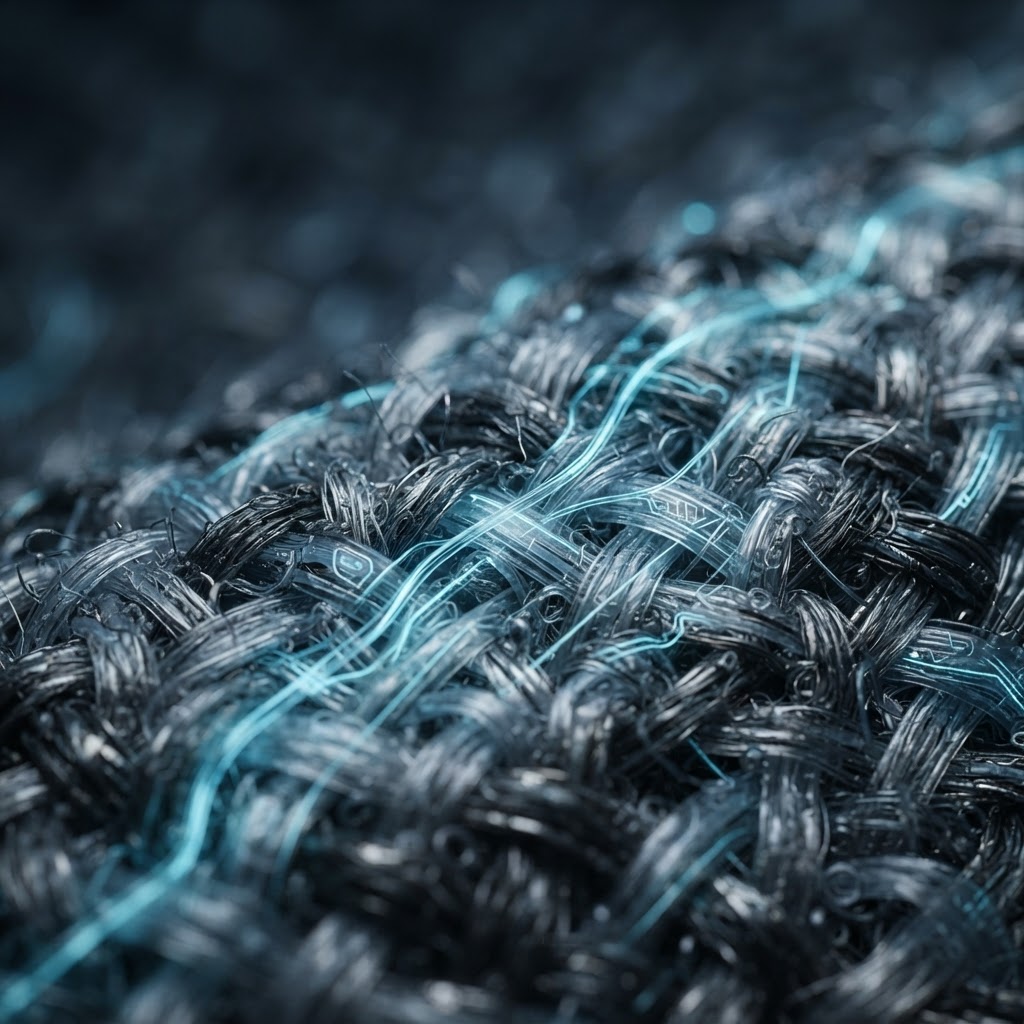
The Future of Textiles: How Smart Fabrics Are Changing Your Wardrobe
The fashion industry is undergoing a seismic shift that transcends mere aesthetics. We are entering an era where our clothing is no longer a passive layer of protection, but an active, intelligent system. As we look toward the future of textiles, the intersection of high-tech engineering and garment design is creating a new category of apparel: smart fabrics. These materials, embedded with sensors and conductive fibers, are capable of sensing motion, monitoring biometrics, and adapting to the wearer’s environment in real-time. For the modern Canadian consumer and business professional, this represents a fundamental change in how we interact with what we wear.
At its core, the smart textile revolution is about functionality. Unlike traditional fabrics, these intelligent materials are designed to interact with the wearer. By integrating digital components directly into the weave of a garment, manufacturers can now track complex data points without the need for bulky external devices. Whether it is monitoring heart rate, tracking posture, or even capturing specific gestures for AR/VR applications, the technology is becoming increasingly invisible and comfortable. This is not just a trend; it is a multi-billion dollar market that is rapidly maturing as manufacturing processes become more sophisticated.
Canada is quietly emerging as a global powerhouse in this sector. Companies like Montreal-based Hexoskin have already set the gold standard for health-monitoring apparel, with their technology even being utilized by the Canadian Space Agency for the Astroskin Bio-Monitor. This demonstrates that the applications for smart textiles extend far beyond the gym; they are critical tools for clinical healthcare, space exploration, and high-performance athletics. Similarly, Vancouver-based Texavie is pushing the boundaries of body motion tracking, developing smart textiles that can recognize gestures, which holds immense potential for the future of immersive digital experiences and retail interaction.
For businesses and fashion retailers, the implications are profound. We are moving toward a future where "smart" is a standard feature rather than a luxury add-on. The ability to collect real-time data through clothing offers unprecedented opportunities for personalized wellness and performance optimization. For instance, Winnipeg-based BodiTrak has pioneered pressure-sensing fabrics that allow for real-time 3D mapping of body position. This technology is already being applied in medical and sports training contexts, proving that the business of fashion is now inextricably linked to the business of data analytics.
As we look ahead to 2026 and beyond, the manufacturing barrier is also lowering. Recent breakthroughs, such as those from Harvard researchers using standard industrial knitting machines to create shape-shifting, motion-sensing fabrics, suggest that mass-producing these high-tech garments will soon be more cost-effective and scalable. This means that the smart shirt or jacket you wear to the office could soon be as common as a smartphone, providing you with insights into your health and posture throughout the workday.
For the Canadian consumer, the advice is simple: keep an eye on the "Fashion Tech" space. As these technologies move from specialized medical and athletic use cases into the mainstream, look for brands that prioritize both data privacy and textile quality. The future of your wardrobe is not just about how you look, but how your clothing works for you. By embracing these innovations, we are not just upgrading our style; we are investing in a more responsive, health-conscious, and technologically integrated lifestyle.
Comments (0)
Sign in to leave a comment
No comments yet. Be the first to comment!