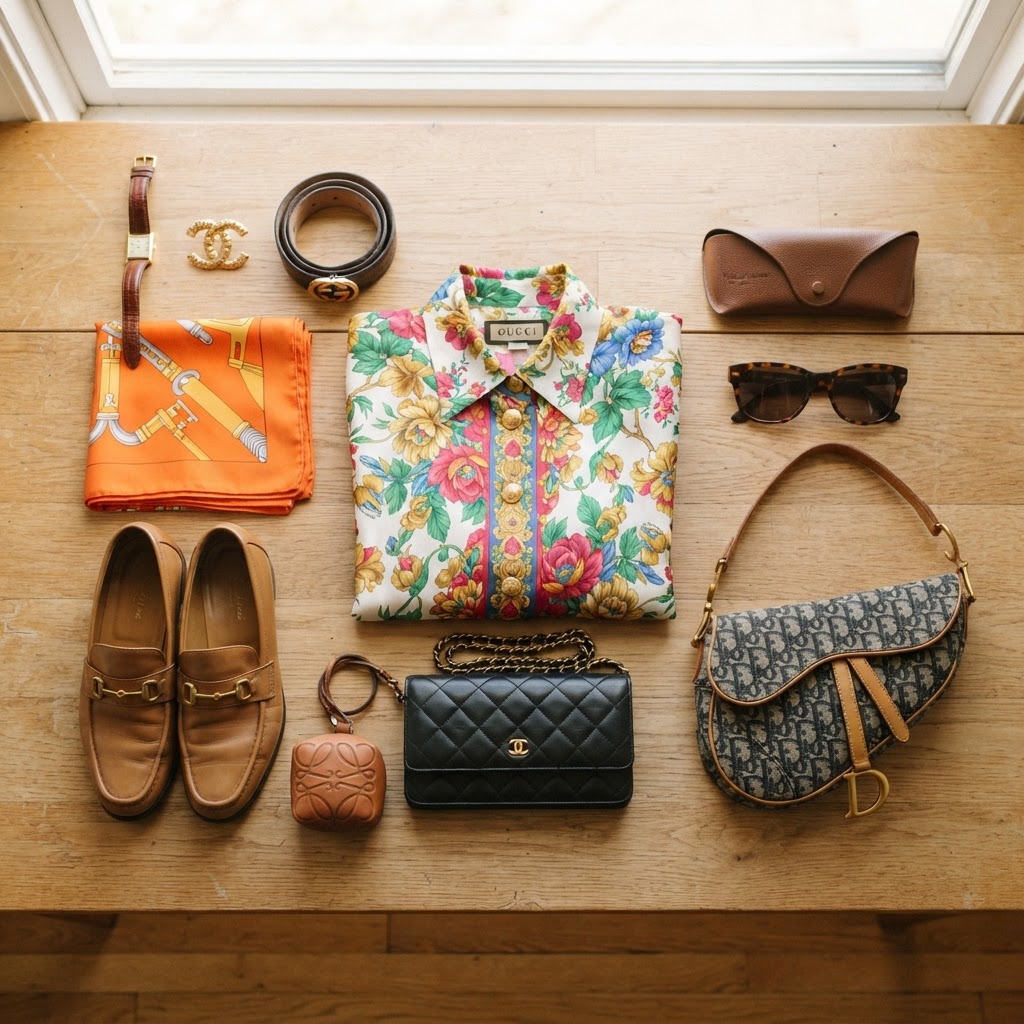
Why Everyone is Obsessed with Second-Hand Shopping Apps Right Now
The Canadian retail landscape is undergoing a seismic shift. Walk down any street in Toronto or Vancouver, and you will notice a change in how people curate their wardrobes. The days when second-hand shopping was relegated to dusty thrift store bins are long gone. Today, the most stylish Canadians are turning to digital resale platforms like Poshmark, Mine & Yours, and specialized boutiques to find everything from vintage gems to high-end luxury staples. This isn't just a trend; it is a fundamental change in consumer behavior that is reshaping the business of fashion in Canada. The numbers tell a compelling story. Globally, the second-hand fashion market is growing twice as fast as the primary retail market. In Canada, this growth is fueled by a unique intersection of economic pragmatism, a heightened focus on sustainability, and the thrill of the hunt. As inflation impacts household budgets, even affluent consumers are turning to resale as a strategic way to access luxury goods without the full retail price tag. Retailers like Vancouver-based Mine & Yours have reported significant year-over-year growth, proving that the demand for pre-owned, high-quality fashion is more than just a passing fad. For the modern Canadian shopper, platforms like Poshmark have become the go-to destination. While the app was once associated primarily with mass-market athleisure brands like Lululemon and Nike, it has evolved into a powerhouse for luxury resale. Data from 2025 indicates that designer handbags and accessories from brands like Louis Vuitton, Chanel, and Gucci are among the top revenue-driving categories on the platform. The appeal is clear: buyers get the prestige of a designer label at a fraction of the cost, while sellers get to monetize their closets, effectively turning their past purchases into future capital. So, how can you navigate this booming market effectively? Whether you are a buyer or a seller, success in the resale economy requires a bit of strategy. For sellers, brand recognition is key. Items that align with current aesthetic trends or viral social media movements tend to sell with much higher velocity. If you are listing luxury items, ensure you provide clear, high-quality photos and authenticity documentation, as trust is the primary currency of the resale world. For buyers, the secret is patience and saved searches. Because the best pieces—especially limited-edition or discontinued items—often sell within hours, setting up alerts for your favorite brands can give you a competitive edge. Beyond the individual benefits, this shift represents a broader move toward a circular economy. Canadian brands are taking note, with many retailers now launching their own internal resale programs to keep their products in circulation longer. This 'recommerce' model is a shrewd business move that aligns with the values of eco-conscious consumers who want to reduce waste without sacrificing style. By participating in these platforms, Canadians are not just updating their wardrobes; they are contributing to a more sustainable fashion future. As we look toward the next decade, it is clear that the second-hand market will continue to be a dominant force in Canadian retail, proving that the smartest way to shop is often to look at what has already been loved.
Comments (0)
Sign in to leave a comment
No comments yet. Be the first to comment!