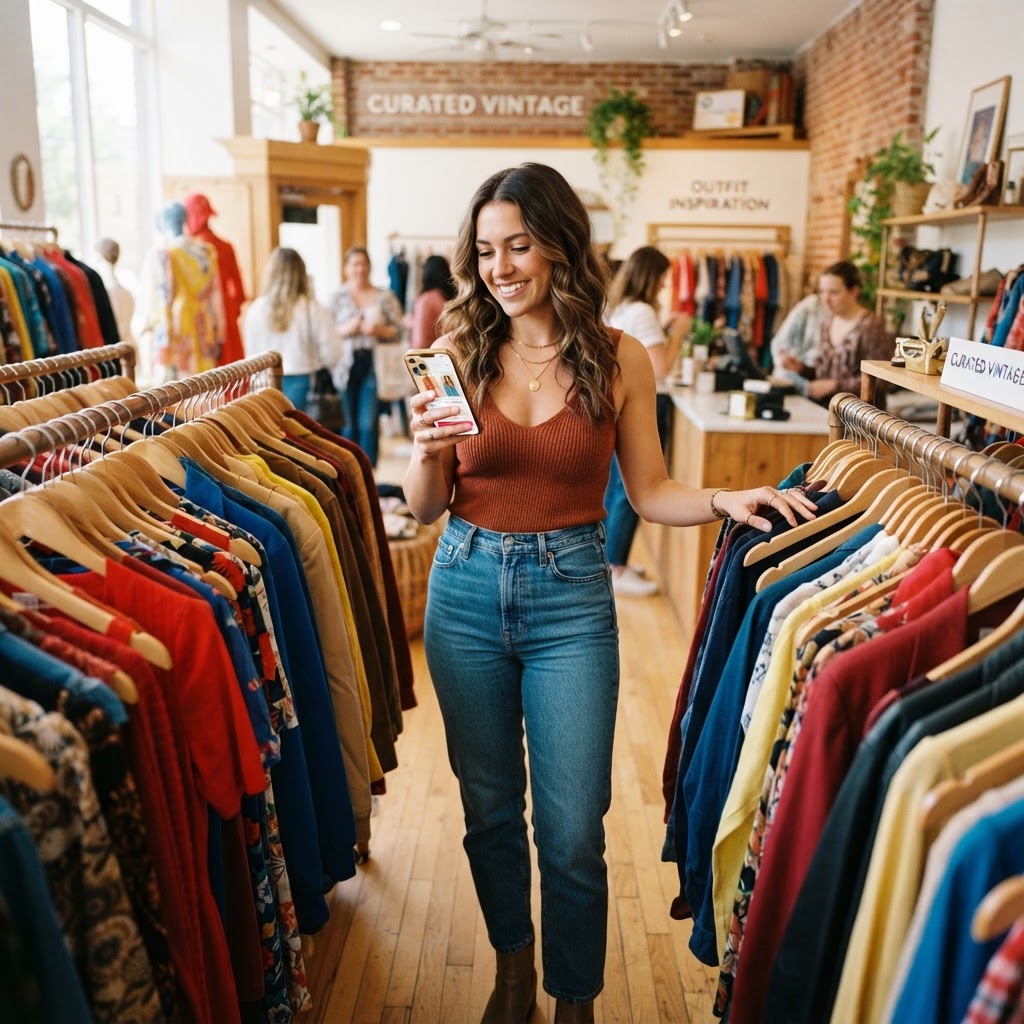
Why Everyone is Suddenly Obsessed with Second-Hand Shopping Apps
If you have scrolled through your social media feed lately, you have likely noticed a shift. Your friends are no longer just posting about their latest retail hauls from big-box stores; they are showing off unique, pre-loved finds that look like they belong on a runway. This is not a coincidence. Across Canada, the second-hand market has moved from the fringes of thrift store aisles to the center of the digital economy. With 77% of Canadian adults having purchased at least one pre-owned item in the past year, it is clear that resale is no longer just a trend—it is a fundamental change in how we shop.
At the heart of this movement are platforms like Poshmark, which have transformed the way Canadians interact with their closets. By blending the social connectivity of Instagram with the transactional ease of e-commerce, these apps have turned the act of buying used clothes into a seamless, addictive experience. For the modern Canadian consumer, these platforms offer a solution to the dual pressures of rising living costs and a growing desire for sustainable consumption.
Why the sudden obsession? The answer lies in a perfect storm of economic and social factors. According to recent data, saving money remains the primary driver for 68% of Canadian thrifters. In an era where inflation impacts every aspect of our daily lives, the ability to snag a high-quality, gently used designer piece for 60% to 75% less than its original retail price is a powerful incentive. It allows fashion-conscious individuals to maintain their style without compromising their financial health.
Beyond the wallet, there is a profound shift in values. Younger generations, particularly Gen Z and Millennials, are leading the charge, viewing second-hand shopping as a badge of individuality and environmental responsibility. By choosing pre-owned items, shoppers are actively participating in the circular economy, reducing waste, and extending the lifecycle of garments that might otherwise end up in a landfill. This values-driven approach is not just a hobby; it is a conscious lifestyle choice that aligns personal style with planetary health.
For those looking to dive into the world of resale, the barrier to entry has never been lower. Whether you are a buyer looking for a deal or a budding entrepreneur, the digital landscape is ripe with opportunity. If you are considering selling, remember that presentation is everything. Successful sellers on platforms like Poshmark emphasize the importance of high-quality, clear photography. A well-lit, accurate photo can be the difference between a listing that sits stagnant and one that sells in hours.
Furthermore, the market is expanding well beyond clothing. While apparel remains the dominant category, Canadians are increasingly turning to resale apps for furniture, home décor, and luxury accessories. Specialized platforms like Poshbag Boutique have even emerged to cater to the luxury market, offering authenticity guarantees that provide peace of mind for high-ticket purchases. This professionalization of the resale space is building trust and attracting a demographic that might have previously been hesitant to buy second-hand.
As we look toward the future, the resale market shows no signs of slowing down. It is evolving into a 'value flywheel' where consumers consider the future resale value of an item before they even make the initial purchase. This mindset shift is forcing brands to rethink their own strategies, with many now exploring their own resale programs to keep up with the demand for circularity.
For the Canadian shopper, the message is clear: the thrill of the hunt is now a mainstream pursuit. Whether you are hunting for a vintage treasure or clearing out your closet to fund your next purchase, the digital resale revolution is here to stay. It is time to embrace the shift, save some money, and curate a wardrobe that is as unique as it is sustainable.
Comments (0)
Sign in to leave a comment
No comments yet. Be the first to comment!