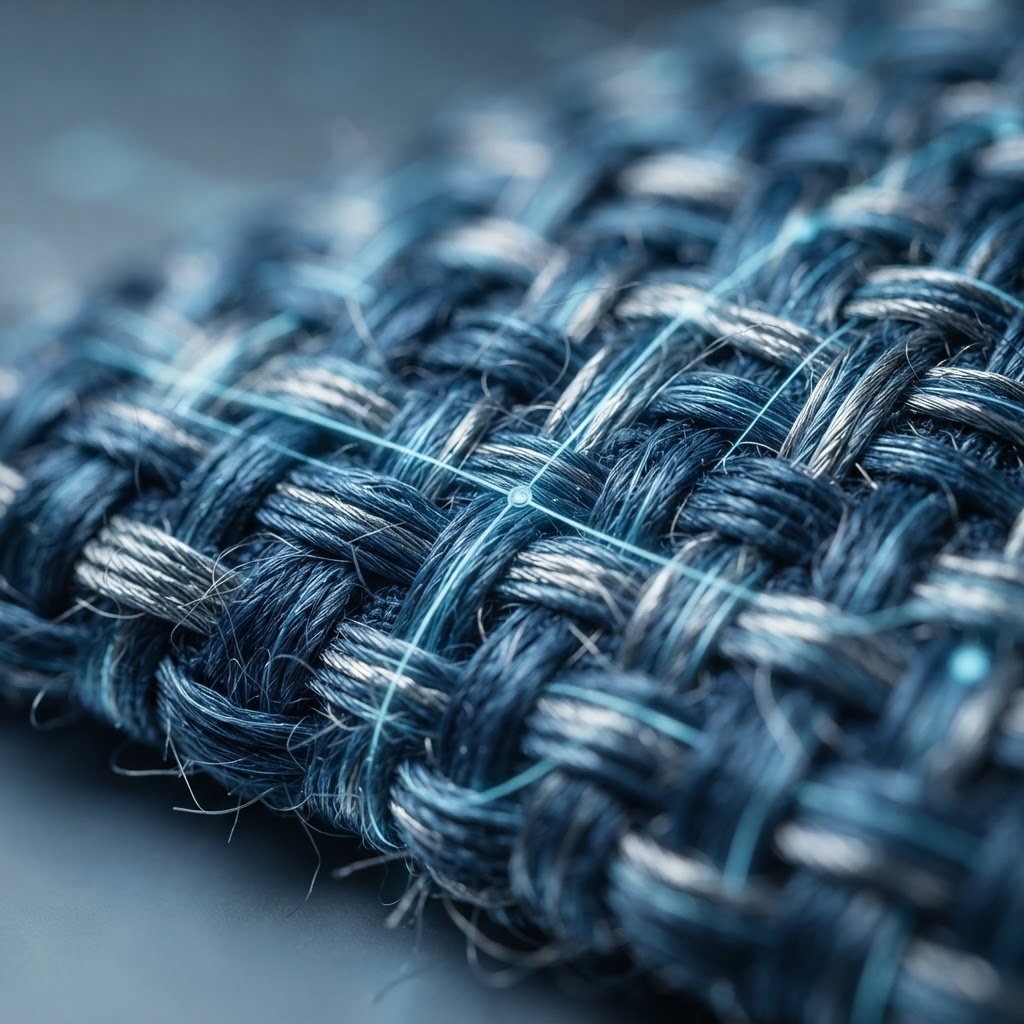
The Future of Fabric: How Smart Textiles are Changing Your Wardrobe
The Canadian wardrobe is undergoing a quiet, high-tech revolution. As we navigate the extremes of our climate—from humid summers to biting winters—the intersection of technology and textiles is offering more than just aesthetic appeal. We are entering the era of smart fabrics, where our clothing is no longer a static layer, but a responsive, functional tool designed to adapt to our needs and the environment. This shift is not just about novelty; it is a cornerstone of the future of sustainable living.
At its core, smart textiles—often called e-textiles—integrate technology directly into the fibers of our garments. While early iterations focused on simple conductive threads, today’s innovations are far more sophisticated. Researchers at the University of Waterloo have made headlines with the world’s first stimuli-responsive material capable of reacting to both heat and electricity. Imagine a winter coat that actively warms you before you step out into a frigid Toronto morning, or athletic wear that adjusts its breathability based on your body temperature. By creating garments that perform multiple functions, we move closer to a 'less is more' philosophy, reducing the need for excessive seasonal shopping.
One of the most exciting breakthroughs comes from Harvard University, where engineers have successfully turned ordinary machine-knitting techniques into a method for creating shape-shifting fabrics. By using elastic and conductive yarns, these researchers have developed textiles that can 'snap' between stable shapes without the need for rigid motors or bulky mechanical parts. These fabrics behave like soft robots, capable of sensing movement or acting as electrical switches. For the Canadian consumer, this means clothing that could provide dynamic support, change its structure for better insulation, or even count your steps, all while maintaining the comfort of a traditional knit.
Why does this matter for sustainable living? The fashion industry is one of the largest contributors to global waste. Smart textiles offer a path toward longevity. When a garment can adapt to different temperatures or physical activities, you need fewer specialized items in your closet. Furthermore, as these materials become more programmable, we can extend the lifecycle of our clothing. Instead of discarding a piece because it no longer fits or serves a specific purpose, future-ready garments could be adjusted or repurposed through their inherent material properties.
For those looking to embrace this future, the transition starts with being an informed consumer. While fully programmable, shape-shifting apparel is still emerging from the lab, the market for eco-friendly and tech-integrated fabrics is growing. Canadian brands and retailers are increasingly focusing on high-performance, sustainable materials. Whether you are sourcing bamboo or recycled polyester from local innovators like Fabric + Flow Textile, or keeping an eye on the latest developments in wearable tech, the goal is to prioritize quality and versatility.
As we look toward 2026 and beyond, the integration of smart textiles will continue to solve real-world problems, particularly in healthcare and accessibility. From garments that monitor vital signs to fabrics that provide tactile feedback for virtual environments, the potential is limitless. By choosing to invest in innovative, durable, and multi-functional pieces, Canadians can lead the way in building a wardrobe that is as kind to the planet as it is advanced in its design. The future of fashion isn't just about what you wear—it's about what your clothes can do for you.
Comments (0)
Sign in to leave a comment
No comments yet. Be the first to comment!