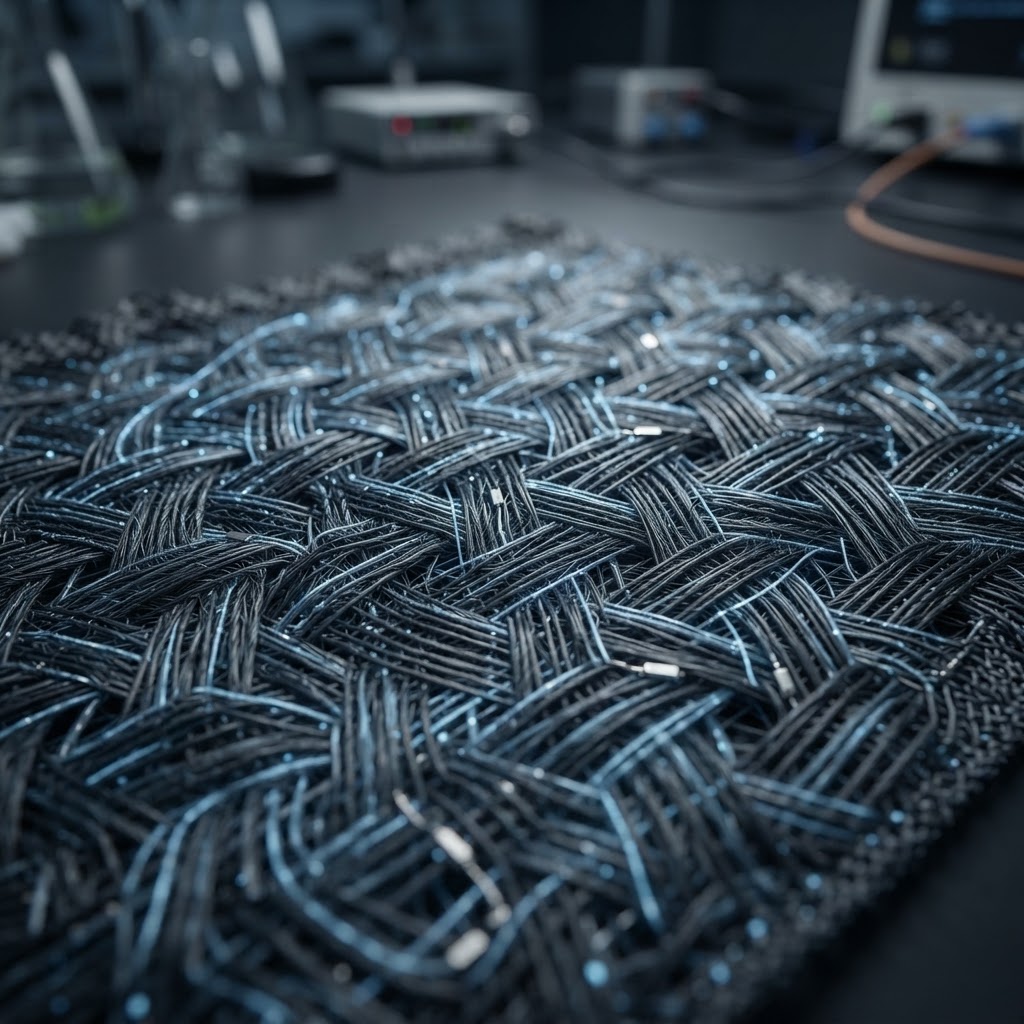
Smart Textiles: The Future of Wearable Tech in Your Closet
Imagine a wardrobe that adapts to the unpredictable Canadian climate, a shirt that adjusts its insulation based on your body temperature, or a jacket that changes shape to provide better protection against a sudden downpour. This isn't science fiction; it is the rapidly evolving world of smart textiles. As we look toward a more sustainable future, these high-tech fabrics are moving from research labs into our daily lives, promising to change not just how we dress, but how we consume fashion.
At the heart of this revolution are shape-shifting materials. Researchers at institutions like Harvard and MIT have made significant breakthroughs in creating fabrics that can snap into different configurations, sense motion, and even control electronics [5, 6, 7]. By utilizing standard knitting machines, scientists are now able to produce dense, programmable textiles that act as sensors or switches [7]. This means your clothing could soon interact with your devices, monitor your health, or provide haptic feedback, all without the need for bulky, external hardware [2, 8].
For the eco-conscious Canadian consumer, the most exciting aspect of this technology is its potential for sustainability. Traditional garment manufacturing is notoriously wasteful, often resulting in significant fabric scraps during the cutting process. However, 4D-printed fabrics—which are produced as flat materials that morph into their final shape later—drastically reduce this waste [3]. By creating garments that are multi-functional, we can move away from the 'fast fashion' cycle. Imagine owning one high-quality, smart-enabled piece that serves the purpose of three, effectively shrinking your carbon footprint while keeping your style game strong.
Canada is already positioning itself as a hub for this innovation. Companies like Markham-based IFTNA are leading the way in developing sustainable, high-performance fabrics that integrate advanced technologies like temperature regulation and antimicrobial properties [1]. Whether it is for athletic wear, healthcare, or everyday fashion, these Canadian-made solutions are proving that we don't have to sacrifice performance for the planet [1].
So, how can you start incorporating these innovations into your life? First, look for brands that prioritize 'functional fashion.' As research from Carleton University’s Creative Interactions Lab suggests, the goal is to make these technologies accessible to designers, meaning we will soon see more user-friendly, smart-enabled apparel on the market [10]. When shopping, prioritize pieces made from sustainable, high-tech fibers that offer longevity. Investing in a garment that regulates your temperature or resists wear and tear is a direct investment in a more sustainable wardrobe.
As we embrace this shift, it is important to remember that the future of fashion is collaborative. It brings together electrical engineers, textile artists, and designers to create pieces that are as beautiful as they are intelligent [8]. By supporting local innovators and choosing quality over quantity, Canadians can lead the charge in adopting a more sustainable, tech-forward approach to personal style. The closet of the future is not just about what you wear—it is about how your clothing works for you and the world around you.
Comments (0)
Sign in to leave a comment
No comments yet. Be the first to comment!