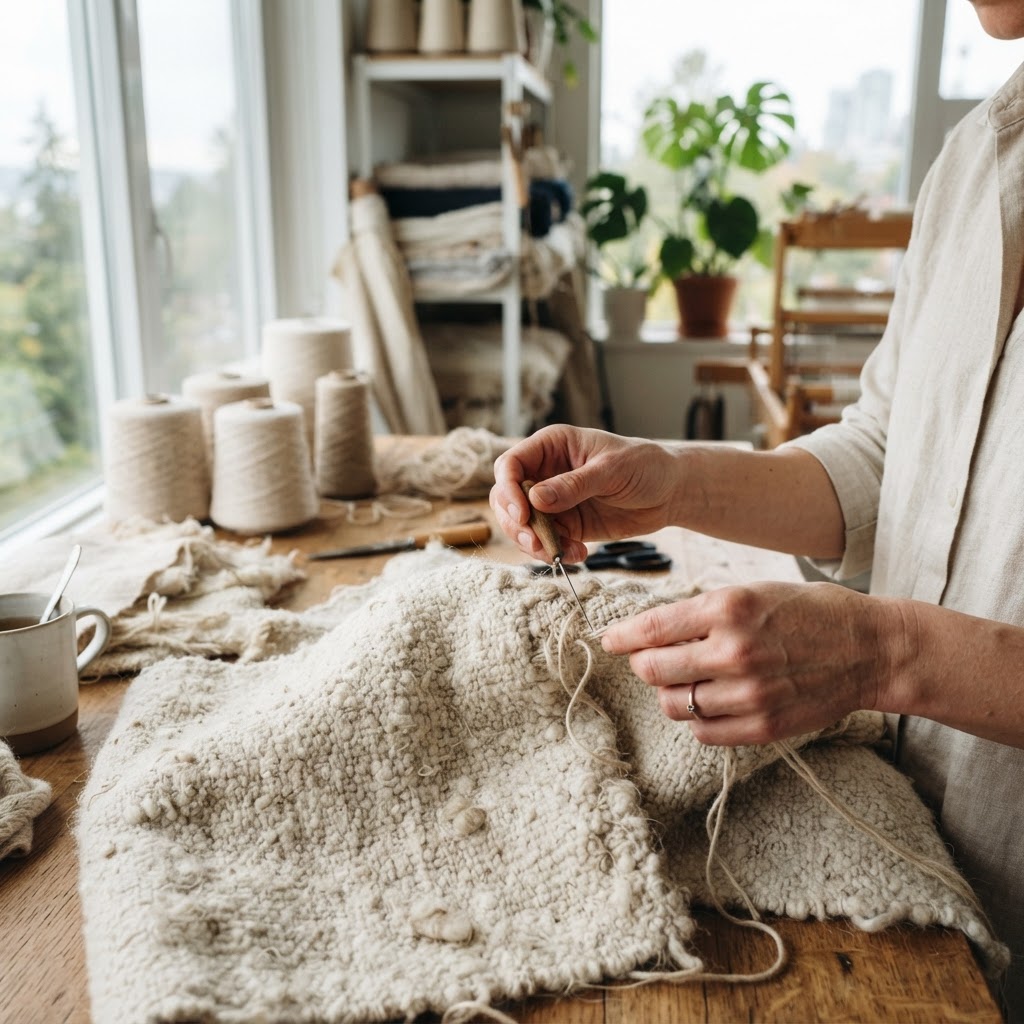
The Rise of 'Farm to Fashion': Why Canadian Brands are Prioritizing Local Materials
The Canadian fashion landscape is undergoing a quiet but profound revolution. For decades, the industry relied on complex, globalized supply chains that often obscured the origins of our garments. Today, a growing movement known as 'Farm to Fashion' is shifting the narrative, encouraging designers to look inward and prioritize locally sourced materials and domestic manufacturing. This transition is not just a trend; it is a necessary evolution toward a more resilient, transparent, and sustainable future for Canadian style.
At its core, the 'Farm to Fashion' movement is about reconnecting the wearer with the source of their clothing. By shortening the distance between the raw material—whether it is flax, wool, or organic cotton—and the final garment, Canadian brands are significantly reducing their carbon footprint. This approach minimizes the environmental impact of long-haul shipping and allows designers to maintain tighter control over ethical labour practices and quality standards.
Real-world examples of this shift are emerging across the country. Brands like Victoria-based Ecologyst have set a high bar by manufacturing their garments in Canada and the U.S. using natural fibres like Merino wool and linen. Similarly, Montreal-based designers like Jennifer Glasgow and Katrin Leblond are proving that ethical production is not only possible but economically beneficial. By keeping production local, these designers ensure that every dollar spent stays within the community, supporting livable wages and fostering a circular economy that benefits everyone involved.
Beyond the finished product, there is a growing conversation about the future of Canadian textiles. Researchers and industry leaders are currently exploring how regional fibre systems, such as the cultivation of flax, can support a more resilient textile economy. This focus on regional materials is crucial; as seen during recent global supply chain disruptions, brands that rely heavily on overseas fabric production often face significant delays. By investing in domestic material sourcing, Canadian labels can insulate themselves from global volatility while championing local agriculture.
For the conscious Canadian consumer, participating in this movement is easier than ever. Here are a few actionable ways to support the 'Farm to Fashion' shift:
1. Prioritize Transparency: Look for brands that clearly state where their materials are sourced and where their garments are sewn. If a brand is vague about its supply chain, it is often a sign that they are not prioritizing local or ethical production.
2. Choose Natural Fibres: Whenever possible, opt for garments made from natural, biodegradable materials like wool, linen, or organic cotton. These materials have a lower environmental impact than synthetic alternatives and often last longer, supporting the 'buy less, buy better' philosophy.
3. Support Local Artisans: Seek out independent Canadian designers who produce in small batches. Small-batch production is one of the most effective ways to reduce waste and ensure that each piece is crafted with care.
4. Embrace Repair and Resale: Sustainability is also about the lifecycle of the clothes you already own. Support brands that offer repair services or participate in take-back programs to keep textiles out of landfills.
As we look toward the future, the 'Farm to Fashion' movement serves as a reminder that fashion is an agricultural product at its heart. By supporting Canadian brands that prioritize local materials, we are not just buying a piece of clothing; we are investing in the health of our environment, the strength of our domestic economy, and the preservation of local craftsmanship. The next time you update your wardrobe, consider the journey your clothes have taken—and choose a path that leads back home.
Comments (0)
Sign in to leave a comment
No comments yet. Be the first to comment!