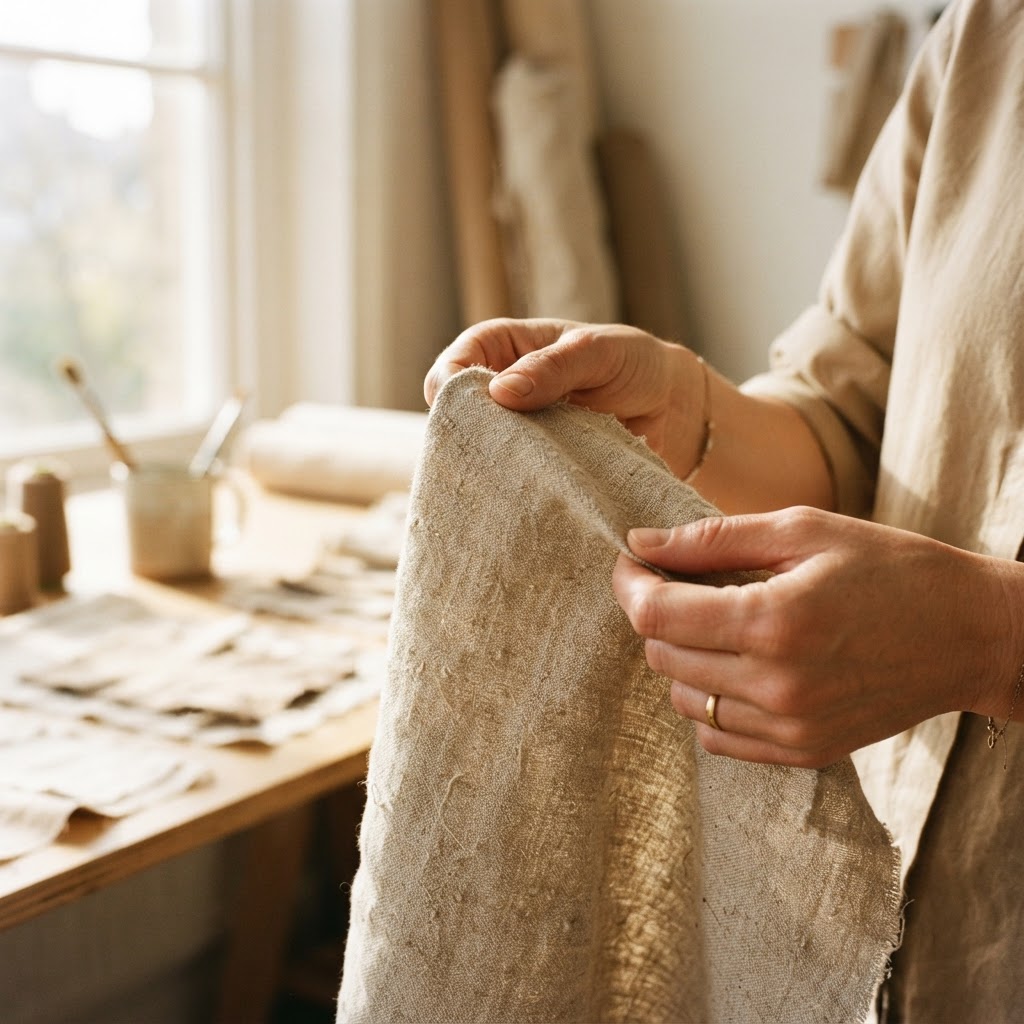
Farm to Fashion: How Canadian Designers Are Redefining Sustainable Luxury
The fashion industry is undergoing a quiet, necessary revolution. For decades, the 'fast-fashion' cycle has dominated our closets, prioritizing speed and low costs over quality and ethics. However, a growing movement is shifting the narrative back to the source. Much like the 'Farm to Table' movement transformed how we view our food, 'Farm to Fashion' is redefining how Canadians approach their wardrobes by prioritizing domestic supply chains, natural materials, and long-lasting craftsmanship.
At the heart of this shift is a desire for transparency. Modern Canadian consumers are no longer satisfied with vague labels; they want to know where their clothes come from, who made them, and what impact they have on the environment. This is where brands like Montreal-based Milo & Dexter are leading the charge. By focusing on a farm-to-garment philosophy, they are proving that luxury is not defined by excess, but by the integrity of the materials and the people behind the production.
Why 'Farm to Fashion' Matters
The environmental cost of globalized fashion supply chains is significant. By keeping production local, Canadian designers can drastically reduce their carbon footprint while supporting local economies. For brands like Milo & Dexter, this means working directly with Canadian farmers and craftspeople. As founder Jobair Jaber notes, spending time on a farm is a refreshing reminder that agriculture is the backbone of society. By transforming local wool into high-quality garments, these designers are reviving forgotten textile industries and creating a circular economy that benefits everyone from the sheep farmer to the end consumer.
Actionable Insights for the Conscious Consumer
Adopting a more sustainable lifestyle doesn't mean you have to overhaul your entire closet overnight. It starts with intentionality. Here are three ways you can support the 'Farm to Fashion' movement in Canada:
1. Prioritize Natural Fibres: Look for garments made from wool, linen, or organic cotton. These materials are not only biodegradable but often last significantly longer than synthetic alternatives. Brands like Milo & Dexter are excellent examples of companies utilizing natural, renewable raw materials to create timeless pieces.
2. Invest in a Capsule Wardrobe: Instead of buying multiple low-quality items, invest in a few high-quality, versatile pieces that are built to last. This 'less is more' approach reduces waste and ensures your wardrobe remains functional and stylish for years to come.
3. Demand Transparency: When shopping, look for brands that are open about their supply chain. If a company can tell you where their fabric was sourced and where it was sewn, they are likely committed to ethical practices. Supporting Canadian-made products ensures that your purchase adheres to higher labour and environmental standards.
Building a Sustainable Future
The future of Canadian fashion is rooted in our heritage. By embracing the 'Farm to Fashion' movement, we are not just buying clothes; we are investing in a system that values quality, community, and the environment. As we continue to see more brands prioritize ethical manufacturing and local sourcing, the dream of a truly sustainable fashion industry becomes a reality. Next time you reach for a new garment, ask yourself: does this piece tell a story of quality and care? If the answer is yes, you are already part of the movement.
Comments (0)
Sign in to leave a comment
No comments yet. Be the first to comment!