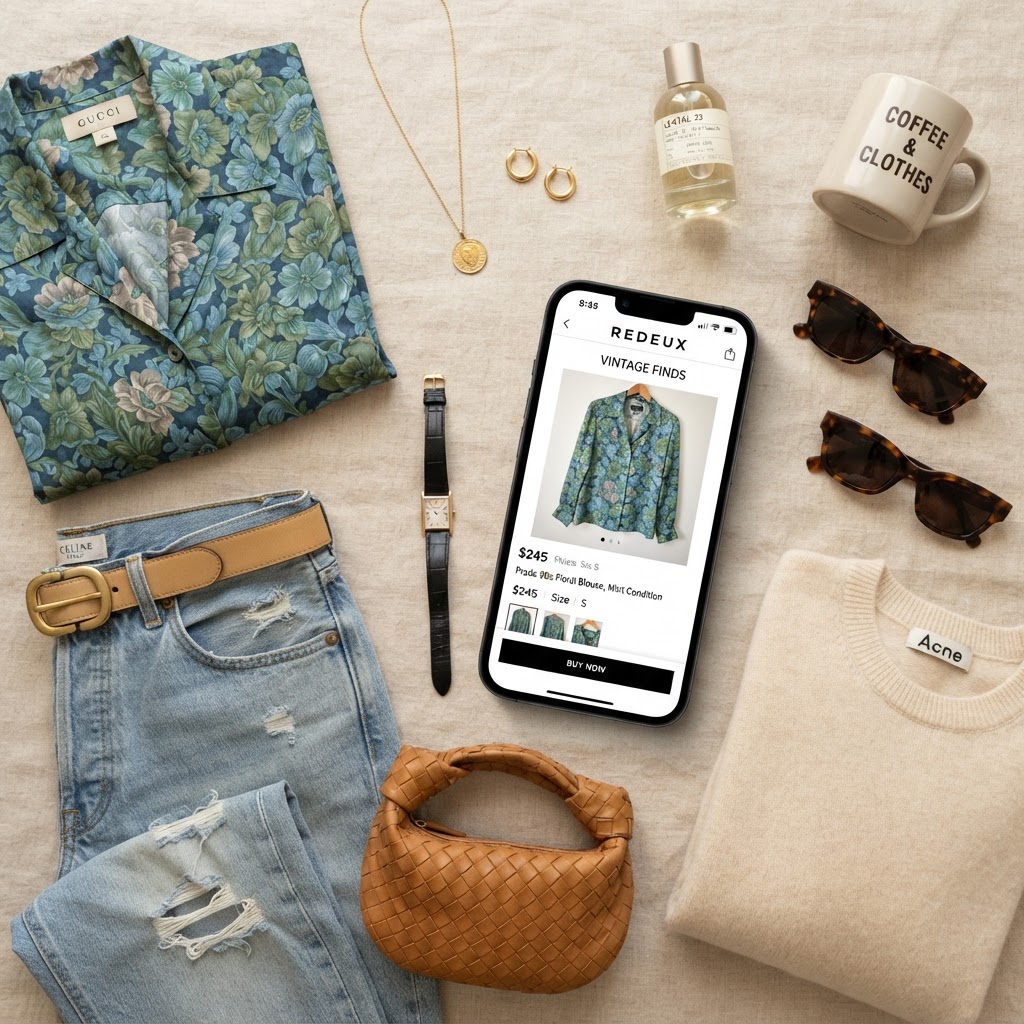
The Rise of Second-Hand Chic: Why Everyone is Obsessed with Poshmark
In the landscape of Canadian fashion, a quiet revolution has taken hold. Walk through the streets of Toronto or Vancouver, and you will notice something different about the most stylish people in the room. They aren't just wearing the latest runway trends; they are wearing stories. The shift toward circular fashion is no longer a niche hobby for the eco-conscious—it has become the new status symbol. At the heart of this movement is the meteoric rise of Poshmark, a platform that has transformed how we view our closets and our consumption habits. The circular fashion market is projected to see massive growth, with global valuations expected to reach $42.8 billion by 2034. This isn't just about saving money; it is about a fundamental change in consumer values. As environmental awareness grows, Canadian shoppers are increasingly prioritizing sustainability, with studies showing that a significant majority of Millennials and Gen Z are willing to alter their consumption habits to reduce their environmental footprint. For the uninitiated, Poshmark offers a peer-to-peer marketplace that breathes new life into pre-loved garments. While it was once viewed as a destination for mass-market brands like Lululemon, the platform has evolved into a treasure trove for vintage finds, luxury pieces, and unique items that simply cannot be found in traditional retail stores. This shift is driven by a desire for individuality—why wear what everyone else is buying at the mall when you can curate a wardrobe that is entirely your own? Beyond the aesthetic appeal, there is a practical, business-savvy side to this obsession. Canadians are becoming smarter about their investments. By buying and selling on platforms like Poshmark, consumers are extending the lifecycle of their clothing, effectively reducing textile waste and participating in a circular economy. This is a win-win: you clear out your closet to fund your next purchase, all while keeping high-quality items out of landfills. If you are looking to join the movement, start by curating your own 'closet' on the app. Focus on high-quality staples that hold their value, such as designer bags, vintage denim, or well-maintained footwear. Remember, the key to successful second-hand shopping is patience and persistence. Use the search filters to track specific brands or styles you love, and don't be afraid to engage with the community. The social aspect of Poshmark—liking, sharing, and negotiating—is what makes it feel less like a transaction and more like a digital boutique experience. As we look toward the future, it is clear that the 'new' is no longer the only standard for luxury. Whether you are hunting for a rare archival piece or simply trying to live a more sustainable lifestyle, the rise of second-hand chic is here to stay. By choosing pre-loved, you are not just making a fashion statement; you are contributing to a more sustainable, thoughtful, and stylish Canada.
Comments (0)
Sign in to leave a comment
No comments yet. Be the first to comment!