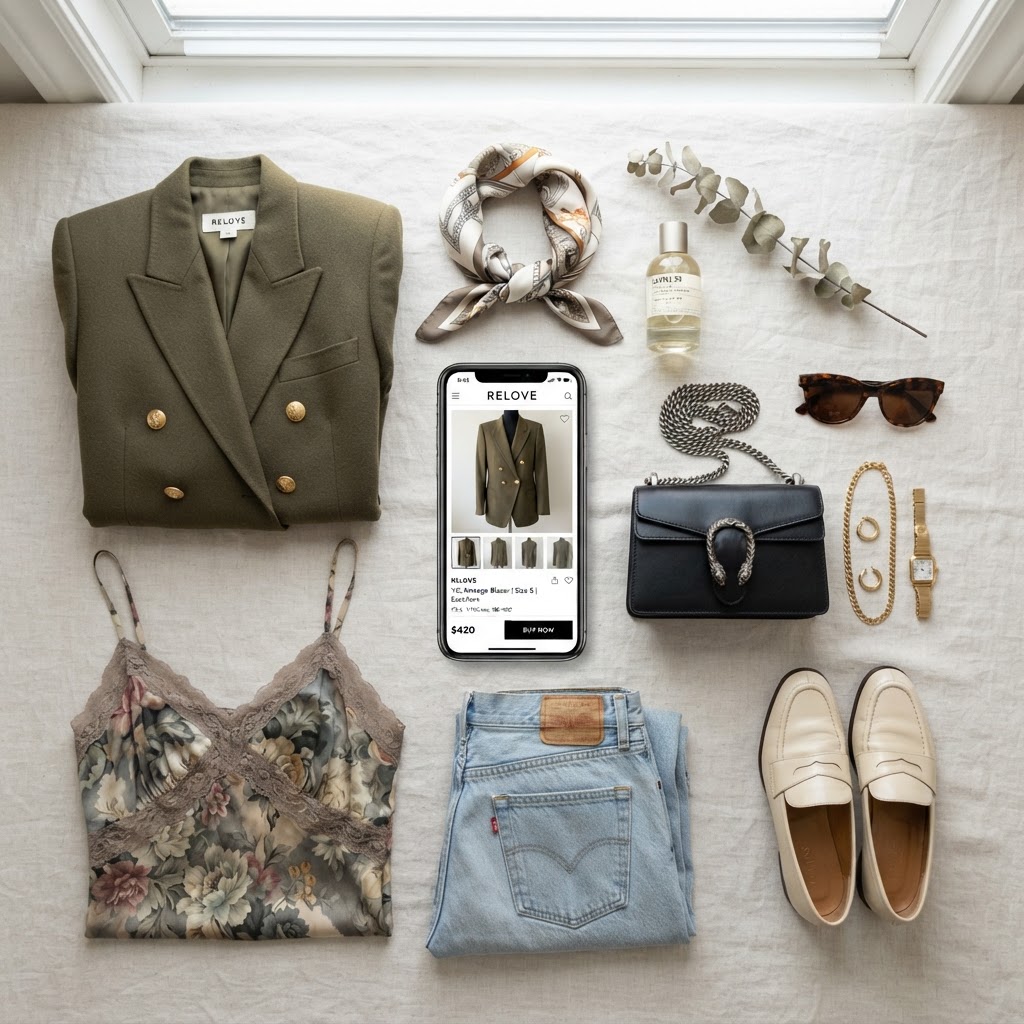
The Rise of Second-Hand Chic: Why Everyone is Obsessed with Poshmark
In the landscape of modern Canadian fashion, a quiet revolution is taking place. If you look closely at the wardrobes of the most stylish people in your social circle, you might notice something different. That perfectly worn-in vintage leather jacket or that sold-out designer piece isn't from a high-end boutique or a fast-fashion mall haul—it’s from Poshmark. As we navigate 2026, the stigma once associated with second-hand shopping has completely evaporated, replaced by a new, sophisticated status symbol: the pre-loved find.
For years, the fashion industry operated on a linear model of 'take, make, waste.' However, Canadian consumers are increasingly rejecting this cycle in favor of circular fashion. With the global circular fashion market projected to reach significant heights by 2034, it is clear that this is not just a fleeting trend, but a fundamental shift in how we define value. Platforms like Poshmark, alongside local Canadian initiatives like Cache, are empowering us to extend the lifecycle of our garments, effectively turning our closets into personal boutiques.
Why the sudden obsession? For many, it is a blend of environmental consciousness and the thrill of the hunt. Millennials and Gen Z, who now represent over half of all fashion spending, are leading the charge. Research indicates that a vast majority of this demographic is willing to change their consumption habits to reduce their environmental footprint. When you buy second-hand, you aren't just saving money; you are actively participating in a movement that reduces textile waste and challenges the environmental impact of mass production.
Beyond sustainability, there is the undeniable allure of personal style. In an era dominated by algorithmic trends and 'Brat Summer' aesthetics, Poshmark offers a curated escape. It allows shoppers to find unique, meaningful items that reflect their individual values rather than just following the latest mass-market craze. Whether you are hunting for a rare vintage treasure or a gently used staple from a brand like Lululemon, the platform provides a space to connect with sellers who share your aesthetic.
If you are new to the world of circular fashion, getting started is easier than you think. First, curate your own closet. Before buying something new, look at what you already own—could it be sold to fund your next purchase? Second, be specific in your searches. Use the platform’s filters to find high-quality materials like wool, silk, or organic cotton that are built to last. Finally, treat it like a community. Engage with sellers, ask questions about garment care, and enjoy the process of giving a piece of clothing a second life.
As we look toward the future, the 'second-hand chic' movement is only set to grow. By choosing to shop pre-loved, we are proving that style does not have to come at the expense of the planet. It is time to embrace the circular economy—not just because it is the responsible choice, but because it is the most stylish one.
Comments (0)
Sign in to leave a comment
No comments yet. Be the first to comment!