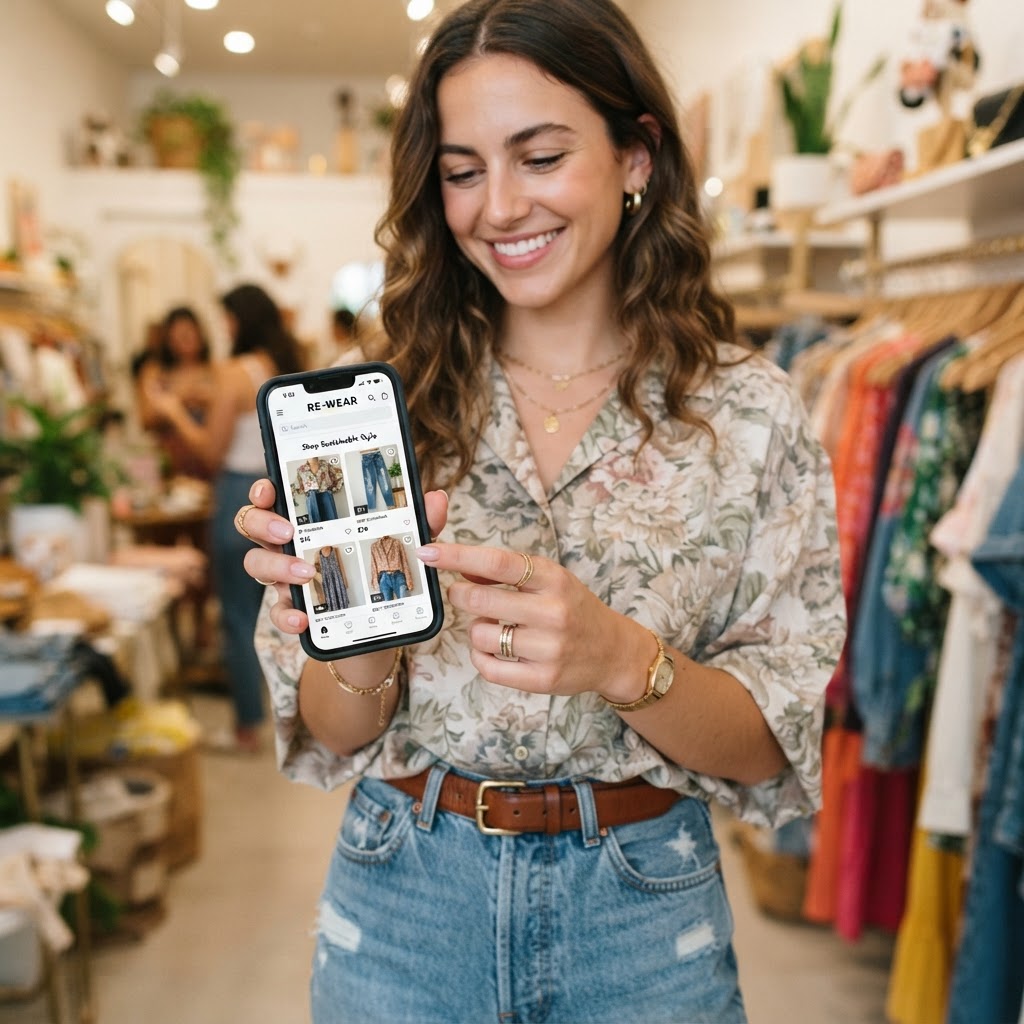
Why Everyone is Obsessed with Second-Hand Shopping Apps Right Now
The Canadian fashion landscape is undergoing a seismic shift. What was once a niche hobby for bargain hunters has transformed into a mainstream retail powerhouse. Whether you are scrolling through Poshmark on your morning commute or hunting for a rare vintage piece at a local boutique, the message is clear: second-hand is the new first choice. As the resale market continues to outpace traditional retail growth, it is time to look at why this "thrift shift" has become an essential part of the modern Canadian lifestyle.
At the heart of this movement is a powerful combination of economic pragmatism and a desire for individuality. Recent data indicates that nearly 60% of Canadians now view thrifting as a standard part of their shopping culture. With the rising cost of living, consumers are increasingly savvy about their spending. Buying pre-owned allows fashion enthusiasts to access high-end labels and unique, vintage-inspired pieces at a fraction of the original retail price. It is no longer just about saving money; it is about maximizing the value of every dollar spent.
Beyond the price tag, the rise of apps like Poshmark has gamified the shopping experience. For many, the thrill of the hunt—finding a specific designer item or a one-of-a-kind vintage T-shirt—is as addictive as social media. This "fashion gambling" aspect, where users can negotiate prices and compete for rare finds, has turned passive shopping into an active, engaging hobby. As one industry expert noted, we are seeing a "resale flywheel" effect: consumers are now buying, reselling, and reinvesting their earnings into their next wardrobe upgrade, effectively treating their closets as liquid assets.
This trend is not limited to budget-conscious shoppers. The luxury resale sector is seeing explosive growth, with some retailers reporting year-over-year increases of 40%. Affluent consumers are now using resale platforms as a strategic tool to access luxury goods while managing their portfolios more carefully. By considering the future resale value of an item before purchasing it new, shoppers are making smarter, more sustainable decisions. This shift is forcing traditional luxury brands to take notice, as the secondary market becomes a critical component of the broader fashion economy.
For those looking to get involved, the barrier to entry has never been lower. Whether you are a seller looking to monetize your closet or a buyer searching for that elusive "it" piece, the key is consistency and engagement. On platforms like Poshmark, keeping an active feed and participating in themed "parties" can significantly increase your visibility. For physical thrifting, building a relationship with local shops like Habitat for Humanity ReStore or high-end consignment boutiques can lead to better access to curated, high-quality inventory.
Ultimately, the obsession with second-hand shopping is a reflection of a more conscious, creative, and community-driven approach to fashion. By choosing to give clothing a second life, Canadians are not only reducing waste and supporting a circular economy but also curating wardrobes that are truly their own. As we look toward the future of retail, one thing is certain: the most stylish people in the room are likely wearing something that has a story to tell.
Comments (0)
Sign in to leave a comment
No comments yet. Be the first to comment!