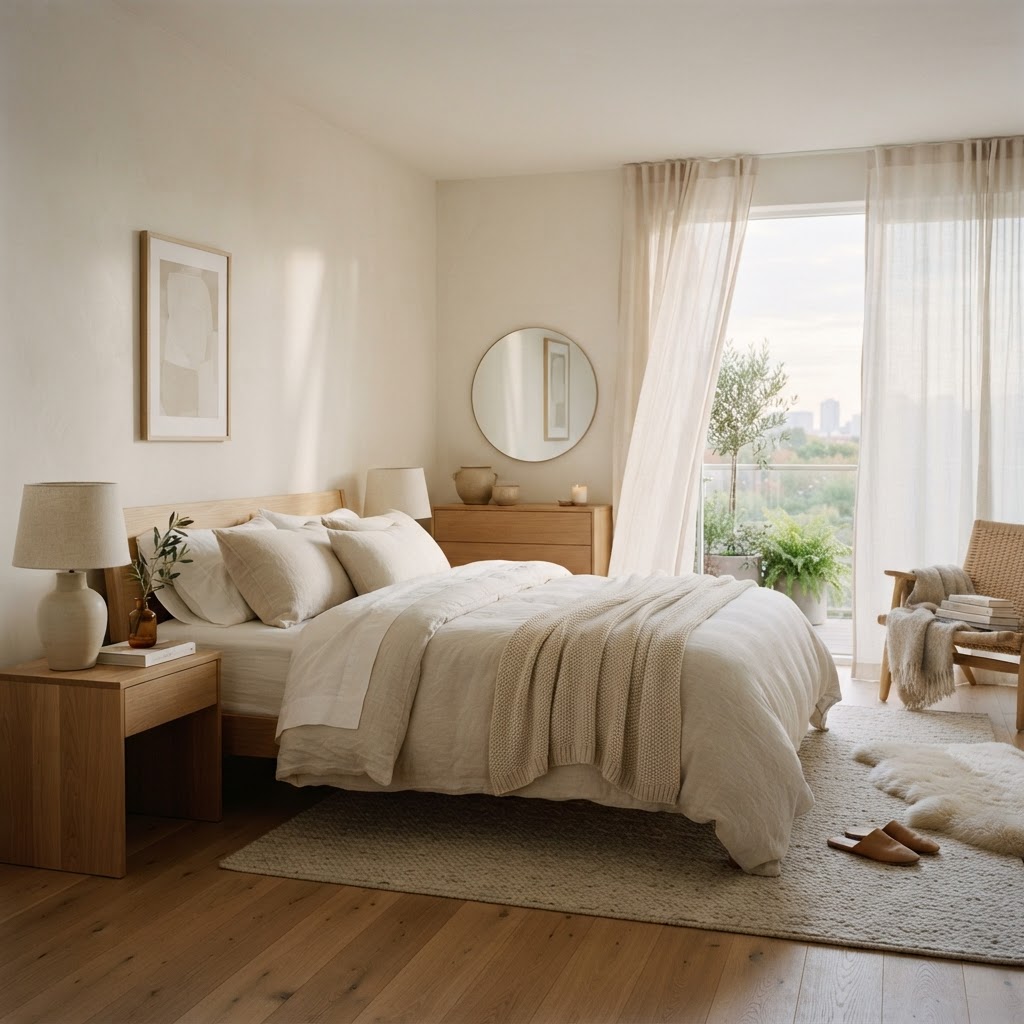
Prioritizing Rest: The Science-Backed Wellness Trends Canadians are Adopting for Better Sleep
For years, the Canadian wellness landscape was dominated by the 'hustle culture' of early morning workouts and back-to-back productivity. But as we move through 2026, a significant cultural shift is taking hold. We are finally acknowledging that sleep is not merely downtime; it is the foundation upon which our physical health, mental clarity, and longevity are built. As sleep neuroscientist Dr. Els van der Helm notes, sleep is now receiving equal billing with diet and exercise as a primary pillar of well-being. For the modern Canadian, the focus has shifted from simply 'getting enough hours' to mastering the art of restorative recovery.
One of the most prominent trends this year is the rise of Circadian Rhythm Living. Rather than viewing sleep as an isolated event that happens at 11:00 PM, Canadians are beginning to align their entire day with their internal biological clocks. This means prioritizing natural light exposure in the morning, maintaining consistent meal timings, and creating a 'no-performance' hour before bed. By syncing our daily habits with our natural rhythms, we support hormonal balance and sustained energy, making it easier to drift off when the time comes.
However, the path to better sleep is not without its pitfalls. The internet has popularized 'sleepmaxxing'—the practice of obsessively optimizing every detail of the sleep environment with supplements, rigid rules, and high-tech gadgets. While tracking metrics via smart rings or wearables can provide valuable insights into heart rate and sleep stages, experts warn that over-optimization can actually increase bedtime anxiety. The most effective approach in 2026 is one of simplicity: focusing on a few consistent, evidence-based habits rather than chasing the latest viral trend.
For those looking to upgrade their sleep hygiene, the 'Dopamine Menu' has become a popular tool to replace late-night doomscrolling. By curating a list of low-stimulation, analog activities—such as reading a physical book, gentle stretching, or practicing mindful breathing—Canadians are successfully signaling to their nervous systems that the day has ended. This transition is crucial. As the saying goes, 'self-care starts when the day ends.' Choosing comfortable, breathable sleepwear and ensuring your bedroom is a cool, dark sanctuary are simple, actionable steps that yield significant long-term benefits.
We are also seeing the growth of 'sleep tourism' across Canada, where travelers are seeking out accommodations that offer circadian lighting, premium bedding, and sleep-coaching services. While a luxury getaway is a treat, the goal is to bring those principles home. You don't need a five-star hotel to create a sleep sanctuary; you simply need to remove the disruptors. This means keeping screens out of the bedroom, managing noise with white noise machines or earplugs, and treating your sleep window as a non-negotiable calendar event.
Ultimately, the 2026 wellness philosophy is about recovery over performance. Whether you are adjusting your evening routine to include a 'no-performance' hour or simply committing to a consistent wake-up time, remember that the best sleep habits are the ones that are repeatable and sustainable. By prioritizing rest, you aren't just sleeping better—you are investing in your long-term health and vitality.
Comments (0)
Sign in to leave a comment
No comments yet. Be the first to comment!